Gut health has become an important topic in discussions about nutrition and preventive healthcare.
Introduction
From bloating and constipation to the role of beneficial gut bacteria, more people are paying attention to how their digestive system responds to everyday food and lifestyle choices.
The digestive system does more than break down food. It helps the body absorb nutrients and interacts with a complex community of microorganisms known as the gut microbiome. These microorganisms play roles in digestion and other biological processes, making them an important area of ongoing scientific research.
The good news is that supporting digestive health does not necessarily require expensive supplements or restrictive diets. Eating a variety of nutritious foods, drinking enough fluids, exercising regularly, and maintaining consistent habits can provide a practical starting point.
What Is Gut Health?
Gut health generally refers to how well the digestive system functions and how it supports the body’s nutritional needs.
The gut microbiome consists of bacteria and other microorganisms that live in the digestive tract. Different people have different microbial communities, influenced by factors such as diet, age, medication use, environment, and health conditions.
A healthy digestive system should be able to process food, absorb nutrients, and eliminate waste effectively. Regular bowel movements are one useful indicator, although what is normal varies from person to person.
Gut health is complex, and no single food, supplement, or test can determine whether someone’s entire digestive system is healthy.
Why Is Gut Health Important?
1. Digestion and Nutrient Absorption
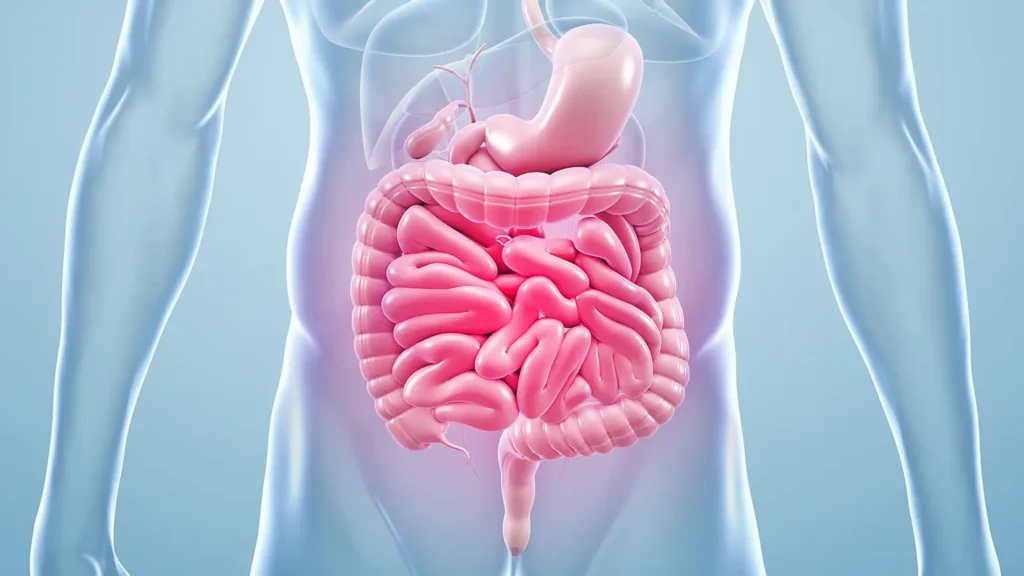
The digestive system breaks down food into components the body can use. The stomach, intestines, liver, pancreas, and other organs work together to support this process.
A balanced diet provides essential nutrients, while adequate fibre and fluids can support regular bowel movements.
Persistent digestive symptoms, however, should not automatically be attributed to an unhealthy microbiome. They may have several causes and sometimes require medical evaluation.
2. The Gut and the Immune System
The gut microbiome interacts with the body’s immune system and helps maintain the environment of the digestive tract.
Research suggests that diet can influence gut microorganisms and certain immune responses. However, scientists are still studying how specific dietary changes translate into long-term health benefits for different individuals.
3. The Gut-Brain Connection
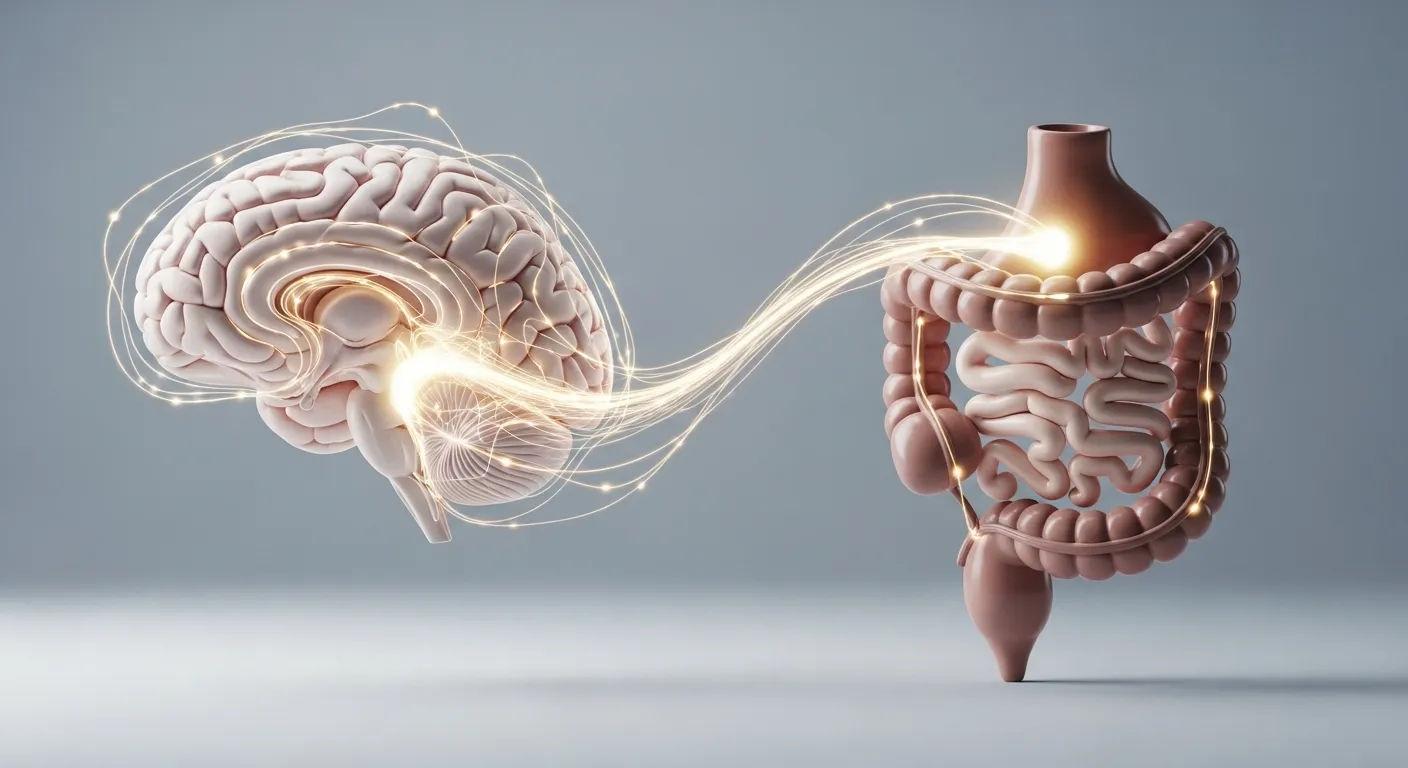
The digestive system and brain communicate through several pathways, including nerves, hormones, and immune signalling.
This connection helps explain why stress can affect digestion and why digestive discomfort may influence mood and everyday comfort. However, the relationship is complex, and claims that a particular food can automatically improve mental health should be treated cautiously.
Best Foods to Support Gut Health
1. Fibre-Rich Foods
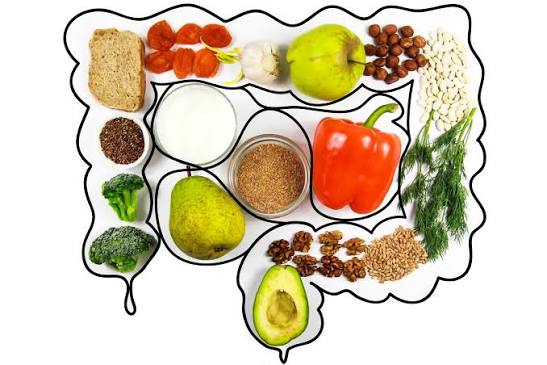
Dietary fibre is an important part of a healthy eating pattern. It is found in vegetables, fruits, whole grains, beans, lentils, nuts, and seeds.
Fibre can help support regular bowel movements, and some types are used by beneficial gut microorganisms.
Examples of fibre-rich foods include:
- Oats and whole-wheat roti
- Apples, pears, and other whole fruits
- Lentils, chickpeas, and rajma
- Carrots, leafy greens, and seasonal vegetables
- Chia seeds and nuts
Increase fibre gradually and drink adequate fluids. A sudden increase may cause gas or bloating, especially in people who are not accustomed to eating much fibre.
2. Fermented Foods
Fermented foods such as plain yoghurt, curd, kefir, and certain traditionally fermented vegetables may provide live microorganisms, depending on how they are made and stored.
A review published in Nature Reviews Microbiology in June 2026 examined how fermented-food microorganisms interact with the oral and gut microbiomes and influence human health. The researchers also noted that evidence varies across foods and that several mechanisms remain incompletely understood.
In an everyday Indian diet, plain curd can be a convenient option if it suits your dietary needs. Fermented foods are not interchangeable, and not every fermented product necessarily contains live microorganisms at the time of consumption.
3. Whole Grains and Pulses
Whole grains and pulses provide fibre and other nutrients that can support a balanced diet.
Options include oats, brown rice, whole-wheat roti, barley, dal, chickpeas, and beans. These foods can be included in familiar meals rather than requiring a completely new eating routine.
For people who experience bloating after eating pulses, soaking beans, cooking them thoroughly, and increasing portions gradually may help improve tolerance.
4. Fruits and Vegetables
Eating a variety of fruits and vegetables provides fibre, vitamins, minerals, and plant compounds.
Try including different colours and types throughout the week rather than depending on one so-called superfood. Seasonal and locally available produce can be nutritious and affordable.
Whole fruit is generally preferable to relying entirely on fruit juice because it retains more of the original fibre.
Daily Habits That Can Improve Digestive Health
Drink Enough Water
Adequate hydration supports normal digestion and helps fibre work effectively in the digestive tract. Fluid needs vary with temperature, activity, diet, and individual health.
People who have been advised to restrict fluids because of a medical condition should follow their healthcare professional’s guidance.
Exercise Regularly
Walking, cycling, swimming, and other forms of physical activity support general health and may help some people maintain regular bowel movements.
You do not need an intense workout routine to begin. Consistent movement that fits your ability and schedule is a useful starting point.
Manage Stress
Stress can affect digestive symptoms in some people. Relaxation techniques, adequate sleep, enjoyable activities, and realistic work schedules may help support overall well-being.
If digestive symptoms worsen during stressful periods, keeping a simple record of symptoms and daily habits may help you identify patterns to discuss with a healthcare professional.
Maintain Consistent Eating Habits
Regular meals can make it easier to maintain a balanced diet. Eat at a comfortable pace, chew food thoroughly, and pay attention to how different meals affect you.
There is no universal meal schedule that suits everyone. The best routine is one that provides adequate nutrition and fits your individual needs.
Foods and Habits to Approach Carefully
There is no single universal gut-health diet. Some people tolerate dairy, legumes, spicy foods, or particular vegetables differently from others.
If a specific food repeatedly causes discomfort, consider noting the food, portion size, and symptoms. Avoid eliminating entire food groups without a clear reason or professional guidance, because unnecessary restrictions can reduce nutritional variety.
Frequent use of laxatives, unnecessary antibiotics, or unverified gut-health supplements can also cause problems. Antibiotics should be used when medically indicated, rather than to alter the gut microbiome without a clinical reason.
When Should You See a Doctor?
Occasional digestive discomfort is common, but persistent or severe symptoms should not be ignored.
Seek medical advice for ongoing constipation or diarrhoea, repeated abdominal pain, unexplained weight loss, or symptoms that interfere with everyday activities. Blood in the stool, black tarry stools, severe abdominal pain, or signs of significant dehydration warrant urgent medical assessment.
A healthcare professional can help identify the cause rather than assuming every symptom is related to gut bacteria.
Conclusion
Gut health is an important part of overall well-being, but it does not require complicated routines or expensive products. A varied diet containing vegetables, fruit, whole grains, pulses, and suitable fermented foods can provide a strong foundation.
Adequate hydration, regular physical activity, good sleep, and attention to persistent digestive symptoms are equally important.
Instead of chasing quick fixes, focus on sustainable habits and a varied diet that works for your body. If symptoms continue, professional assessment is more useful than self-diagnosing a gut microbiome problem.