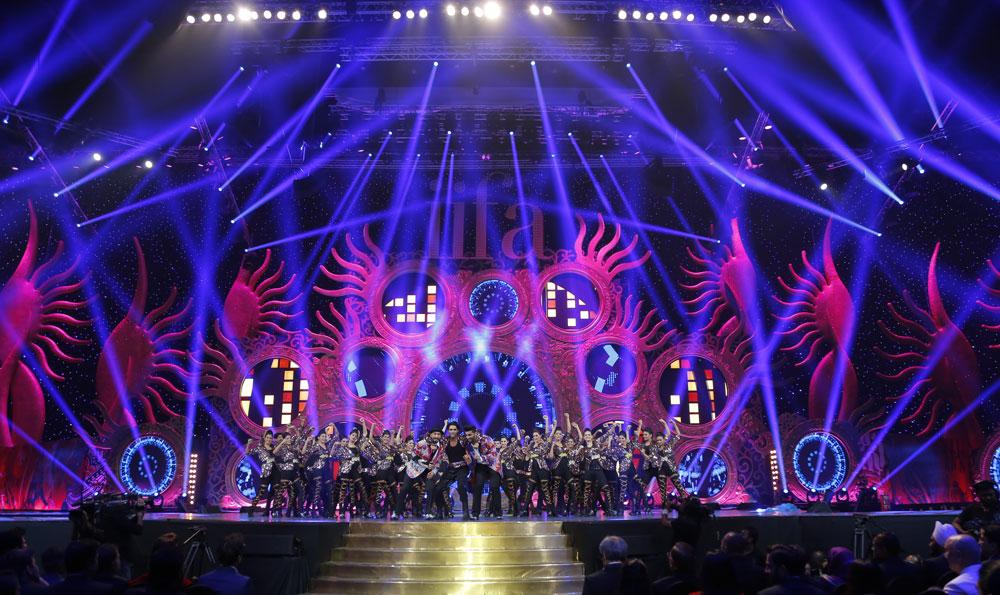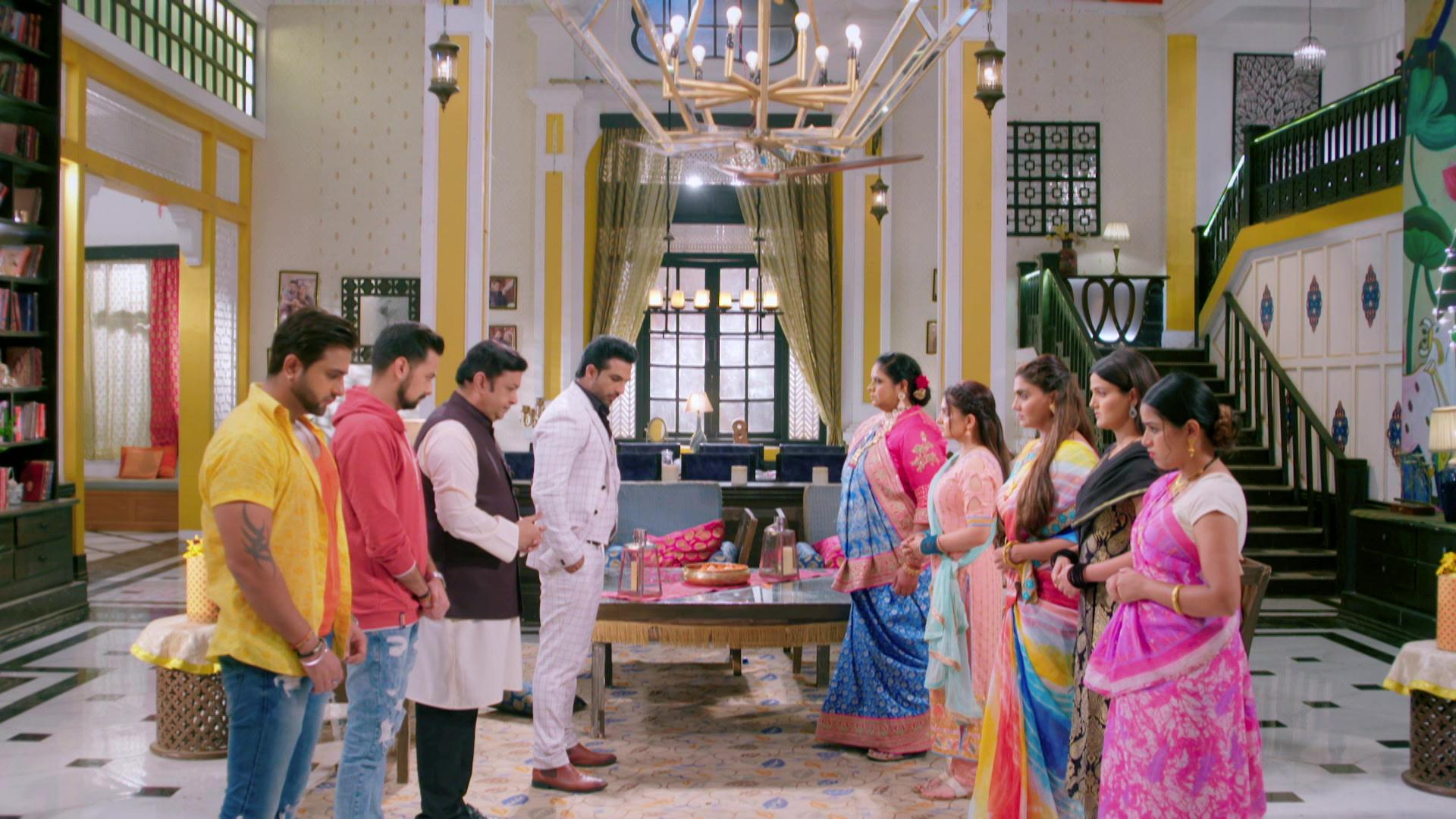
Indian television dramas have been an important part of family entertainment for decades.
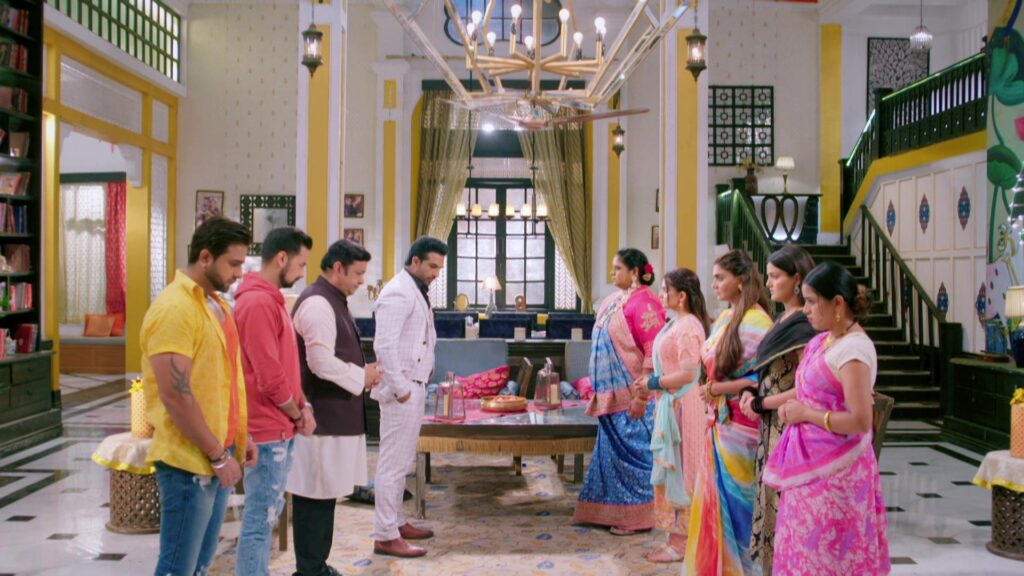
Introduction
Tv Dramas – From emotional family stories and romantic relationships to suspenseful revelations and powerful female protagonists, TV serials continue to create conversations among viewers across the country.
In 2026, Hindi television dramas are balancing familiar storytelling traditions with new characters, modern relationships, and unexpected plot developments. Shows such as Anupamaa, Yeh Rishta Kya Kehlata Hai, and Kyunki Saas Bhi Kabhi Bahu Thi 2 continue to feature in discussions about Indian television, while newer serials are competing for audience attention. Recent entertainment coverage has also highlighted the performance of Zee TV dramas such as Ganga Mai Ki Betiyan and Vasudha.
But what makes television dramas so popular, and how are changing audience expectations influencing the stories viewers see every day?
1. Family Relationships Remain at the Heart of Indian TV Dramas
Family relationships remain one of the most recognisable themes in Indian television.
Many serials explore the relationships between parents and children, husbands and wives, siblings, and extended families. These stories often revolve around misunderstandings, sacrifices, disagreements, and the challenges of maintaining relationships.
Viewers may connect with these narratives because family relationships are familiar and emotionally meaningful. A storyline about trust, responsibility, or generational differences can resonate with people from different backgrounds.
However, modern audiences are also increasingly interested in realistic characters and believable conflicts rather than endless misunderstandings.
2. Strong Female Characters Are Changing Television Storytelling
One of the most significant themes in Indian television is the portrayal of women who face personal, professional, and social challenges.
Many contemporary dramas feature female protagonists who navigate difficult marriages, financial responsibilities, family expectations, and the pursuit of independence.
These characters can inspire conversations about self-respect, ambition, resilience, and personal growth.
For a drama to make a lasting impression, its female protagonist needs more than strength alone. Her decisions, mistakes, relationships, and development should feel believable to the audience.
3. Romance and Emotional Twists Continue to Attract Viewers
Romantic storytelling remains a major part of Indian television entertainment.
Love stories often explore relationships across social backgrounds, family disagreements, misunderstandings, and the struggle to balance personal feelings with responsibilities.
Writers use emotional turning points to maintain interest, such as unexpected reunions, hidden truths, and difficult decisions.
The challenge is to keep these twists meaningful. When every episode relies on a new misunderstanding, viewers may lose interest. Well-developed characters and genuine emotional growth can make a romantic serial more memorable.
4. The Role of TRP Ratings in Television Success
Television rating points, commonly called TRPs, help the industry understand audience viewing patterns. Broadcasters and advertisers use audience measurement to assess programme performance and make scheduling and commercial decisions.
Recent 2026 entertainment reports have highlighted competition among Hindi general entertainment channels, with Zee TV dramas performing strongly in some reported rating periods.
However, ratings need to be interpreted carefully. They reflect particular measurement periods and audiences, not the personal preferences of every viewer. Online popularity, social media discussions, and television ratings can also tell different stories.
Note: India’s television audience measurement system has been undergoing changes, so current weekly rankings should be checked against reliable, dated reports rather than treated as permanently fixed. The Economic Times
5. How OTT Platforms Are Changing the Way People Watch TV Dramas
Streaming platforms and official digital catch-up services have made it easier for viewers to watch episodes outside traditional television schedules.
This flexibility benefits people who work late, study, travel, or prefer watching several episodes together.
Digital viewing also allows audiences to discover older serials and explore dramas from different Indian languages. Subtitles and dubbed versions make some programmes accessible to viewers who would not otherwise watch them.
For television producers, this creates new opportunities to reach audiences beyond traditional broadcast schedules. It also means that shows must compete for attention with films, web series, short videos, and other online entertainment.
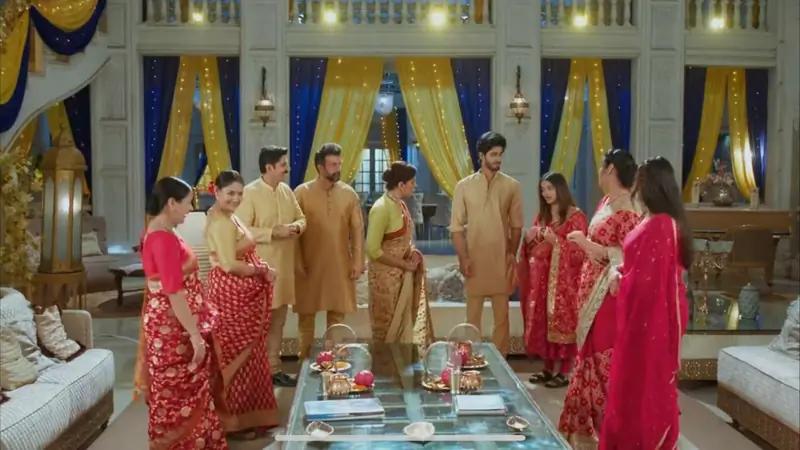
6. What Do Viewers Want From Indian TV Serials in 2026?
Audience preferences vary, but several qualities can help a television drama remain engaging.
- Relatable characters: People want characters whose choices and emotions feel authentic.
- Fresh storylines: New conflicts and unexpected developments can keep a series interesting.
- Balanced pacing: Important scenes need time to develop without unnecessary repetition.
- Meaningful representation: Stories can explore different backgrounds, careers, generations, and family structures.
- Strong performances: Convincing acting helps viewers connect emotionally with the story.
- Consistent writing: Continuity and character development can build long-term audience loyalty.
Television dramas that combine familiar emotional themes with fresh storytelling may be better positioned to maintain viewer interest.
Conclusion
Indian television dramas continue to evolve while retaining the emotional storytelling that has made them popular for generations. Family relationships, romance, personal struggles, and unexpected revelations remain familiar ingredients, but audiences also want stronger characters, fresh ideas, and more believable stories.
As traditional broadcasting and digital streaming continue to intersect, the future of Indian TV drama will depend on how well creators adapt to changing viewing habits without losing the emotional connection that makes a story memorable.