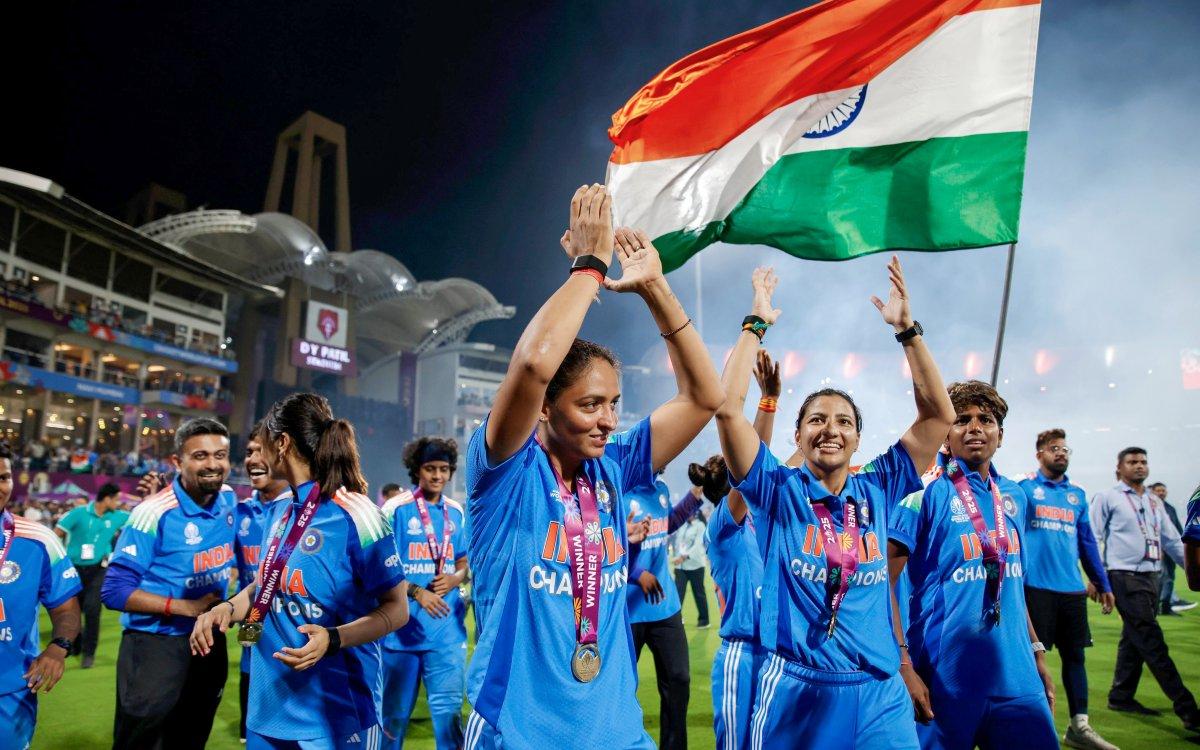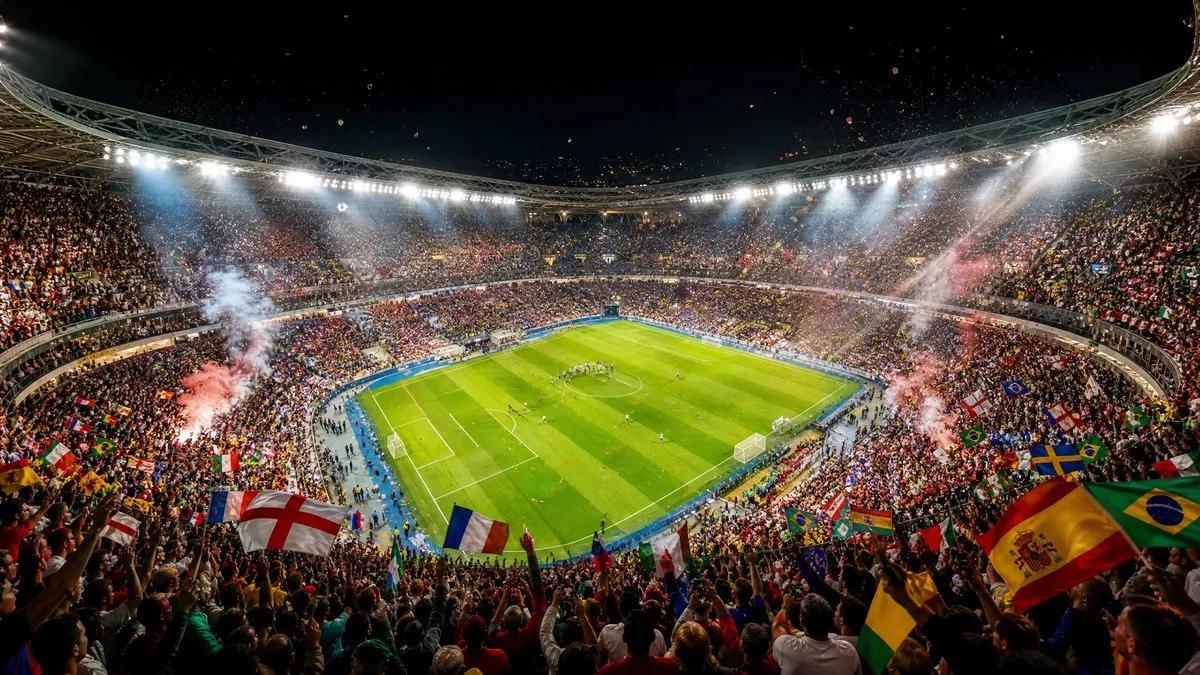
For millions of sports enthusiasts, watching a match on television is no longer enough.
Introduction
They want to experience the excitement of live competitions, support their favourite teams inside packed stadiums, and explore destinations associated with major sporting events.
This growing interest has contributed to the popularity of sports tourism, a travel trend that combines sporting experiences with sightseeing, entertainment, and cultural exploration.
From international football championships and cricket tournaments to Formula One races and global marathons, sporting events are becoming major attractions for travellers around the world.
What Is Sports Tourism?
Sports tourism refers to travelling primarily to participate in, watch, or experience sporting activities.
It generally includes three major categories:
1. Event-Based Sports Tourism
Travelling to watch major competitions such as the FIFA World Cup, Olympic Games, international cricket tournaments, and Formula One races.
2. Active Sports Tourism
Travelling to participate in activities such as trekking, cycling, skiing, surfing, marathons, and adventure sports.
3. Nostalgia-Based Sports Tourism
Visiting famous stadiums, sports museums, training facilities, and historical sporting locations associated with legendary athletes and teams.
Why Are Sporting Events Becoming Major Travel Attractions?
1. The Excitement of Live Competition
Watching a major sporting event in person creates an atmosphere that television cannot completely reproduce. The crowd, celebrations, team spirit, and unexpected match moments make the experience memorable.
2. Opportunities to Explore New Destinations
Sports tourism allows travellers to combine their passion for sports with holidays. Visitors attending a tournament may also explore local attractions, restaurants, museums, and cultural landmarks.
3. Strong Fan Communities
Sporting events bring together supporters from different countries and backgrounds. Fans can connect through shared interests, team loyalty, and memorable sporting experiences.
4. Social Media Influence
Travel content featuring famous stadiums, sporting events, and fan celebrations encourages people to explore destinations associated with their favourite sports.

How Sports Tourism Benefits Local Economies
Sports tourism can create significant opportunities for cities and local businesses.
- Hotels and Accommodation: Large tournaments increase demand for hotel rooms and other accommodation.
- Restaurants and Hospitality: Visitors spend money on food, beverages, and local dining experiences.
- Transportation: Airports, taxis, public transport, and other travel services benefit from increased visitor activity.
- Local Businesses: Souvenir shops, tour operators, and entertainment businesses can attract more customers.
- Employment Opportunities: Major sporting events can generate temporary and long-term employment across several industries.
India and the Growing Sports Tourism Opportunity
India has considerable potential to develop sports tourism because of its strong sporting culture and geographical diversity.
Cricket tournaments, especially the Indian Premier League, attract large audiences and encourage fans to travel between cities.
Beyond cricket, India offers opportunities for adventure-based sports tourism through trekking, cycling, mountain climbing, river rafting, and marathon events.
Destinations such as Ladakh, Manali, Rishikesh, and Goa attract visitors interested in combining travel with outdoor sporting activities.
Developing better sports infrastructure, transport facilities, accommodation, and event management can further strengthen India’s position in this growing sector.
Challenges Facing Sports Tourism
Despite its economic potential, sports tourism also comes with several challenges.
High Travel Costs: International sporting events can increase accommodation and transportation expenses.
Infrastructure Pressure: Large crowds can put pressure on public transport, hotels, and city infrastructure.
Environmental Impact: Major events and increased travel can contribute to waste generation and carbon emissions.
Ticket Availability: High demand can make it difficult for ordinary fans to secure affordable tickets.
Organizers and local authorities need to address these challenges to create sustainable sporting experiences.
The Future of Sports Tourism
The future of sports tourism is expected to become increasingly connected with digital technology and personalized travel experiences.
Online ticketing, mobile travel applications, virtual stadium tours, cashless payments, and digital fan communities are changing how people plan and experience sporting trips.
Destinations are also exploring ways to attract visitors through sporting festivals, adventure competitions, and international tournaments.
Conclusion
Sports tourism is transforming the relationship between travel and entertainment. People are increasingly willing to explore new destinations to support their favourite teams, participate in sporting activities, and become part of unforgettable sporting moments.
As international competitions continue to attract global audiences, sports tourism can create valuable opportunities for tourism industries, local businesses, and sporting communities.