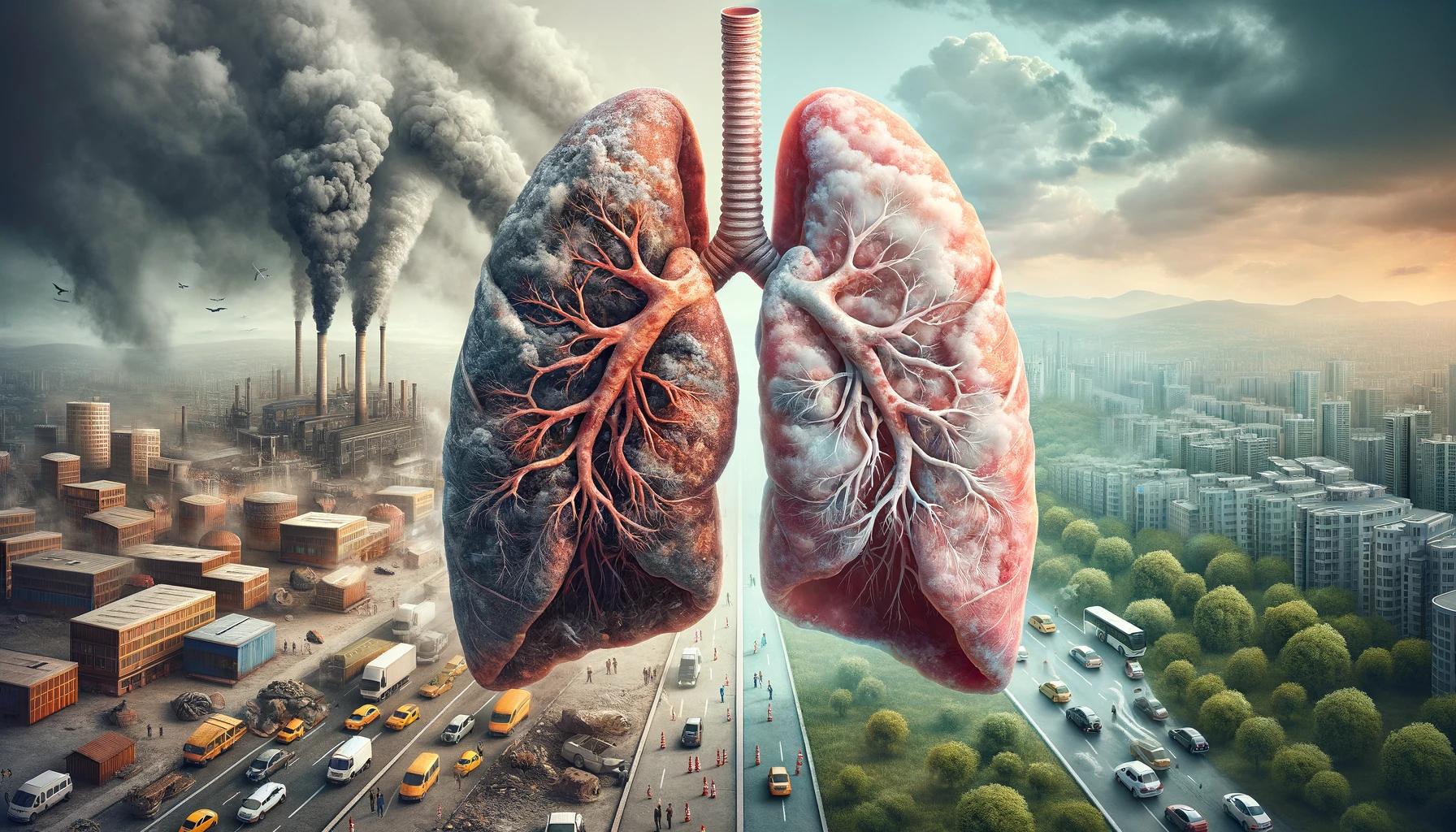
Air pollution has become one of the most serious environmental and public health challenges worldwide.
Introduction
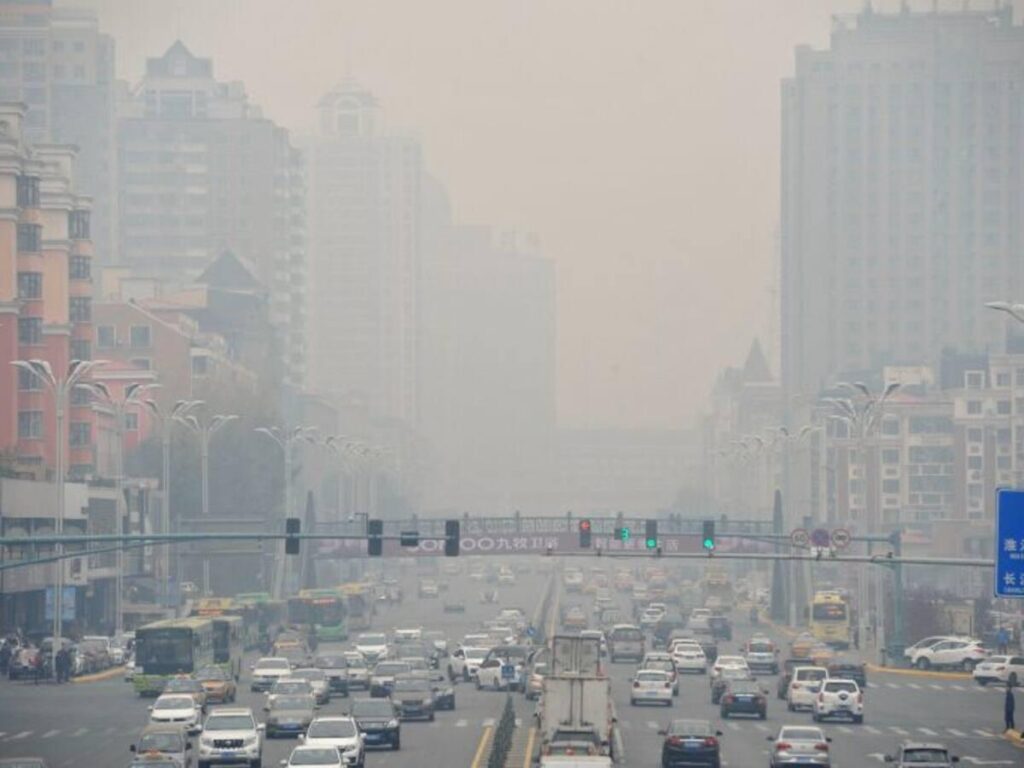
From busy city roads and industrial areas to construction sites and household cooking environments, polluted air can affect people in many different ways.
What makes air pollution particularly concerning is that its effects are not always immediately noticeable. People may breathe polluted air every day without experiencing obvious symptoms initially. However, long-term exposure to certain pollutants can increase the risk of respiratory diseases, cardiovascular problems, and other health complications.
As urban populations grow and transportation and industrial activities increase, understanding air pollution and its impact on human health has become more important than ever.
What Is Air Pollution?
Air pollution occurs when harmful substances such as gases, chemicals, smoke, and microscopic particles enter the atmosphere in concentrations that can affect human health and the environment.
Some of the most common air pollutants include:
- PM2.5: Fine particles that can travel deep into the lungs and enter the bloodstream.
- PM10: Larger inhalable particles that can affect the respiratory system.
- Nitrogen Dioxide (NO2): A gas commonly produced by vehicles and industrial activities.
- Sulphur Dioxide (SO2): A pollutant associated with burning fossil fuels.
- Ground-Level Ozone: A harmful pollutant formed through chemical reactions involving sunlight and other pollutants.
- Carbon Monoxide (CO): A poisonous gas produced by incomplete combustion.
5 Ways Air Pollution Can Affect Your Health
1. Respiratory Problems
Air pollution can irritate the respiratory tract and make breathing uncomfortable. Exposure to polluted air can worsen asthma, bronchitis, and other existing respiratory conditions.
2. Increased Risk of Heart Disease
Fine particulate matter can contribute to inflammation and other changes that affect cardiovascular health. Long-term exposure is associated with an increased risk of heart attacks and strokes.
3. Reduced Lung Function
Repeated exposure to harmful pollutants can affect lung development in children and contribute to declining lung function over time.
4. Eye and Skin Irritation
Pollutants and airborne irritants can cause eye discomfort, dryness, and irritation. Some environmental pollutants can also aggravate existing skin conditions.
5. Effects on Children’s Health
Children are particularly vulnerable because their lungs and immune systems are still developing. Exposure to polluted air can affect respiratory health and increase the risk of childhood asthma.
Who Is Most Vulnerable to Air Pollution?
Although polluted air can affect everyone, some groups face greater health risks:
- Children and infants.
- Older adults.
- Pregnant women.
- People with asthma or chronic respiratory conditions.
- Individuals with existing cardiovascular diseases.
- Outdoor workers exposed to traffic and industrial pollution.
7 Practical Ways to Protect Yourself From Air Pollution
1. Check the Air Quality Index (AQI)
Check local air quality reports before planning outdoor activities. Avoid strenuous outdoor exercise when pollution levels are high.
2. Wear a Well-Fitting N95 Mask When Needed
A properly fitted N95 respirator can reduce exposure to fine airborne particles when outdoor pollution is elevated. Ordinary cloth masks generally provide less protection against PM2.5.
3. Improve Indoor Air Quality
Keep indoor spaces clean, reduce smoke-producing activities, and consider an appropriately sized air purifier with a HEPA filter.
4. Avoid Heavy Outdoor Exercise During High Pollution
Choose indoor workouts when air quality is poor, especially if you have an existing respiratory condition.
5. Keep Your Home Properly Ventilated
Ventilation helps remove indoor pollutants, but during periods of heavy outdoor pollution, keep windows closed when outdoor air quality is worse.
6. Avoid Smoking and Indoor Smoke Exposure
Tobacco smoke, incense smoke, and emissions from certain cooking fuels can contribute to indoor air pollution.
7. Support Environmentally Friendly Practices
Using public transportation, reducing unnecessary vehicle use, conserving energy, and supporting cleaner industrial practices can contribute to better air quality.
Understanding the Air Quality Index (AQI)
The Air Quality Index provides information about the level of air pollution and its potential health effects.
In India, the Central Pollution Control Board (CPCB) uses the following AQI categories:
| AQI range | Air quality |
|---|---|
| 0–50 | Good |
| 51–100 | Satisfactory |
| 101–200 | Moderate |
| 201–300 | Poor |
| 301–400 | Very Poor |
| 401–500 | Severe |
When AQI levels increase, sensitive individuals should take additional precautions and reduce prolonged outdoor exposure.
Why Air Pollution Prevention Requires Collective Action
Individual precautions are important, but protecting public health requires larger environmental changes.
Governments, industries, and communities can work together by promoting cleaner transportation, improving waste management, controlling industrial emissions, expanding green spaces, and investing in renewable energy.
Public awareness and environmental education are equally important for encouraging responsible everyday practices.
Conclusion
Air pollution is not simply an environmental concern; it is a serious public health issue that can affect the lungs, heart, and overall quality of life.
Although individuals cannot control every source of pollution, they can take practical steps to reduce exposure and protect their health.
Monitoring air quality, improving indoor environments, and supporting cleaner practices can make a meaningful difference.
Clean air is not a luxury. It is a basic requirement for a healthier future.