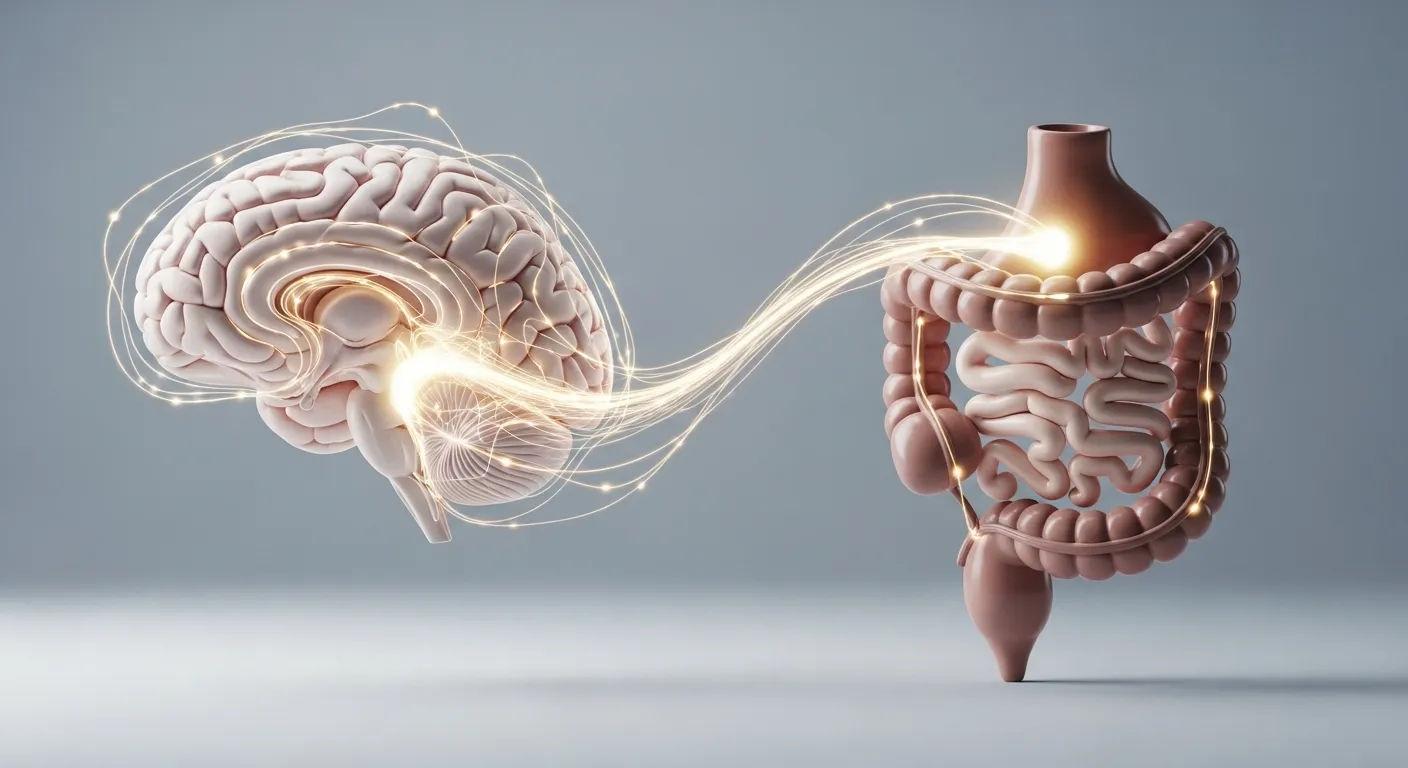
Have you ever noticed that stress makes your stomach uncomfortable, or that digestive problems seem to affect your mood?
Introduction
These experiences are not necessarily coincidental. The digestive system and the brain communicate continuously through a network known as the gut-brain axis.
Scientists are increasingly studying how gut bacteria, digestive processes, immune signals, and the nervous system interact. Research published in Nature Mental Health in 2025 reviewed the relationship between the gut microbiome and mental health conditions, highlighting possible connections with anxiety, depression, and other psychiatric disorders. However, researchers emphasised that many relationships remain associative, and it is often difficult to determine whether gut changes contribute to mental health symptoms or occur alongside them.
This emerging field offers an interesting perspective on health: looking after your digestive system may support overall well-being, even though gut health alone cannot explain or treat every mental health concern.
What Is the Gut-Brain Axis?
The gut-brain axis is the two-way communication network connecting the gastrointestinal tract with the central nervous system.
It involves several interconnected systems:
- The nervous system: The vagus nerve and other neural pathways carry signals between the digestive system and the brain.
- The gut microbiome: Trillions of microorganisms live in the digestive tract and help process components of food.
- The immune system: Immune signals can influence both intestinal function and brain activity.
- Hormonal and chemical signals: Substances produced by the body and gut microbes can participate in communication between these systems.
Because communication occurs in both directions, emotional stress can influence digestion, while signals originating in the gut may also affect brain function. The exact mechanisms and their importance in individual people are still being investigated.
Five Ways Gut Health and Brain Function May Be Connected

1. Stress Can Affect Digestion
When you experience stress, your body activates systems that prepare you to respond to a challenge. These changes can influence digestive movement, intestinal sensitivity, and how the gut feels.
Some people experience abdominal discomfort, nausea, diarrhoea, or constipation during stressful periods. Others notice changes in appetite.
These symptoms are real, but they do not necessarily indicate that a person has an unhealthy microbiome. Stress, digestive conditions, medications, and other factors may all contribute.
2. Gut Bacteria Produce Compounds That May Influence the Body
Gut microorganisms help break down dietary components, including certain types of fibre. This process can produce short-chain fatty acids and other metabolites that interact with intestinal cells, immune pathways, and other bodily systems.
Researchers are investigating whether these microbial products influence brain processes involved in mood, stress responses, and cognition.
However, findings from laboratory and animal studies cannot automatically be applied to humans. The effects may depend on the microbial species involved, the person’s diet, and their broader health.
3. Gut Health May Be Relevant to Mood
Studies have reported differences in gut microbiome composition between some people with depression or anxiety and people without these conditions.
A review published in 2025 noted that the direction of causation remains unresolved. Diet, medications, physical activity, sleep, stress, and existing health conditions can all influence the gut microbiome and mental health.
This means that gut health is a promising area of research, not a standalone explanation for depression or anxiety.
4. The Gut-Brain Connection Is Being Studied in Relation to Memory
Researchers are also examining how gut microorganisms communicate with pathways involved in learning and memory.
In April 2026, the US National Institutes of Health reported findings from a study in aging mice in which changes to gut bacteria disrupted communication between the gut and brain and were associated with poorer performance on memory tasks.
This is an interesting development, but the findings are from animal research. More evidence is needed before drawing conclusions about memory loss or cognitive decline in humans.
5. Digestive Symptoms and Emotional Well-Being Can Reinforce Each Other
Persistent digestive discomfort can make daily activities stressful, affect appetite, and reduce quality of life. Similarly, ongoing anxiety or stress may worsen symptoms in people with certain digestive disorders.
This interaction is one reason that managing digestive symptoms sometimes involves more than dietary changes alone. Depending on the condition, appropriate care may include medical treatment, nutrition support, stress-management strategies, and psychological therapy.
Seven Natural Ways to Support Your Gut Health
You do not need expensive supplements or complicated wellness routines to begin improving your digestive habits.
1. Eat More Fibre-Rich Foods
Dietary fibre supports bowel regularity and provides nourishment for certain beneficial gut microorganisms.
Good options include:
- Oats and whole grains.
- Lentils, chickpeas, rajma, and other pulses.
- Seasonal fruits such as apples, guavas, and pears.
- Vegetables, including carrots, beans, and leafy greens.
- Nuts and seeds.
Increase fibre gradually, especially if you are not used to eating much of it, and drink enough fluids.
2. Include Fermented Foods if They Suit You
Foods such as plain yoghurt and curd contain live microorganisms when appropriately prepared and stored. Some fermented foods may contribute to a varied diet, although their effects differ depending on the product and the microorganisms present.
Fermented foods are not guaranteed treatments for digestive disorders or mental health conditions.
3. Eat a Variety of Plant Foods
Different plant foods contain different fibres and naturally occurring compounds. Eating a variety of vegetables, fruits, legumes, nuts, and whole grains can help support dietary diversity.
You do not need to follow an expensive diet or purchase special ingredients to achieve this.
4. Stay Physically Active
Regular walking, cycling, dancing, or other enjoyable activities support general health and may help with bowel regularity.
Choose activities that suit your fitness level and build consistency rather than aiming for an unrealistic exercise target.
5. Manage Stress in Practical Ways
Consider simple techniques such as:
- Taking a short walk outdoors.
- Practising slow, comfortable breathing.
- Talking to someone you trust.
- Breaking demanding tasks into manageable steps.
- Making time for hobbies and relaxation.
These strategies can support emotional well-being, although they do not replace professional treatment when needed.
6. Avoid Unnecessary Antibiotics and Supplements
Antibiotics can affect gut bacteria, but they are important medicines when appropriately prescribed. Never avoid a necessary antibiotic or stop a prescribed course without medical advice.
Similarly, probiotics are not universally beneficial for every condition. Their effects depend on the specific strain, dose, and health concern. Ask a qualified healthcare professional before using supplements to manage persistent symptoms.
7. Pay Attention to Persistent Symptoms
Ongoing abdominal pain, blood in the stool, unexplained weight loss, persistent diarrhoea, or significant changes in bowel habits deserve medical assessment. Do not assume these symptoms are simply caused by stress or an imbalance in gut bacteria.
A Simple Indian Diet Pattern to Support Digestive Health
| Meal | Example |
|---|---|
| Breakfast | Vegetable poha, oats, or dal chilla |
| Mid-morning | Seasonal fruit |
| Lunch | Roti or rice, dal, cooked vegetables, and curd if tolerated |
| Evening snack | Roasted chana or a small handful of nuts |
| Dinner | Vegetable khichdi, dal with roti, or another balanced homemade meal |
This is a general example rather than a prescribed diet. Adjust it according to your nutritional needs, food tolerance, preferences, and medical conditions.
Should Everyone Take Probiotic Supplements?
No. Probiotics are live microorganisms that may provide benefits in specific circumstances, but different products contain different strains and have different levels of supporting evidence.
A 2026 review of randomised controlled trials examining lifestyle and psychobiotic interventions for stress found varied microbiome responses across studies. The researchers concluded that more standardised, longer-term studies are needed to establish which interventions work, for whom, and through which mechanisms.
For most people, starting with a balanced diet, adequate fibre, physical activity, and appropriate medical care is more sensible than buying multiple supplements.
Conclusion
The gut-brain axis is an exciting area of modern health research that highlights the close relationship between digestion, the nervous system, immune activity, and the gut microbiome.
Although scientists are still working to understand the precise mechanisms, you can take practical steps to support your digestive health by eating a varied diet, including fibre-rich foods, exercising regularly, and managing stress.
Remember that gut health is one part of overall well-being. Persistent digestive problems or mental health symptoms deserve appropriate professional care rather than self-diagnosis.