Vitamin D is an essential nutrient that plays a major role in maintaining strong bones, supporting muscle function, and regulating the immune system.

Introduction
Despite its importance, vitamin D deficiency is a widespread health concern across many parts of the world, including India.
One surprising aspect of this deficiency is that even people living in countries with abundant sunshine can have low vitamin D levels.
Indoor working environments, limited outdoor activities, dietary habits, and other lifestyle factors can contribute to inadequate vitamin D levels.
Understanding the importance of this nutrient and recognizing potential deficiency symptoms can help people make better decisions about their health.
Why Is Vitamin D Important for the Human Body?
Vitamin D helps the body absorb calcium and phosphorus, two minerals essential for maintaining healthy bones and teeth.
Its major functions include:
1. Supports Bone Strength
Vitamin D helps regulate calcium absorption, reducing the risk of bone-related problems caused by severe deficiency.
2. Maintains Muscle Function
Adequate vitamin D levels support normal muscle function. Severe deficiency can contribute to muscle weakness.
3. Supports Immune Function
Vitamin D plays a role in regulating immune responses and supporting normal immune system activity.
4. Helps Maintain Overall Health
Vitamin D participates in several biological processes, making it an important nutrient throughout different stages of life.
Common Symptoms of Vitamin D Deficiency
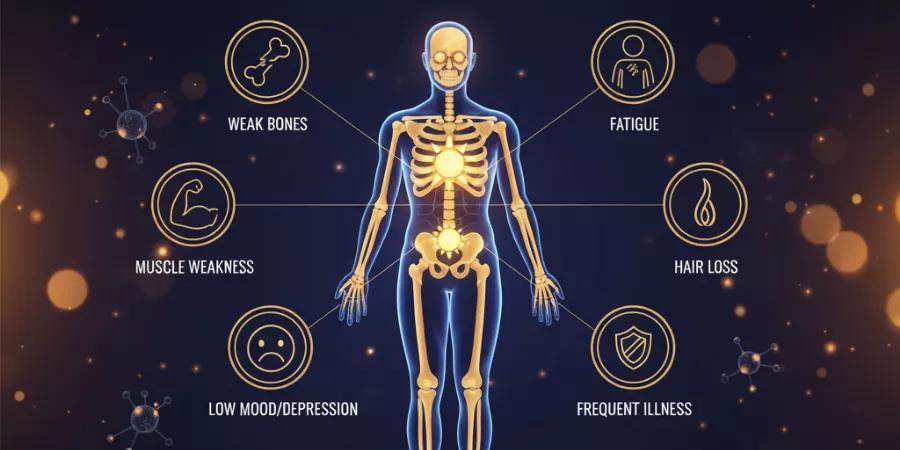
Vitamin D deficiency may not produce noticeable symptoms initially. When symptoms occur, they can include:
- Persistent bone discomfort.
- Muscle weakness.
- Muscle aches.
- Tiredness or fatigue.
- Bone pain in more severe cases.
- Increased risk of bone fractures over time.
These symptoms are not specific to vitamin D deficiency and can occur for many other reasons. A blood test is needed to assess vitamin D status.
Why Are More People Experiencing Vitamin D Deficiency?
1. Spending Too Much Time Indoors
Modern work environments often involve sitting inside offices, homes, and commercial buildings for long periods. This can reduce exposure to sunlight.
2. Limited Sun Exposure
People who spend very little time outdoors or regularly cover most exposed skin may produce less vitamin D through sunlight.
3. Poor Dietary Intake
Only a limited number of foods naturally contain significant amounts of vitamin D. People with restricted diets may find it difficult to obtain enough through food alone.
4. Certain Medical Conditions
Some digestive conditions can affect the absorption of vitamin D. Certain kidney and liver disorders can also interfere with vitamin D metabolism.
5. Age-Related Changes
The skin becomes less efficient at producing vitamin D with increasing age, making older adults more vulnerable to deficiency.
7 Food Sources That Can Help Maintain Vitamin D Levels
A balanced diet can help improve vitamin D intake.
- Fatty Fish: Salmon, sardines, and other oily fish are useful natural sources.
- Egg Yolks: Provide small amounts of vitamin D.
- Fortified Milk: Some milk products contain added vitamin D.
- Fortified Cereals: Certain breakfast cereals are enriched with vitamin D.
- Mushrooms: Some varieties contain vitamin D, particularly when exposed to ultraviolet light.
- Fortified Plant-Based Milk: Certain soy, almond, and oat milk products contain added vitamin D.
- Fish Liver Oil: A concentrated source of vitamin D, although supplementation should be discussed with a healthcare professional.
Can Sunlight Help Prevent Vitamin D Deficiency?
The body naturally produces vitamin D when the skin is exposed to ultraviolet B (UVB) radiation from sunlight.
However, the amount produced varies depending on several factors:
- Skin pigmentation.
- Geographical location and season.
- Time of day.
- Age.
- Clothing and sunscreen use.
- Air pollution and other environmental conditions.
There is no single sunlight exposure duration that is suitable for everyone. Sun exposure should also be balanced with skin cancer prevention, avoiding sunburn and excessive UV exposure.
How Is Vitamin D Deficiency Diagnosed?
Healthcare professionals generally use a blood test called the 25-hydroxyvitamin D test to assess vitamin D status.
Depending on the result and individual circumstances, a doctor may recommend dietary changes, supplements, or further investigation.
High-dose vitamin D supplements should never be taken without medical guidance because excessive intake can cause toxicity, including dangerously high calcium levels.
Conclusion
Vitamin D is essential for maintaining healthy bones, supporting muscle function, and regulating several important processes in the body.
Although sunlight and food can contribute to vitamin D intake, some individuals may still develop deficiency because of lifestyle factors or underlying medical conditions.
Paying attention to nutrition, maintaining an active lifestyle, and seeking appropriate medical testing when needed can help protect long-term health.