Imagine travelling through a remote mountain region, exploring a forest, or driving across a highway where your smartphone suddenly loses its mobile network connection.
Introduction
Satellite-to-Smartphone Technology: Is Traditional Mobile Network Connectivity About to Change? Traditionally, this would mean losing access to calls, messages, and internet services until you reached an area with cellular coverage.
But what if your smartphone could connect directly to a satellite instead of depending entirely on nearby mobile towers?
This is becoming possible through an emerging innovation called Direct-to-Device (D2D) satellite connectivity. The technology is attracting attention from telecommunications companies, satellite operators, and smartphone manufacturers because it could significantly expand mobile network coverage.
According to the International Telecommunication Union (ITU), direct-to-device satellite networks could help extend connectivity to areas that traditional mobile infrastructure cannot easily reach. ITU+1
What Is Satellite-to-Smartphone Technology?
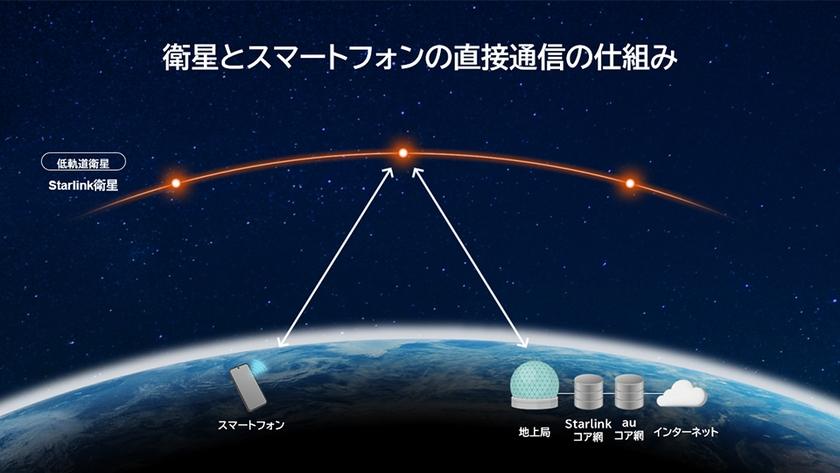
Satellite-to-smartphone technology allows compatible mobile devices to communicate directly with satellites orbiting Earth.
Traditional mobile networks depend on cellular towers to transmit signals between smartphones and communication infrastructure. However, satellite connectivity creates another communication pathway by using satellites positioned in space.
These satellites can act like mobile network towers in the sky, helping users maintain connectivity in locations where conventional network coverage is unavailable.
Depending on the technology, device compatibility, and service availability, this connectivity can support:
- Emergency messaging and SOS communication.
- Text messages in remote locations.
- Location sharing and navigation support.
- Voice communication.
- Potentially, broader internet connectivity as the technology develops.
How Does Direct-to-Device Connectivity Work?
The technology involves several important components:
1. Low Earth Orbit Satellites
These satellites operate relatively close to Earth compared with traditional geostationary satellites. Their proximity can help reduce communication delays.
2. Compatible Smartphones
Certain smartphones already support satellite-based emergency communication. Newer direct-to-device approaches are also being developed to connect compatible standard mobile devices with satellite networks.
3. Satellite Ground Stations
Ground stations help connect satellite networks with terrestrial telecommunications infrastructure and internet services.
4. Mobile Network Operators
Telecom operators can collaborate with satellite providers to extend their coverage beyond traditional cellular networks.
5 Industries That Could Benefit From Satellite Connectivity
1. Emergency and Disaster Management
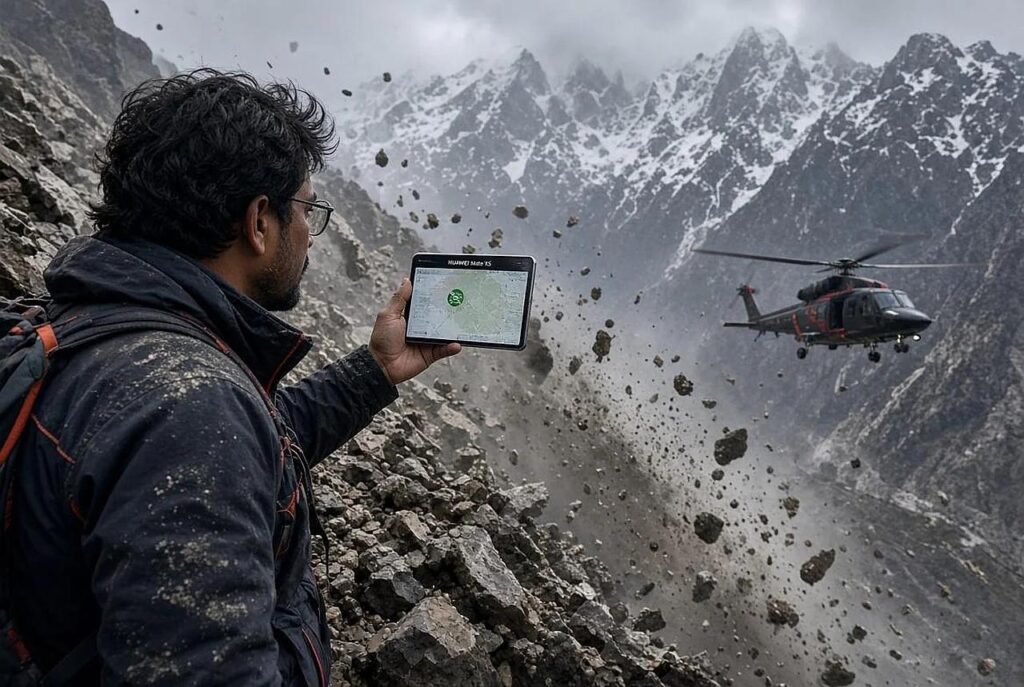
During natural disasters such as floods, earthquakes, and cyclones, traditional communication infrastructure can become unavailable. Satellite connectivity could provide an additional communication option for emergency teams and affected communities.
2. Travel and Tourism
People travelling through mountains, forests, deserts, and remote tourist destinations could benefit from improved connectivity where mobile networks are limited.
3. Agriculture
Farmers working in geographically isolated areas could eventually benefit from satellite-enabled communication for connected agricultural equipment, monitoring systems, and information services.
4. Maritime Industry
Ships operating far from coastal cellular networks need reliable communication systems. Satellite connectivity can support communication, tracking, and operational coordination.
5. Transportation and Logistics
Satellite connectivity could help improve communication with vehicles travelling through remote highways and isolated regions, supporting safety and tracking applications.
Why Is This Technology Important for India?
India has a diverse geographical landscape, including mountains, forests, islands, rural villages, and remote border regions. Providing reliable mobile connectivity in every location through traditional infrastructure can be challenging.
Direct-to-device technology could become an additional solution for improving communication coverage in underserved areas.
In April 2026, India’s Department of Telecommunications organised a technical workshop on direct-to-device satellite communication, bringing together industry experts and stakeholders to discuss its potential and the Indian telecommunications landscape. Press Information Bureau
This demonstrates the growing importance of satellite connectivity in India’s future digital infrastructure.
Challenges That Still Need to Be Solved
Despite its potential, satellite-to-smartphone technology faces several challenges:
- Device compatibility: Not every smartphone supports direct satellite communication.
- Network capacity: Satellites must manage communication demands across large geographical areas.
- Service costs: Affordable pricing will be important for widespread adoption.
- Regulatory requirements: Spectrum allocation and telecom regulations differ between countries.
- Signal limitations: Buildings, weather conditions, and physical obstructions can affect connectivity.
Satellite connectivity is also expected to complement rather than completely replace traditional mobile networks. McKinsey+1
What Does the Future Look Like?
The satellite telecommunications industry is moving toward integrating space-based networks with existing 4G and 5G infrastructure.
Research firm Omdia projected in March 2026 that global direct-to-device satellite services could reach approximately 411 million monthly active users by 2030. This is a forecast, not a confirmed adoption figure. Omdia
As technology improves, smartphones may become increasingly capable of maintaining connectivity across remote geographical locations without relying exclusively on nearby mobile towers.
Conclusion
Satellite-to-smartphone technology could represent a major step forward in global communication. By connecting mobile devices directly with satellites, it has the potential to reduce connectivity gaps and improve communication in places where traditional networks struggle to reach.
The future of mobile connectivity may not depend only on how many mobile towers are built on Earth, but also on how effectively communication networks can connect the planet from space.