Plastic has become a part of everyday life. From drinking water bottles and food containers to tea bags, takeaway packaging, and household products, plastic is used almost everywhere.
Introduction
However, as plastic materials break down into tiny particles, they can enter the air, water, soil, and food supply.
These particles are known as microplastics and nanoplastics. Scientists are increasingly investigating whether exposure to these particles could affect human health.
A systematic review published in Environmental Health in February 2026 examined evidence from studies investigating microplastics and nanoplastics in human tissues and biological samples. Researchers reported associations with several health-related findings, but differences in study methods and the risk of bias mean that these results do not establish that microplastics directly cause disease.
Understanding the issue is important, but it is equally important to separate established facts from scientific uncertainty.
What Are Microplastics and Nanoplastics?
Microplastics are tiny plastic particles measuring between approximately one micrometre and five millimetres. Nanoplastics are smaller particles, generally measured on the nanometre scale.
They can form when larger plastic products degrade through sunlight, friction, heat, and environmental exposure. Some particles are also released directly from industrial processes and synthetic materials.
Because these particles are small and difficult to detect, identifying their sources, measuring exposure, and determining their effects on the human body present significant scientific challenges.
How Can Microplastics Enter Our Bodies?
1. Drinking water
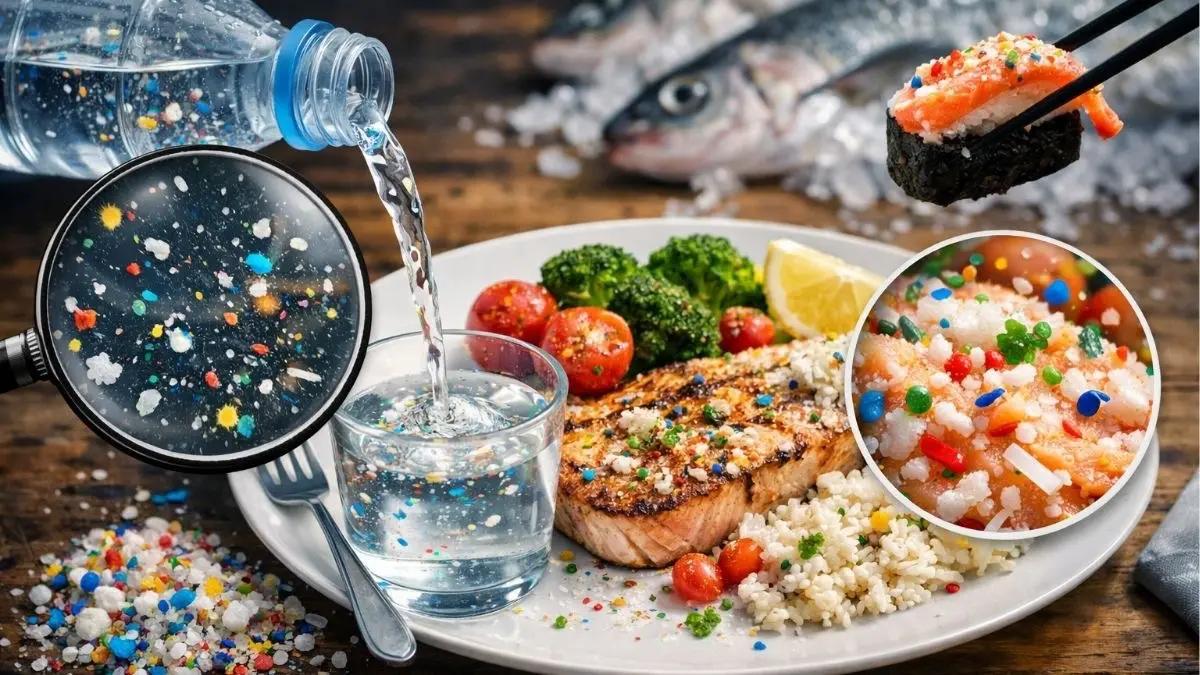
Microplastics have been detected in different water sources, including bottled water and tap water. Their concentrations can vary depending on the source, collection method, processing, and testing techniques.
However, finding particles in water does not automatically establish that the levels present cause harm to people.
2. Food and food packaging
Microplastics have been detected in a variety of foods, including seafood, salt, honey, vegetables, and meat. Particles may enter food through environmental contamination, processing, handling, or packaging.
Research is ongoing to establish how much exposure comes from different foods and which routes contribute most to overall intake.
3. Air and household dust
Plastic particles can also be released from synthetic textiles, vehicle tyres, paints, and other materials. People may inhale airborne particles or accidentally swallow particles that settle in household dust.
This means that exposure is not limited to drinking water or eating packaged foods.

What Does Current Research Say About the Health Risks?
Scientists are studying several possible biological effects.
Inflammation and oxidative stress: Laboratory and animal studies suggest that certain plastic particles may trigger inflammatory responses or oxidative stress under particular conditions. Whether typical real-world exposure produces comparable effects in humans remains uncertain.
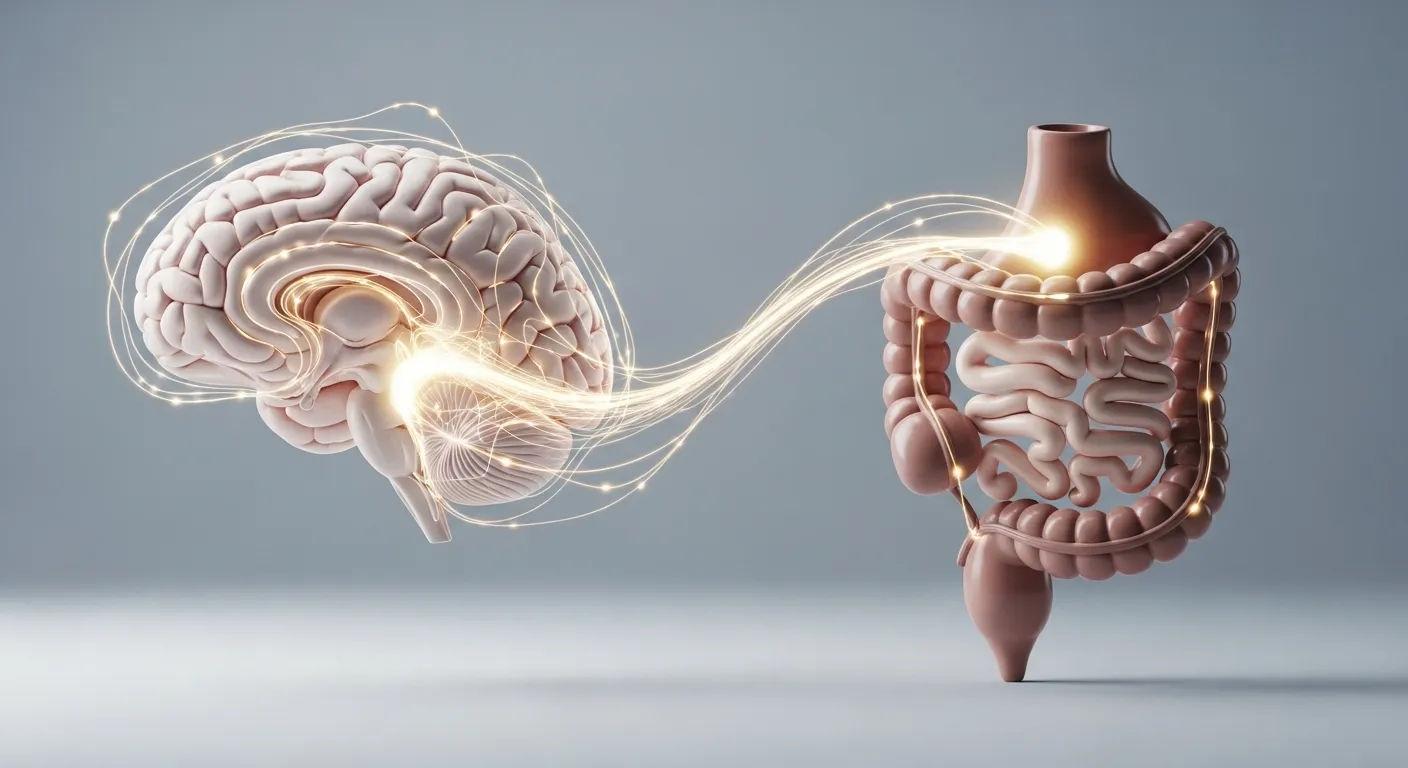
Digestive health: Researchers are investigating whether microplastics interact with the intestinal lining or gut microbiome. Findings from human studies are still developing, and it is not yet clear what these observations mean for long-term health.
Cardiovascular health: Some human studies have reported associations between microplastic detection in vascular samples and adverse cardiovascular outcomes. These studies cannot, by themselves, establish that the particles caused those outcomes.
Reproductive health: Researchers have detected plastic particles in some reproductive and pregnancy-related samples. The possible implications for fertility and pregnancy require better-designed studies and more reliable exposure measurements.
A 2026 systematic review highlighted these areas of concern while also identifying important limitations, including small samples, inconsistent measurement methods, and possible confounding factors.
Are Microplastics Definitely Dangerous to Humans?
The honest answer is that important questions remain unanswered.
Scientists have evidence that people are exposed to microplastics and that particles can be detected in some human samples. However, the degree of risk associated with typical exposure levels has not been established reliably.
The US Food and Drug Administration states that current scientific evidence does not demonstrate that the levels of microplastics and nanoplastics detected in foods pose a risk to human health. This is not proof that every possible exposure is harmless; it reflects the limitations of the available evidence. FDA
Seven Practical Ways to Reduce Avoidable Plastic Exposure
You do not need to panic or completely eliminate plastic from your life. Focus on practical steps that reduce unnecessary exposure while keeping food and drinking water safe.
1. Use reusable drinking containers. Choose a clean, food-safe reusable bottle made from stainless steel or glass when practical.
2. Avoid heating food in unsuitable plastic containers. Use microwave-safe containers as directed and consider glass or ceramic for reheating when convenient.
3. Store food appropriately. Follow the manufacturer’s instructions for food-contact materials, especially when heating or storing hot foods.
4. Reduce unnecessary single-use packaging. Reusable shopping bags and food containers can help reduce plastic waste.
5. Maintain a clean home. Wet dusting and damp mopping can help remove household dust rather than redistributing it into the air.
6. Follow safe drinking-water practices. Use a reliable water source and maintain filters according to their instructions. Ordinary household filters should not be assumed to remove all microplastics.
7. Choose a varied, balanced diet. Eat a variety of vegetables, fruits, pulses, whole grains, and other nutritious foods rather than avoiding important food groups because of unproven contamination concerns.
These actions may reduce some avoidable exposures, but they cannot guarantee that your food, water, or environment is entirely free of plastic particles.
Myths vs Facts About Microplastics
| Myth | Fact |
|---|---|
| All plastic exposure causes disease. | The health effects of typical exposure levels remain uncertain. |
| Bottled water is always safer from microplastics. | Particles have been detected in both bottled and tap water. |
| Every plastic container is unsafe. | Food-contact materials vary, and intended use matters. |
| Detox drinks remove microplastics from the body. | There is no established detox drink proven to remove microplastics from human tissues. |
| You must stop eating packaged food completely. | Reducing unnecessary packaging is reasonable, but extreme food restrictions are not supported by current evidence. |
Conclusion
Microplastics represent an important environmental research topic because they are widespread and human exposure is difficult to avoid entirely. Scientists are working to understand how much exposure occurs, how particles behave inside the body, and whether particular levels or types of exposure create health risks.
For now, the most sensible approach is to reduce unnecessary plastic use, follow safe food-storage practices, maintain good drinking-water hygiene, and rely on credible scientific evidence rather than fear-based claims.