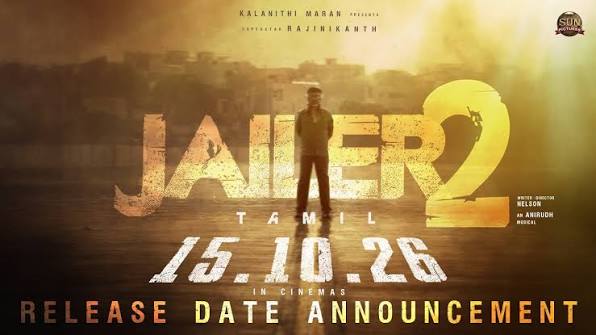
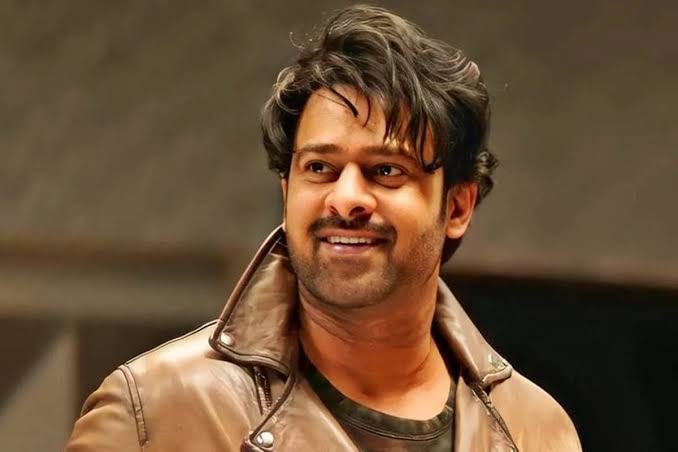
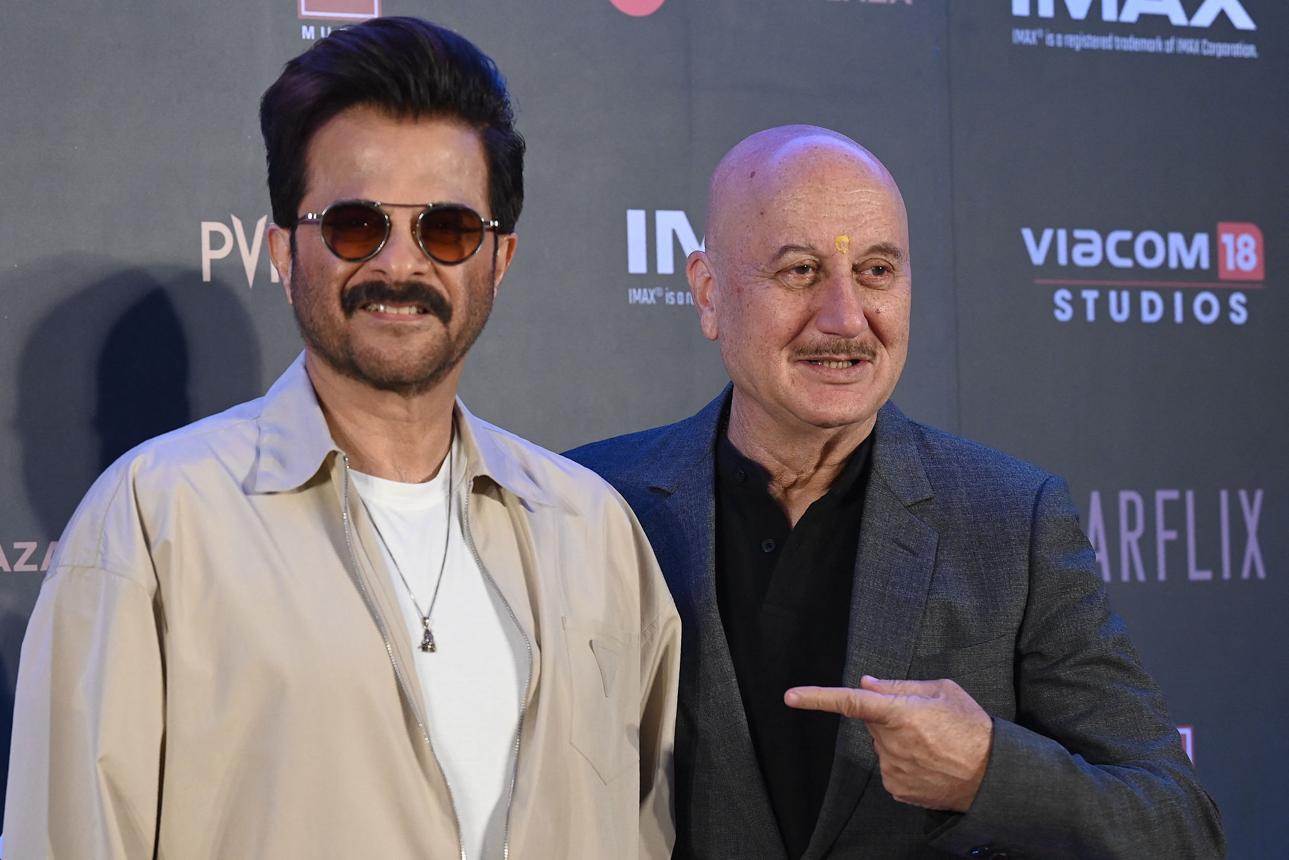
A celebrity’s influence once depended heavily on films, television appearances, magazine interviews, and public events.
Introduction
Today, a single social media post can reach millions of people within minutes.
Actors, singers, influencers, and other public figures can communicate directly with fans, promote their work, and share selected moments from their lives. This has changed the meaning of fame, making celebrity culture more immediate, interactive, and sometimes unpredictable.
But behind the likes, comments, and viral moments lies a more complicated relationship between popularity, privacy, and public expectations.
1. Social Media Has Changed the Relationship Between Celebrities and Fans
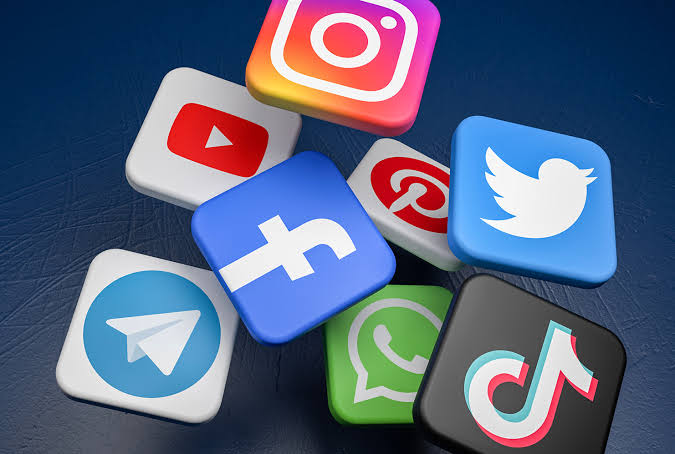
Platforms such as Instagram and YouTube allow celebrities to connect with audiences without relying entirely on traditional media.
Fans can follow film promotions, music launches, behind-the-scenes footage, interviews, and personal updates. These interactions can make public figures feel more accessible and help them build loyal communities.
For celebrities, maintaining an online presence has become an important part of personal branding and entertainment promotion.
2. Viral Moments Can Influence a Celebrity’s Career
A dance performance, interview clip, fashion appearance, or movie dialogue can suddenly become popular online.
Viral attention can introduce an emerging actor or musician to a much larger audience. It can also revive interest in older songs, films, and performances.
However, online attention is often temporary. Long-term success still depends on factors such as talent, consistent work, audience connection, and the quality of a person’s projects.
3. Influencers and Traditional Celebrities Are Sharing the Spotlight
The boundary between entertainment celebrities and digital creators has become less distinct.
Influencers can develop large audiences through comedy, lifestyle videos, music, gaming, or educational content. Some later move into acting, hosting, advertising, and other entertainment opportunities.
Traditional celebrities, meanwhile, use short videos, live sessions, and collaborations to connect with younger audiences.
This convergence has created a broader entertainment ecosystem in which different types of creators compete for attention.
4. The Pressure of Constant Public Attention
Although social media offers opportunities, it also brings challenges.
Celebrities may face intense scrutiny over their appearance, relationships, professional decisions, and personal opinions. Rumours can spread quickly, and private moments may become public discussions.
The pressure to remain visible and continuously produce engaging content can also make it difficult to establish boundaries between professional responsibilities and personal life.
Responsible reporting and respectful online behaviour are important in maintaining a healthier entertainment culture.
5. Celebrity Endorsements and Consumer Choices
Public figures can influence fashion, beauty, travel, fitness, and purchasing trends. A product promoted by a popular actor or influencer may receive considerable attention because audiences associate it with that person’s image.
However, popularity does not automatically establish a product’s quality or suitability. Consumers should evaluate product claims, consider their own needs, and distinguish paid promotions from independent recommendations.
Transparent advertising disclosures help audiences understand when a celebrity is being compensated for an endorsement.
6. Can Social Media Popularity Replace Talent?
Social media can create visibility, but visibility and professional success are not the same thing.
A viral video may open doors, yet sustained careers usually require dedication, skill development, reliability, and the ability to adapt. In acting, for example, online popularity alone cannot replace the work involved in understanding characters, performing scenes, and collaborating with a production team.
At the same time, social platforms can provide talented newcomers with opportunities that were once harder to access.
Conclusion
Celebrity culture is evolving as social media changes how fame is created, maintained, and experienced. Public figures now have more direct access to their audiences, while fans have greater opportunities to participate in entertainment conversations.
Yet the most meaningful careers are built on more than viral trends. Talent, authenticity, professional growth, and responsible communication continue to matter.
In an increasingly connected world, the future of stardom will depend on finding a balance between public visibility and personal boundaries.