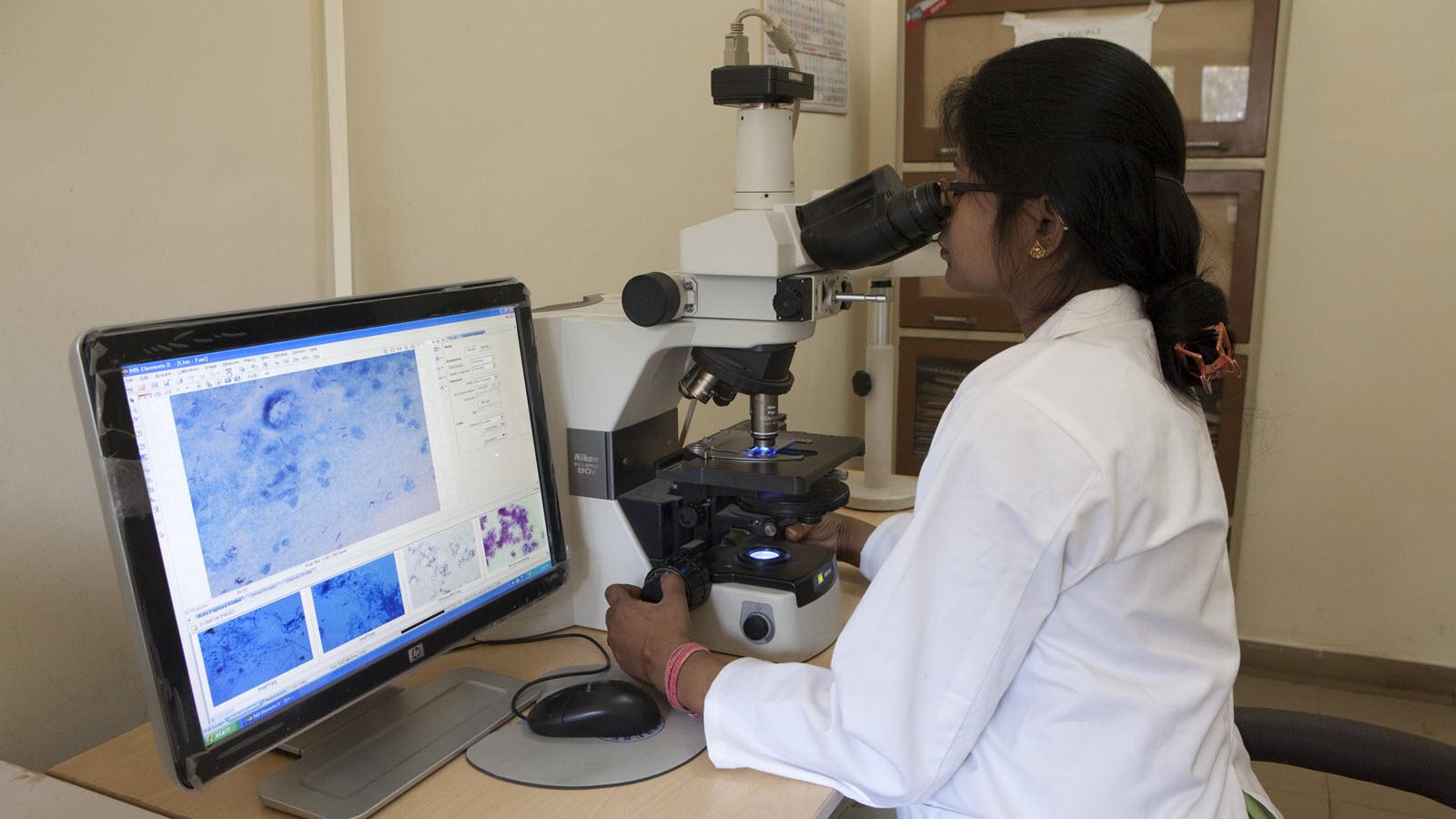
A new research project at AIIMS New Delhi is investigating the genetic characteristics of tuberculosis (TB) bacteria to better understand drug resistance and treatment outcomes.
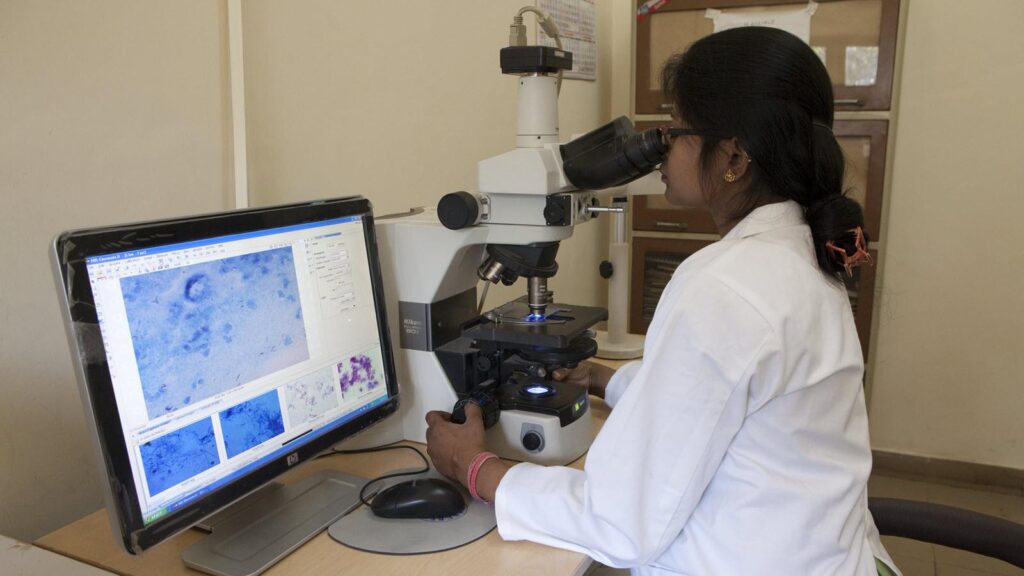
Introduction
Tuberculosis (TB) continues to be a major public health challenge in India, affecting millions of people and placing pressure on healthcare services. Although TB is preventable and treatable, drug resistance and delays in diagnosis can make the disease more difficult to manage.
In an important development, the All India Institute of Medical Sciences (AIIMS), New Delhi, has partnered with Union Bank of India to launch a three-year research project focused on understanding the bacteria responsible for tuberculosis. Launched on October 6, 2026, the initiative aims to investigate how the genetic makeup and biological characteristics of TB bacteria may influence disease progression, drug resistance and treatment outcomes. The project is supported through the bank’s corporate social responsibility (CSR) initiative.
Understanding the New TB Research Project
The research will focus on Mycobacterium tuberculosis, the bacterium that causes tuberculosis. Scientists will study its genetic characteristics and observable biological behaviour, combining laboratory findings with clinical information from patients.
The objective is to understand why some TB infections respond well to treatment while others are more difficult to manage. By examining differences between bacterial strains, researchers hope to develop stronger scientific evidence that could eventually help doctors make better-informed treatment decisions.
The project will also explore the relationship between bacterial characteristics and the clinical outcomes experienced by patients. This is particularly important for people whose condition does not improve as expected or who have drug-resistant forms of tuberculosis.
The research is intended to strengthen existing medical knowledge. Its findings will need to be evaluated before they can be translated into changes in routine diagnosis or treatment.
Why Is Drug-Resistant Tuberculosis a Serious Concern?
Drug-resistant tuberculosis occurs when the bacteria responsible for the infection can survive medicines that would normally kill them or stop their growth. As a result, some standard treatments may not work effectively.
Treating drug-resistant TB can be more complicated than treating drug-sensitive disease. Patients may require specialised testing and carefully selected treatment regimens under the supervision of qualified healthcare professionals.
Several factors can affect treatment outcomes, including delayed diagnosis, interruptions in treatment, the characteristics of the bacteria and the availability of appropriate medical care.
Understanding the biological mechanisms behind drug resistance is therefore an important part of tuberculosis research. By studying bacterial genes and how they influence the organism’s behaviour, scientists may gain a clearer picture of why certain medicines fail against particular strains.
However, drug resistance is only one part of a complex disease. The patient’s overall health, other medical conditions and access to continuous treatment also influence recovery.
How Can Genetic and Biological Analysis Help?
The AIIMS research project will examine tuberculosis bacteria using two complementary approaches: genomic analysis and phenotypic analysis.
1. Genomic analysis
Genomic analysis examines the genetic material of an organism. In TB research, it can help identify genetic variations and mutations associated with resistance to particular medicines.
Understanding these variations may help researchers investigate how different strains of the bacterium behave and respond to treatment.
2. Phenotypic analysis
Phenotypic analysis focuses on observable characteristics and behaviour. In tuberculosis research, this can include examining how bacteria grow and respond to medicines under laboratory conditions.
This approach can help scientists investigate whether particular genetic changes are associated with measurable differences in bacterial behaviour.
3. Connecting laboratory findings with patient outcomes
Researchers will also examine clinical information to explore how bacterial characteristics relate to the course of illness and treatment results.
Combining these approaches may provide a more complete understanding of the disease than studying bacterial genetics alone.
Importantly, these are research methods rather than a promise of an immediate new diagnostic test. Any future clinical application would require appropriate validation.
India’s Ongoing Fight Against Tuberculosis
India has made tuberculosis elimination a major public health priority through screening programmes, diagnostic services, treatment initiatives and community outreach.
The country’s TB response includes efforts to identify infections earlier, connect patients with healthcare services and improve treatment completion. Yet challenges remain, particularly in detecting drug-resistant infections and ensuring that patients receive the appropriate care.
India’s national ambition is aligned with the broader global goal of ending the TB epidemic by 2030. Achieving that goal will require continued investment in research, prevention, early diagnosis and effective treatment.
Scientific initiatives such as the new AIIMS project could contribute to these efforts by improving understanding of the bacterium itself. Better knowledge of the factors associated with drug resistance and treatment failure may help guide future research priorities.
Nevertheless, a research project alone cannot eliminate tuberculosis. Progress also depends on accessible healthcare, patient support, timely testing and consistent implementation of effective treatment programmes.
Recognising the Symptoms of Tuberculosis
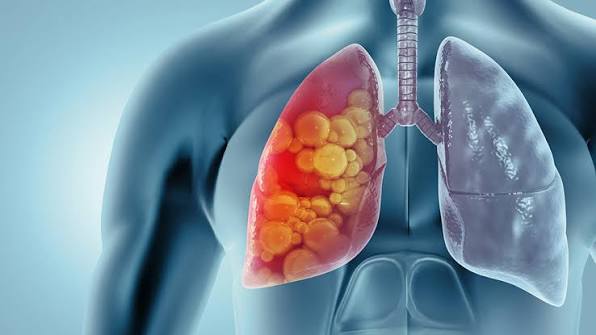
Tuberculosis most commonly affects the lungs, although it can also affect other parts of the body.
Common symptoms of pulmonary TB include:
- A persistent cough, sometimes accompanied by blood.
- Fever that continues or repeatedly returns.
- Night sweats.
- Unexplained weight loss.
- Reduced appetite.
- Unusual tiredness or weakness.
These symptoms can occur with other illnesses, so they do not automatically mean a person has TB. Anyone experiencing a persistent cough or other concerning symptoms should seek medical assessment rather than attempting to diagnose the condition independently.
TB can spread through the air when a person with infectious pulmonary tuberculosis releases bacteria into the air, particularly in shared indoor spaces with poor ventilation.
Early medical assessment can help identify the cause of symptoms and ensure that appropriate testing and treatment are started when needed.
How Can People Reduce the Risk of TB?
Although not every infection can be prevented, several measures can help reduce transmission and support better outcomes.
Seek medical advice early: Do not ignore a persistent cough, unexplained weight loss or prolonged fever.
Complete prescribed treatment: People diagnosed with TB should follow their prescribed treatment plan and attend medical follow-ups. They should not stop taking medicines or change doses without consulting their healthcare professional.
Improve indoor ventilation: Good ventilation can reduce the concentration of infectious airborne particles in shared spaces.
Follow healthcare guidance: People diagnosed with infectious TB should follow advice from their healthcare team about precautions, testing and protecting close contacts.
Support good nutrition: Adequate nutrition supports general health and recovery. People with TB who are struggling with food intake or weight loss should discuss their nutritional needs with their healthcare provider.
These measures complement medical care; they do not replace appropriate testing or prescribed treatment.
What Does This Research Mean for the Future?
The AIIMS Delhi and Union Bank of India partnership represents an investment in understanding tuberculosis at a deeper biological level. By examining bacterial genetics, observable characteristics and clinical information together, researchers hope to generate evidence that could contribute to better management of difficult TB cases.
The three-year study may help scientists investigate why some infections are more challenging to treat and how bacterial characteristics relate to patient outcomes. Its eventual value will depend on the quality of the findings and whether subsequent research establishes useful applications in clinical practice.
For now, patients should continue to rely on established diagnostic procedures and treatment guidance from qualified healthcare professionals rather than waiting for the results of this research.
Conclusion
Tuberculosis remains a significant health concern in India, but research continues to improve scientific understanding of the disease. The new AIIMS Delhi project, supported by Union Bank of India, aims to investigate how the genetics and behaviour of TB bacteria are associated with drug resistance and treatment outcomes.
Although the study will take time to produce results, it highlights the importance of medical research in addressing complex public health challenges. Alongside scientific progress, early diagnosis, appropriate treatment, good ventilation and continued patient support remain essential in reducing the burden of tuberculosis.