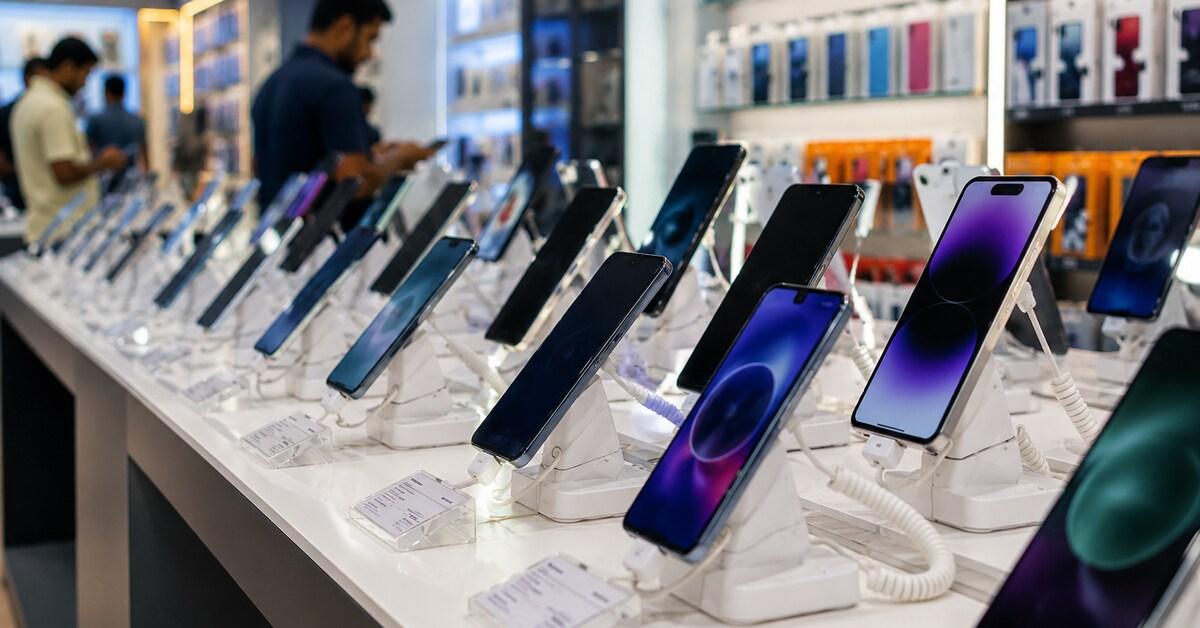
India’s smartphone market has experienced a significant slowdown, with shipments falling to their lowest third-quarter level in a decade despite the festive shopping season.
The development highlights changing consumer spending patterns and growing challenges for smartphone manufacturers.
What Do the Latest Numbers Show?
According to market research firm Omdia, smartphone shipments in India declined by 26% year-on-year to 35.8 million units in the third quarter of 2026. This was the lowest shipment volume for a third quarter since 2016.
The decline came despite expectations that festive-season shopping would support sales.
Why Are Smartphone Shipments Falling?
Several factors appear to have contributed to the slowdown.
- Higher smartphone prices: More expensive devices may be encouraging consumers to delay upgrades.
- Cautious spending: Buyers are becoming more selective about major purchases.
- Longer replacement cycles: Some consumers are keeping their existing phones for longer instead of upgrading every year.
- Festive timing: The later timing of Diwali shifted some retailers’ inventory preparations from September into October, affecting quarterly shipment figures.
Samsung Regains the Top Position
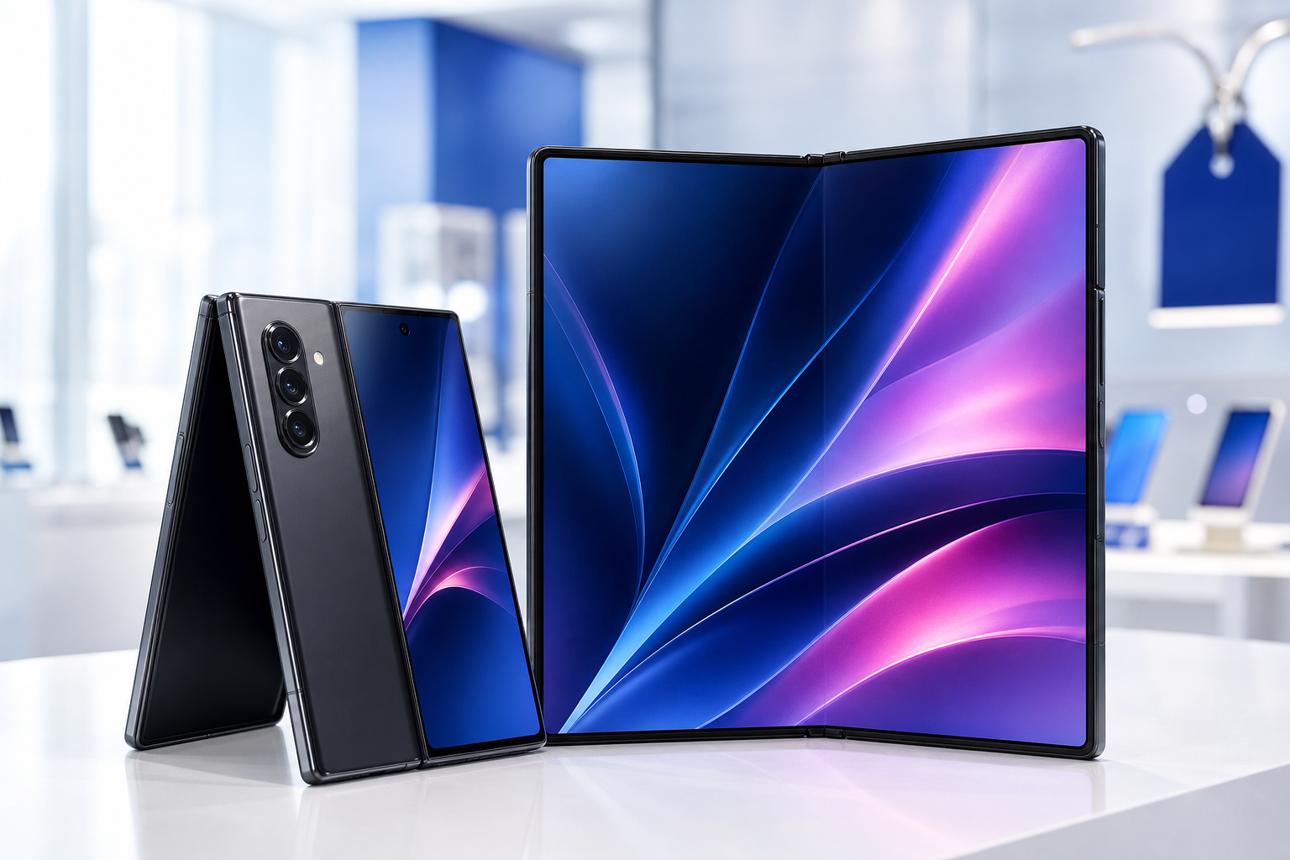
Despite the broader market decline, Samsung regained the leading position in India’s smartphone market, supported by demand for its flagship devices, according to the report.
This suggests that while consumers may be reducing overall purchases, premium smartphones can still attract buyers. However, performance can differ considerably between brands and price segments.
What Does This Mean for Consumers?
A slowdown in shipments does not automatically mean that smartphone prices will fall. Manufacturers may respond through discounts, exchange offers, financing options or adjustments to their product launches.
For buyers, comparing specifications, software support, battery life and after-sales service remains more useful than choosing a phone based on discounts alone.
What Lies Ahead?
The market’s performance in the coming months will depend on consumer demand, festive-season sales, pricing strategies and manufacturers’ ability to offer compelling upgrades.
October and the subsequent festive shopping period may provide a clearer picture of whether the slowdown is temporary or reflects a longer-term shift in purchasing behaviour.
Conclusion
The 26% decline in India’s smartphone shipments highlights the pressure facing the mobile industry in 2026. While consumers appear more cautious about upgrades, competition between manufacturers and demand for premium devices continue to shape the market.