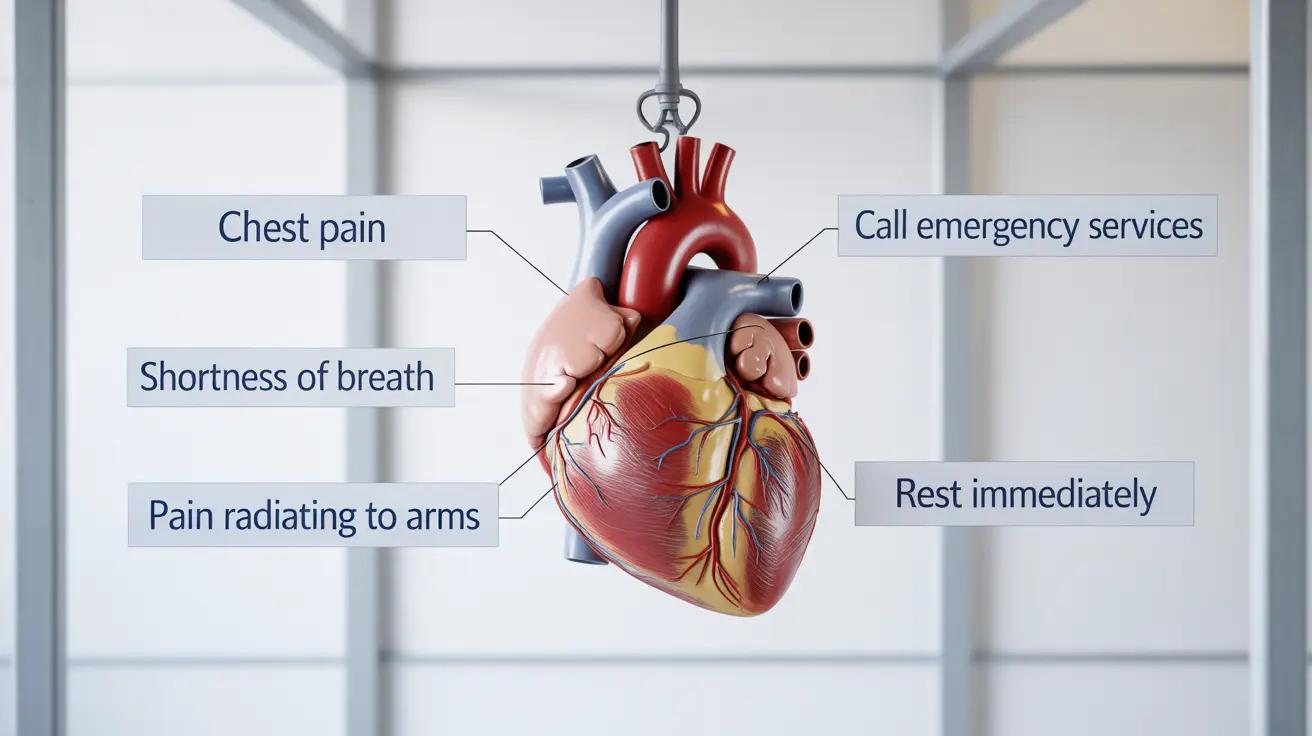
Heart health is one of the most important aspects of overall well-being. The heart pumps blood throughout the body, supplying oxygen and essential nutrients to every organ.
Introduction
However, unhealthy eating habits, physical inactivity, chronic stress, smoking, and poor sleep can increase the risk of cardiovascular diseases.
The good news is that small, consistent lifestyle changes can help protect your heart and support long-term health.
1. Follow a Heart-Healthy Diet
A balanced diet plays a major role in maintaining cardiovascular health. Include fresh fruits, vegetables, whole grains, pulses, nuts, and seeds in your daily meals. Foods rich in fibre can help manage cholesterol levels, while reducing excessive salt and saturated fats can support healthy blood pressure.
Try to limit processed foods, sugary drinks, deep-fried snacks, and foods containing high amounts of trans fats.
2. Make Physical Activity a Daily Habit
Regular exercise strengthens the heart and improves circulation. Activities such as brisk walking, cycling, swimming, and dancing can benefit cardiovascular health.
Adults should generally aim for at least 150 minutes of moderate-intensity aerobic activity each week, adjusted to their abilities and medical needs. Even a short daily walk is a useful starting point if you have been inactive.
3. Manage Stress Effectively
Long-term stress may contribute to unhealthy habits, poor sleep, and elevated blood pressure. Relaxation techniques such as deep breathing, meditation, yoga, and spending time outdoors may help manage stress.
Making time for hobbies and maintaining supportive relationships can also improve emotional well-being.
4. Prioritise Quality Sleep
Good sleep supports healthy blood pressure, metabolism, and overall cardiovascular function. Most adults need around seven to nine hours of sleep each night.
Maintain a regular bedtime, reduce screen exposure before sleeping, and create a comfortable sleeping environment. Consult a healthcare professional if you regularly experience loud snoring, breathing interruptions during sleep, or persistent daytime fatigue.

5. Know Your Heart Health Numbers
Regular health check-ups can help identify risk factors before symptoms appear. Depending on your age and individual risk, monitoring blood pressure, blood glucose, and cholesterol may be important.
Seek urgent medical attention for symptoms such as chest pressure, severe breathlessness, cold sweating, or sudden discomfort spreading to the arm, jaw, or back.
Conclusion
Protecting your heart does not require dramatic changes overnight. A nutritious diet, regular movement, adequate sleep, stress management, and preventive health check-ups can make a meaningful difference over time.