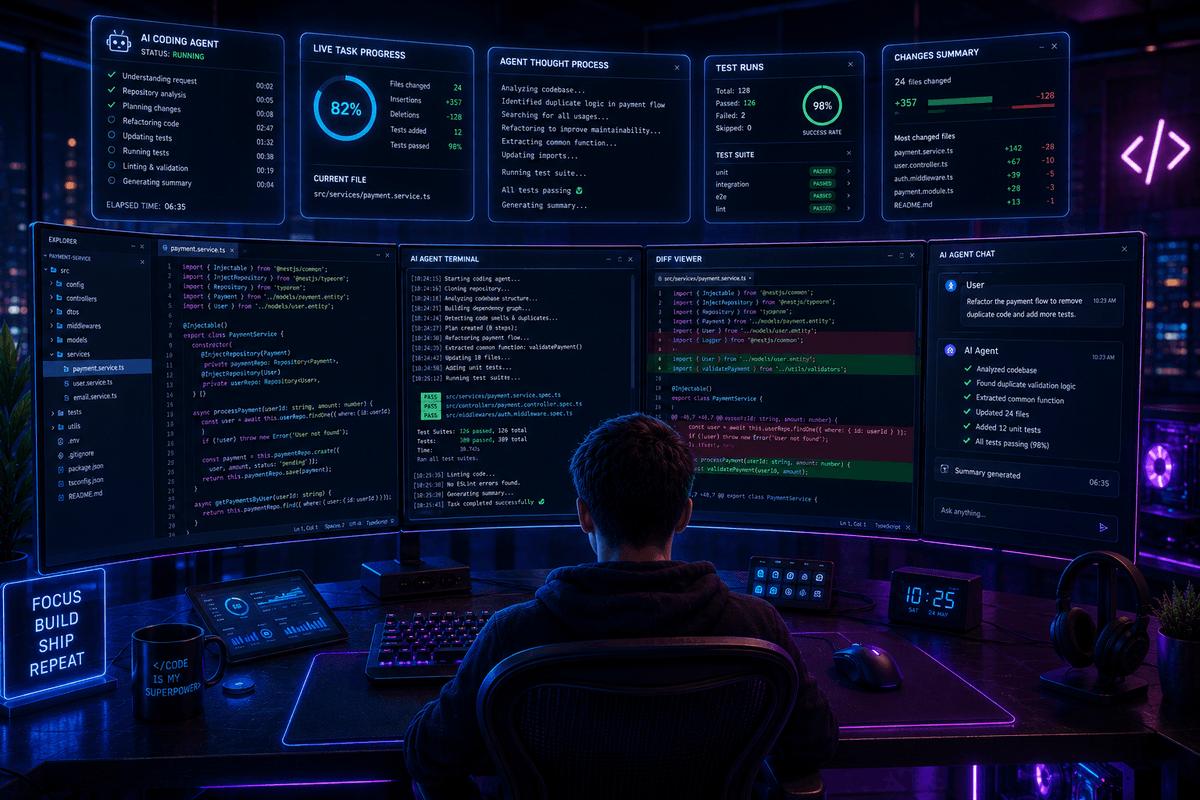
The laptop market is entering a new phase as manufacturers introduce devices designed specifically for artificial intelligence.
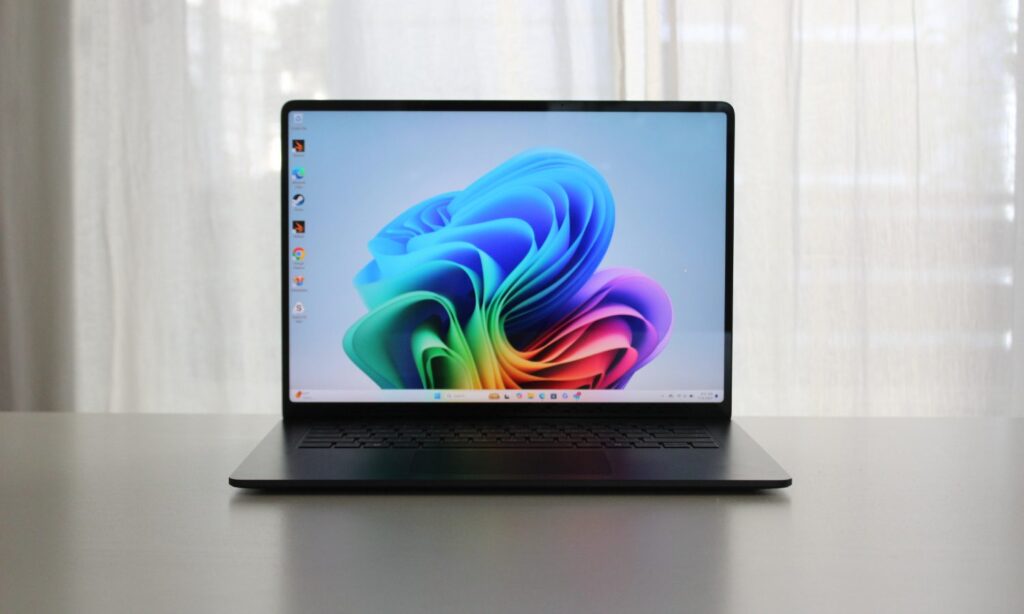
AI Laptops – From helping users write documents to running AI applications directly on their computers, the latest generation of laptops aims to make everyday computing faster, smarter and more efficient.
One of the major developments this week is the arrival of NVIDIA RTX Spark-powered laptops and workstations, with manufacturers including Microsoft, HP, Asus and Dell participating in this emerging category. These systems are designed to handle demanding AI workloads locally, reducing reliance on cloud-based services for supported tasks.
What Makes an AI Laptop Different?
Traditional laptops primarily focus on general computing, graphics and everyday productivity. AI-focused laptops add specialised hardware and software designed to accelerate certain artificial intelligence tasks.
Depending on the model, this may include a neural processing unit (NPU), a powerful GPU or dedicated AI software.
These technologies can support features such as:
- Automatic transcription and meeting summaries
- AI-assisted writing and document editing
- Background noise removal during video calls
- Image generation and creative editing
- Running compatible AI models locally
The availability and performance of these features depend on the laptop’s hardware, operating system and supported applications.
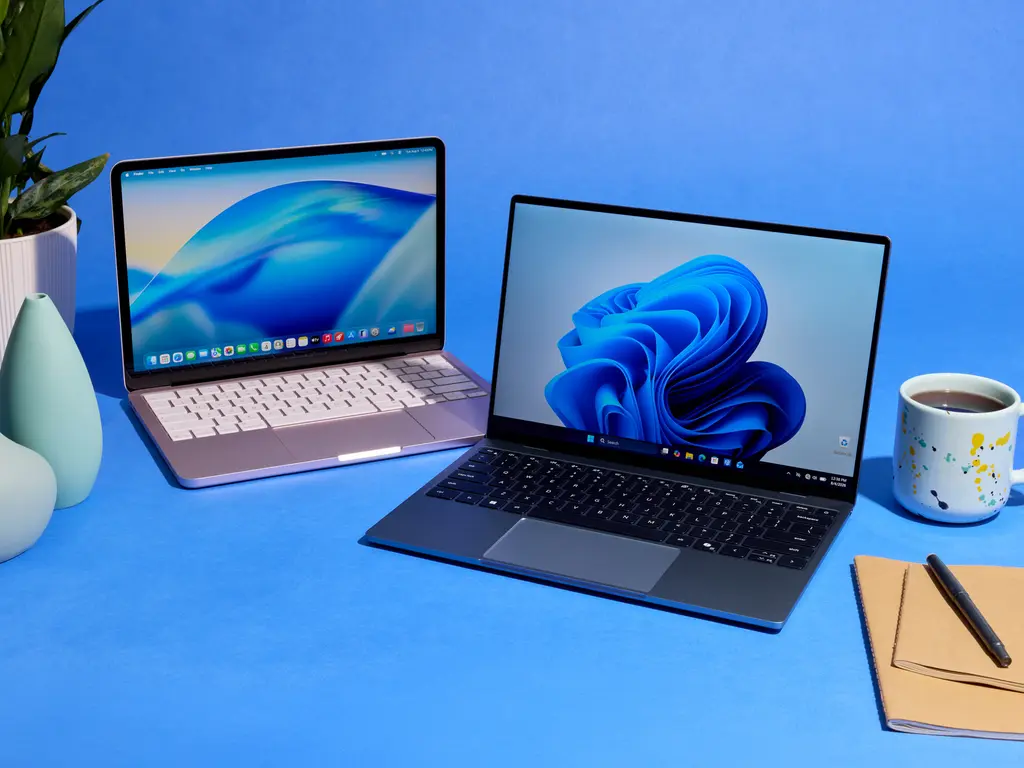
Can AI Laptops Work Without the Internet?
Some AI features require an internet connection, but compatible local AI models can run directly on the laptop.
This can offer advantages for privacy, offline access and reduced dependence on cloud services. However, running larger models locally generally requires substantial memory and processing power.
Users should also remember that local processing does not automatically guarantee complete privacy. Application permissions, stored files and other security settings still matter.
Who Should Consider Buying an AI Laptop?
AI laptops may be particularly useful for software developers, content creators, designers, researchers and businesses experimenting with AI tools.
Students and everyday users may also benefit from built-in productivity features, but they do not necessarily need an expensive AI workstation. For basic browsing, online classes and office work, a conventional laptop may still offer better value.
Before purchasing, compare the processor, RAM, storage, battery life, software compatibility and total price rather than relying only on AI branding.
Will AI Laptops Replace Traditional Computers?
Not immediately. AI capabilities are becoming an important part of personal computing, but performance, affordability and practical usefulness remain key considerations.
For many buyers, the best laptop will be the one that handles everyday tasks reliably while offering useful AI features when needed.
Conclusion
AI laptops represent an important development in the computer industry, bringing advanced computing capabilities closer to everyday users. As hardware and software continue to evolve, buyers should focus on real-world performance and useful features instead of simply choosing the newest technology.
The future of laptops will not be defined by AI alone, but by how effectively these features improve productivity, creativity and the overall computing experience.