Spending long hours on phones and computers can contribute to digital eye strain and dry eyes. Learn about symptoms, prevention and the 20-20-20 rule.
Spending Hours on Your Phone or Laptop? Your Eyes May Need a Break
Screens have become an unavoidable part of modern life. From working on laptops to scrolling through smartphones and watching television, many people spend several hours every day looking at digital displays.
A health report published today highlights growing concerns around digital eye strain, dry eyes and myopia, particularly with prolonged screen exposure.
The good news is that simple changes to your daily screen habits can help reduce eye discomfort.
What Is Digital Eye Strain?
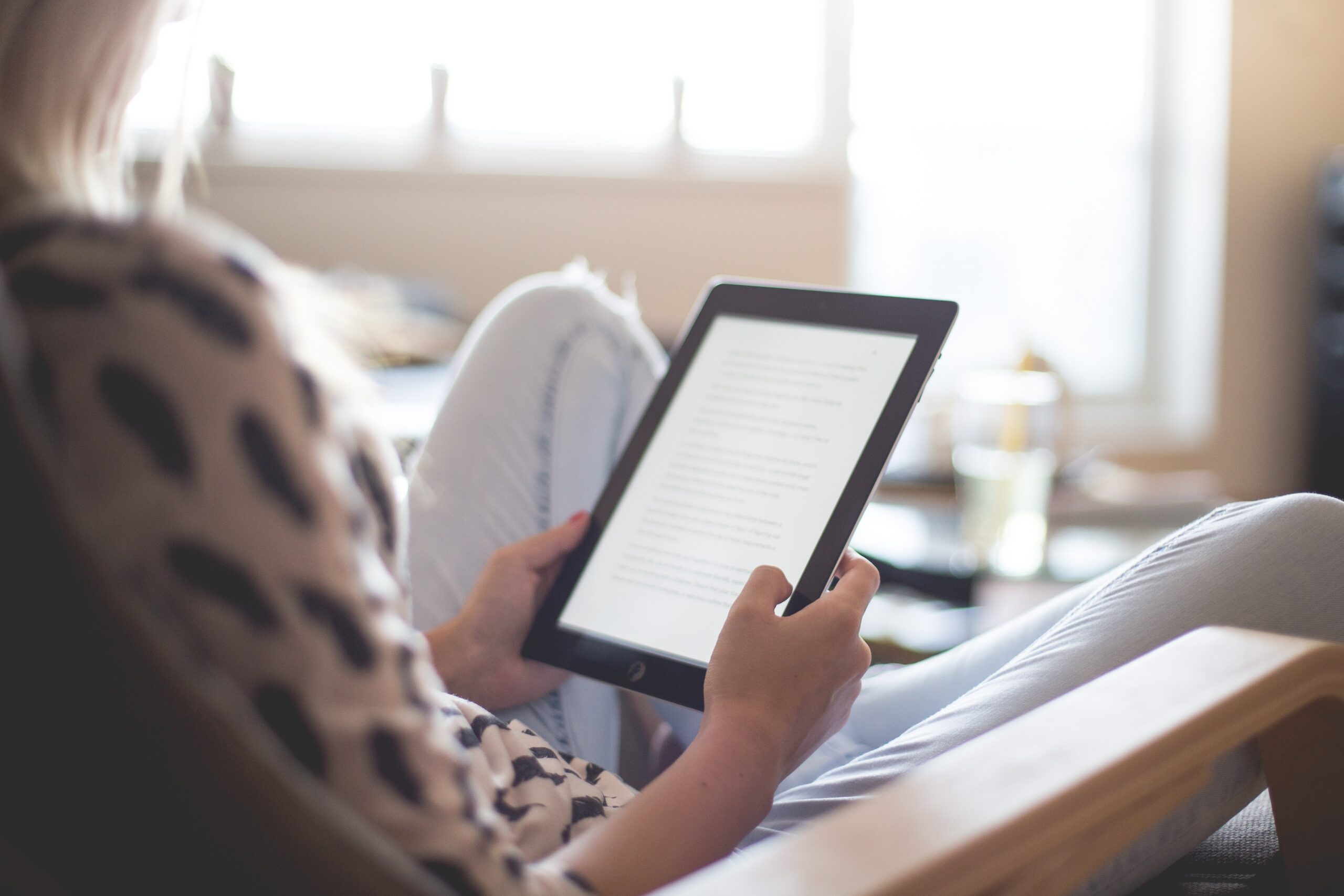
Digital eye strain refers to a group of eye and vision-related problems associated with prolonged use of computers, smartphones, tablets and other digital screens.
Common symptoms can include:
- Dry or irritated eyes
- Blurred vision
- Headaches
- Difficulty focusing
- Eye fatigue
- Increased sensitivity to light
- Neck and shoulder discomfort
These symptoms may become more noticeable after long periods of uninterrupted screen use.
Why Do Screens Make Your Eyes Tired?
When looking at a screen, people tend to blink less frequently. Reduced blinking can contribute to dryness and irritation.
Another problem is spending long periods focusing on an object at a relatively close distance without giving your eyes regular breaks.
Poor lighting, screen glare and an uncomfortable viewing position can make the problem worse.
What Is the 20-20-20 Rule?
One simple strategy often recommended for reducing digital eye strain is the 20-20-20 rule.
The idea is simple:
Every 20 minutes, look at something approximately 20 feet away for at least 20 seconds.
This gives your eyes a short break from continuous close-up focusing.
You can also make your workspace more eye-friendly by:
- Adjusting screen brightness
- Reducing glare
- Keeping the screen at a comfortable distance
- Maintaining good posture
- Taking regular breaks
- Remembering to blink regularly
- Keeping adequate lighting around your workspace
Don’t Ignore Persistent Symptoms
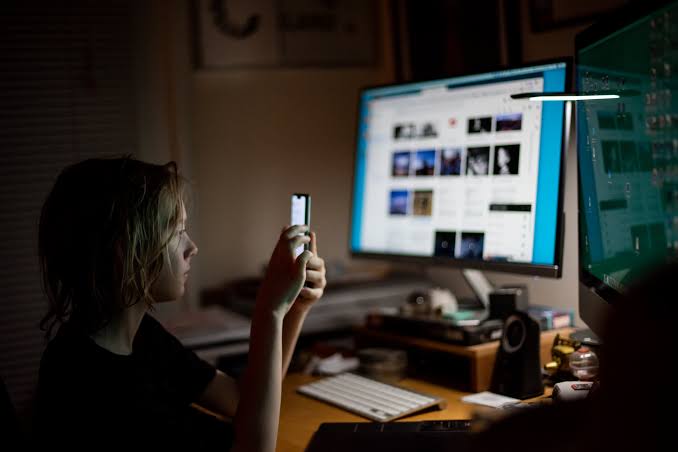
Occasional eye tiredness after a long day may be manageable, but persistent blurred vision, significant pain, headaches or other unusual symptoms should not simply be attributed to screen time.
An eye-care professional can assess your vision and determine whether another underlying issue needs attention.
Children Need Extra Attention
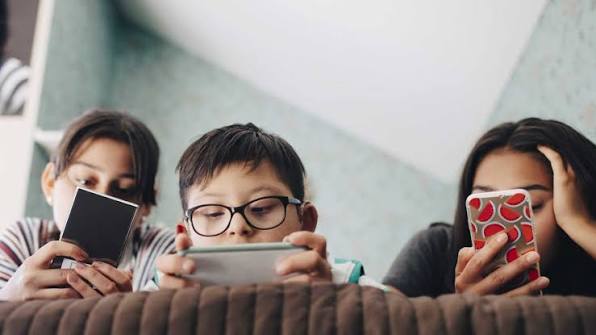
Children increasingly use smartphones, tablets and computers for both education and entertainment.
Because prolonged near-work and screen exposure can be associated with concerns around eye health and myopia, parents should encourage regular breaks and outdoor activity rather than allowing uninterrupted screen use throughout the day.
Conclusion
You don’t necessarily need to stop using screens to protect your eyes. Instead, focus on how you use them.
Taking regular breaks, following the 20-20-20 approach, reducing glare and maintaining a comfortable workspace can make long periods of screen use easier on your eyes.
Your eyes work all day — giving them a few seconds of rest every 20 minutes is a small habit that can make a big difference.
Health information in this article is for general awareness and does not replace advice from a qualified healthcare professional.