Time and again, this superfood appears in nutrition recommendations for its antioxidant properties, anti-inflammatory effects and overall wellness value.
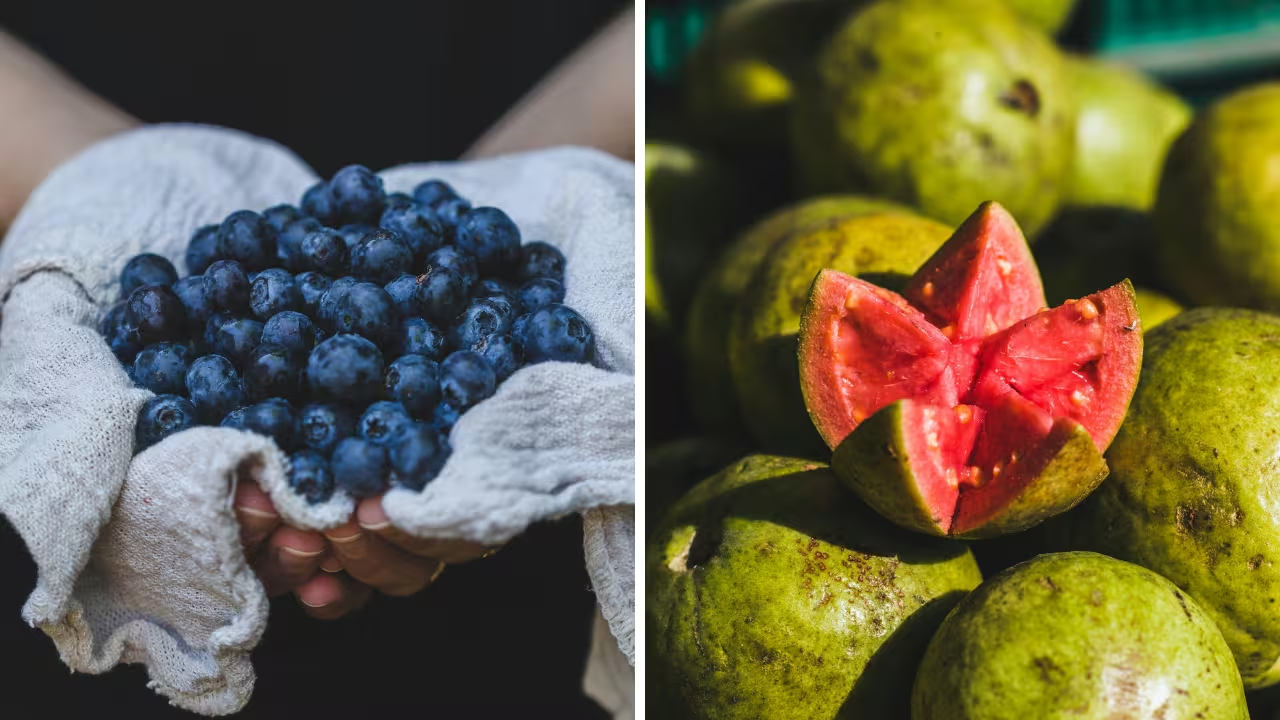
Blueberries offer extensive health benefits. Time and again, this superfood appears in nutrition recommendations for its antioxidant properties, anti-inflammatory effects and overall wellness value. However, the catch is that blueberries are usually on the pricier side and sometimes less accessible as well. For everyday consumption, they might not be viable. But is there any alternative that offers similar nutritional benefits as blueberries?
Fortunately, there is an affordable and nutritious alternative readily available in India: guava.
According to nutritionist Deepshikha Jain, guava can be a good alternative to blueberries because both fruits provide valuable nutrients that support overall wellness. Easily available in local markets, guava offers several health benefits without putting extra pressure on your grocery budget.
Why Is Guava a Healthy Alternative to Blueberries?
Guava is packed with essential nutrients, dietary fibre, and antioxidants. Although its nutritional profile differs from that of blueberries, it can be an excellent addition to a balanced diet.
1. Rich in Vitamin C
Guava is particularly well known for its high vitamin C content. This essential nutrient supports immune function, helps the body produce collagen, and improves the absorption of iron from plant-based foods.
Adding guava to your daily fruit intake is a simple way to increase your vitamin C consumption.
2. Supports Digestive Health
Guava contains dietary fibre, which supports healthy digestion and helps maintain regular bowel movements. Fibre also contributes to feelings of fullness, making guava a useful choice for people looking to manage their appetite.
Eating the fruit whole rather than drinking its juice is generally a better way to benefit from its fibre content.
3. Provides Antioxidants
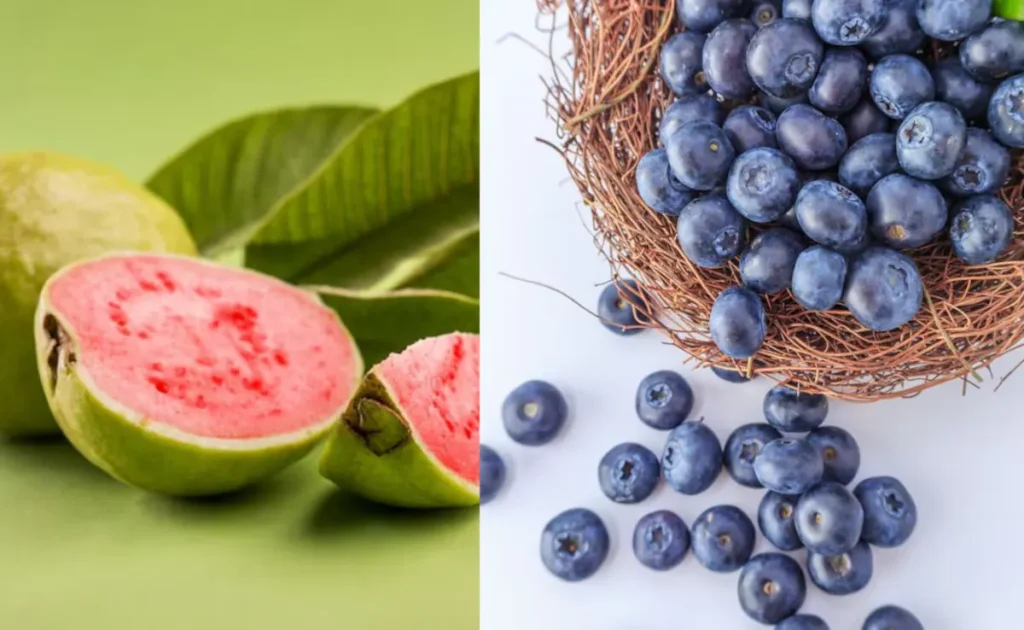
Both guava and blueberries contain antioxidants that help protect cells against oxidative stress. Guava provides vitamin C and other beneficial plant compounds, while blueberries are especially known for their anthocyanins, the pigments responsible for their blue-purple colour.
Although the types and amounts of antioxidants differ, guava remains a nutritious option for supporting a varied, plant-rich diet.
4. May Support Heart Health
Guava provides fibre and potassium, two nutrients associated with cardiovascular health. A balanced diet rich in fruits and vegetables can support healthy blood pressure and cholesterol levels.
However, no single fruit can prevent or treat heart disease on its own.
5. A Budget-Friendly Choice
One of guava’s biggest advantages is its affordability and accessibility in India. Blueberries can be expensive, particularly when imported or purchased outside their growing season, whereas guava is commonly available in local markets.
This makes guava a practical option for people who want to eat nutritious foods consistently without spending more than necessary.
Guava vs Blueberries: Which Is Better?
Both fruits offer nutritional benefits, but they differ in their nutrient composition.
| Nutritional aspect | Guava | Blueberries |
|---|---|---|
| Vitamin C | Excellent source | Lower than guava |
| Dietary fibre | Good source | Good source |
| Antioxidants | Vitamin C and plant compounds | Rich in anthocyanins |
| Brain health | Supports overall health through its nutrients | Studied for potential cognitive benefits |
| Affordability in India | Generally more affordable | Often more expensive |
| Everyday availability | Widely available | May be less accessible |
Neither fruit is universally better than the other. Guava stands out for its vitamin C content and affordability, while blueberries offer distinctive plant compounds that have attracted research interest for their potential benefits for brain health.
How Can You Include Guava in Your Daily Diet?
You do not need an elaborate diet plan to enjoy the benefits of guava. Try these simple ideas:
- As a morning or evening snack: Eat a fresh guava between meals.
- In a fruit bowl: Combine guava with papaya, apples, or seasonal fruits.
- As a salad: Add chopped guava, cucumber, lemon juice, and a pinch of spices.
- With breakfast: Pair guava with oats, yoghurt, or other nutritious foods.
- As a whole fruit: Choose fresh guava instead of relying on packaged juices with added sugar.
Wash the fruit thoroughly before eating, and adjust the portion to your appetite and individual dietary needs.
Can Guava Improve Brain Health Like Blueberries?
Blueberries have been studied for their anthocyanins and their possible role in supporting cognitive function. Guava also contributes beneficial nutrients and antioxidants, but there is not enough evidence to conclude that eating guava produces the same specific brain-health effects as blueberries.
For better brain health, focus on an overall balanced lifestyle that includes a varied diet, regular physical activity, adequate sleep, and mental stimulation rather than relying on a single superfood.
The Bottom Line
Blueberries may be nutritious, but they are not the only way to add antioxidants to your diet. Guava is an affordable, vitamin C-rich fruit that offers fibre and beneficial plant compounds, making it an excellent everyday choice for people in India.
While guava and blueberries are not nutritionally identical, both can contribute to a healthy diet. The best approach is to eat a variety of seasonal fruits and vegetables, choose options that fit your budget, and maintain consistency in your eating habits.
A healthy diet does not have to be expensive. Sometimes, one of the most nutritious choices is already available at your local fruit market.