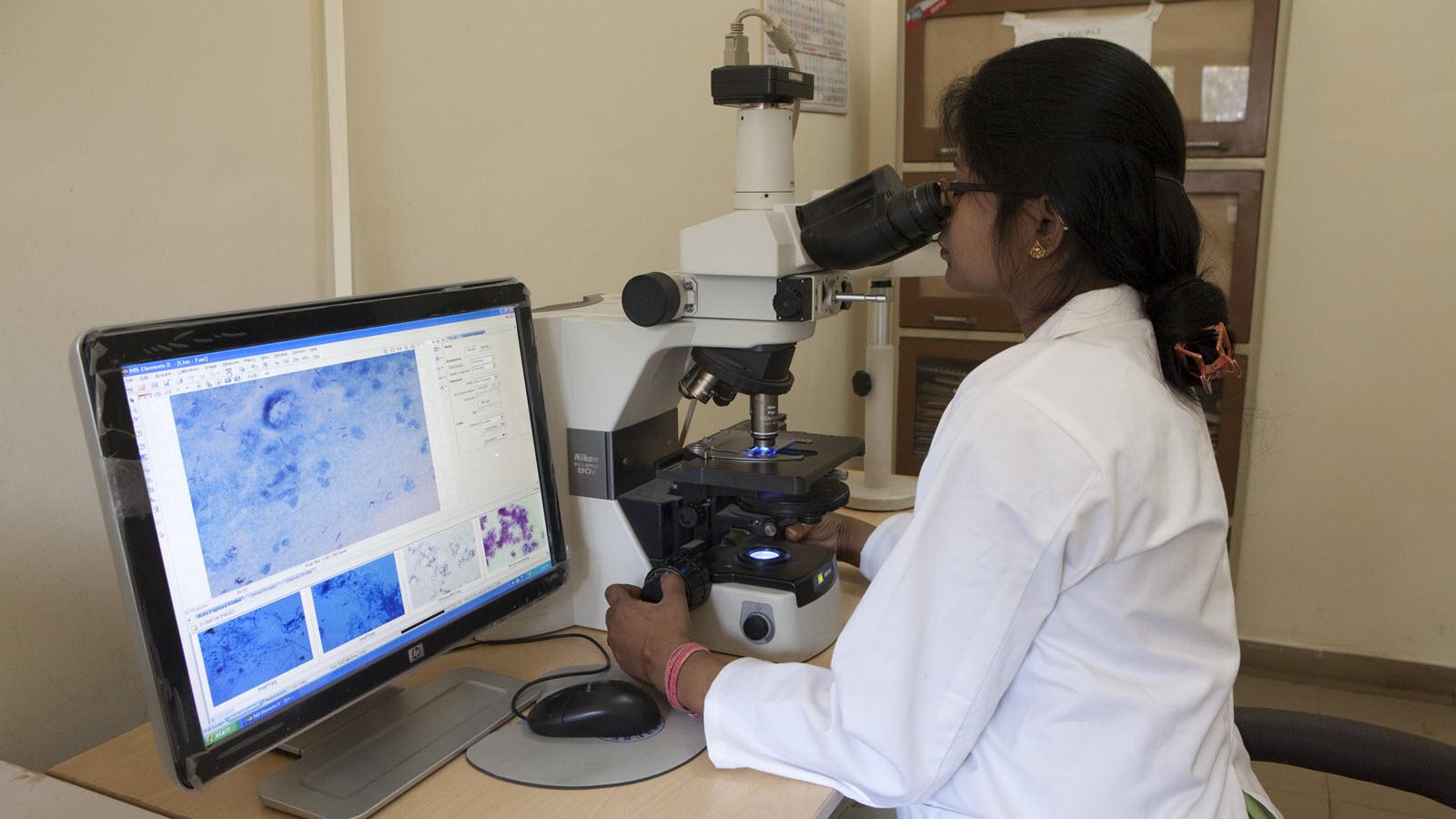
Your liver is one of the hardest-working organs in your body. It helps process nutrients, produces bile for digestion, stores energy and breaks down many substances.
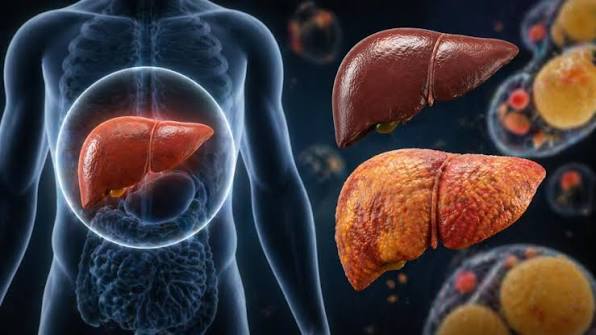
But when excess fat accumulates in liver cells, it can lead to a condition known as fatty liver disease.
Fatty liver can develop silently, without obvious symptoms. Many people discover it during routine blood tests or an ultrasound. The good news is that early lifestyle changes can often reduce liver fat and improve liver health.
What Is Fatty Liver Disease?
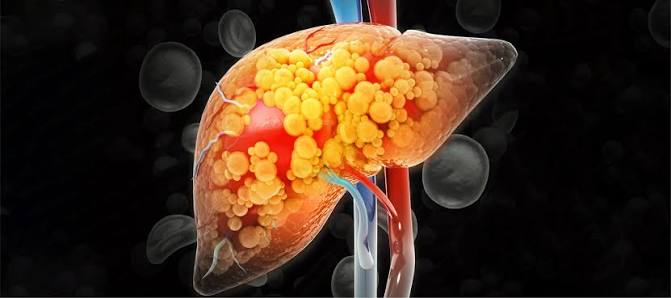
Fatty liver disease occurs when more fat than normal accumulates in the liver. The condition is commonly associated with metabolic risk factors such as excess abdominal fat, insulin resistance, type 2 diabetes and abnormal cholesterol levels.
The form associated with metabolic dysfunction is now commonly called metabolic dysfunction-associated steatotic liver disease (MASLD). Alcohol-related liver disease is another distinct category.
If inflammation and liver-cell injury develop, the condition may progress to a more serious form of liver disease. Over time, some people develop fibrosis, cirrhosis or other complications.
7 Possible Signs of Fatty Liver
Fatty liver often causes no symptoms, especially in its early stages. When symptoms occur, they may include:
1. Persistent fatigue: Some people experience unusual tiredness or low energy.
2. Discomfort in the upper-right abdomen: Mild discomfort may occur near the liver, beneath the right side of the rib cage.
3. A general feeling of weakness: This can accompany liver disease but is not specific to fatty liver.
4. Abdominal swelling: Significant swelling may indicate advanced liver disease or another medical condition and requires prompt assessment.
5. Yellowing of the skin or eyes: Jaundice can indicate a serious liver or bile-duct problem and needs urgent medical evaluation.
6. Swelling in the legs or ankles: This may occur in advanced liver disease, although many other conditions can cause it.
7. Abnormal liver blood tests: Elevated liver enzymes may be detected even when a person feels completely healthy.
These signs are not enough to diagnose fatty liver. A healthcare professional may recommend blood tests, imaging and, when appropriate, additional assessment of liver scarring.
What Causes Fatty Liver?
Several factors can increase the likelihood of developing fatty liver:
- Excess body fat, particularly around the abdomen.
- Insulin resistance or type 2 diabetes.
- High triglycerides or abnormal cholesterol levels.
- A diet consistently high in excess calories, sugary drinks and highly processed foods.
- Physical inactivity.
- Alcohol consumption, depending on the amount and individual risk factors.
- Certain medicines or other medical conditions.
Importantly, fatty liver can also affect people who are not overweight. Body weight alone cannot determine whether someone has the condition.
5 Ways to Help Protect Your Liver
1. Choose a Balanced Diet
Include vegetables, fruits, whole grains, pulses, beans, nuts and appropriate sources of protein. Reduce frequent consumption of sugary drinks, excess added sugar and highly processed foods.
You do not need an expensive detox diet or special liver-cleanse drink. Your liver already performs its own detoxification functions.
2. Exercise Regularly
Walking, cycling, swimming and strength training can support metabolic health and help reduce liver fat.
Aim for around 150 minutes of moderate-intensity physical activity per week, if appropriate for your health and fitness level. Start gradually if you are currently inactive.
3. Manage Blood Sugar and Cholesterol
High blood sugar, insulin resistance and abnormal blood lipids are important risk factors. Regular health check-ups can help identify and manage these problems before complications develop.
4. Work Towards a Healthy Weight if Needed
For people with excess weight, gradual and sustainable weight loss can reduce liver fat. Greater weight loss may be needed to improve inflammation and fibrosis, depending on the individual.
Avoid crash diets and extreme fasting plans. People who are already at a healthy weight should not automatically aim to lose more weight.
5. Be Careful With Alcohol and Supplements
Alcohol can worsen liver problems, so avoiding it is the safest choice if you have liver disease, particularly advanced disease. Discuss your individual situation with your doctor.
Do not assume that herbal remedies, bodybuilding supplements or so-called liver detox products are safe. Some can actually cause liver injury.
Can Fatty Liver Be Reversed?
In many cases, liver fat can decrease significantly with appropriate lifestyle changes and treatment of related conditions. However, the outcome depends on the stage of disease.
Early fatty liver may improve, while advanced fibrosis or cirrhosis requires specialised medical care. Not every person with fatty liver develops severe disease, but monitoring and early management are important.
When Should You See a Doctor?
Consider medical evaluation if you have diabetes, obesity, abnormal liver tests, a family history of liver disease or an imaging report showing fatty liver.
Seek urgent medical attention for yellow eyes or skin, confusion, vomiting blood, black stools or rapidly increasing abdominal swelling.
Conclusion
Fatty liver is a common condition that can develop without obvious warning signs. Understanding its risk factors, maintaining an active lifestyle, eating a balanced diet and managing blood sugar and cholesterol can help protect liver health.
The most important message is simple: do not ignore an abnormal liver test or rely on detox remedies. Early assessment and consistent, evidence-based care offer the best chance of preventing complications.