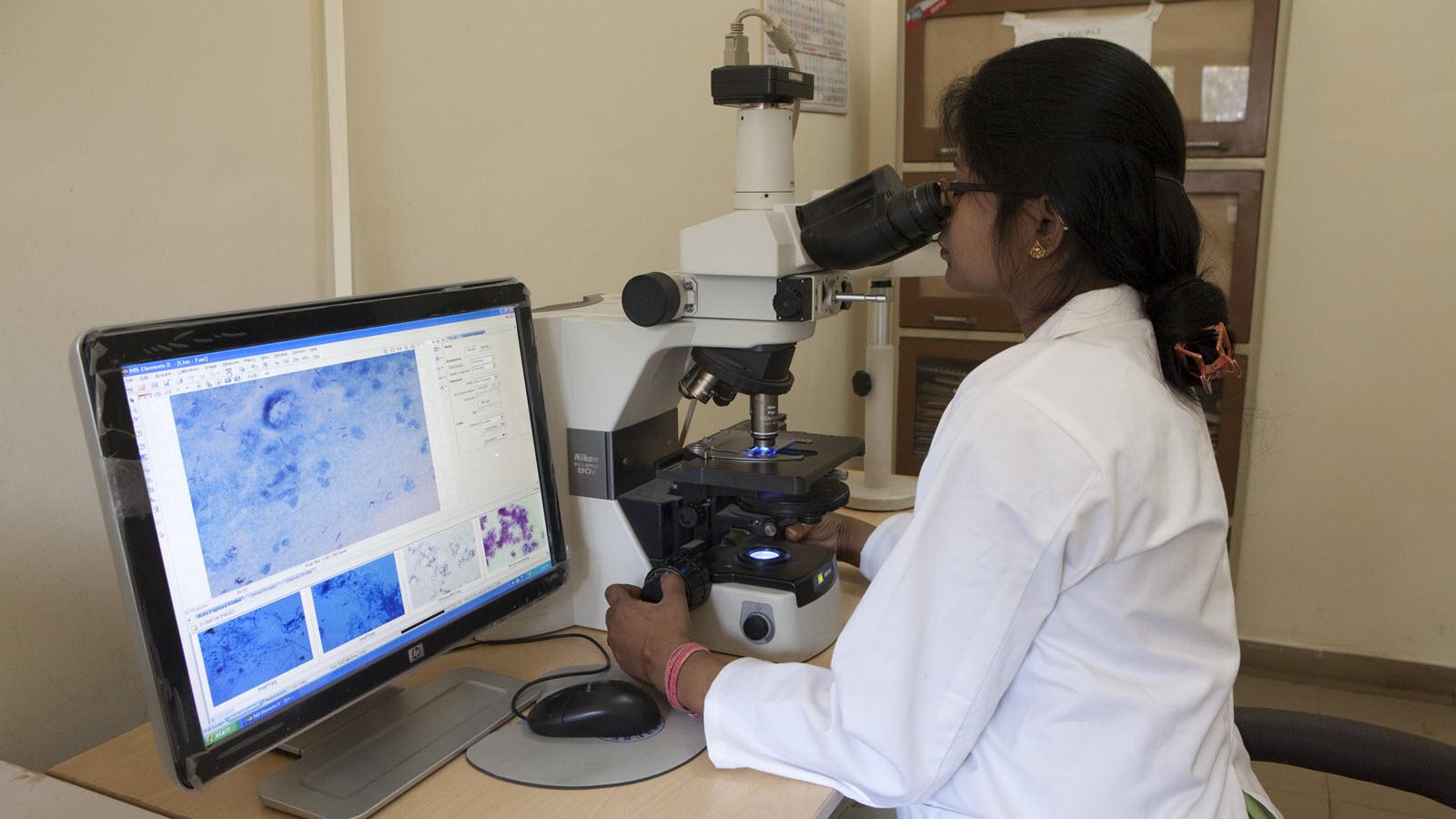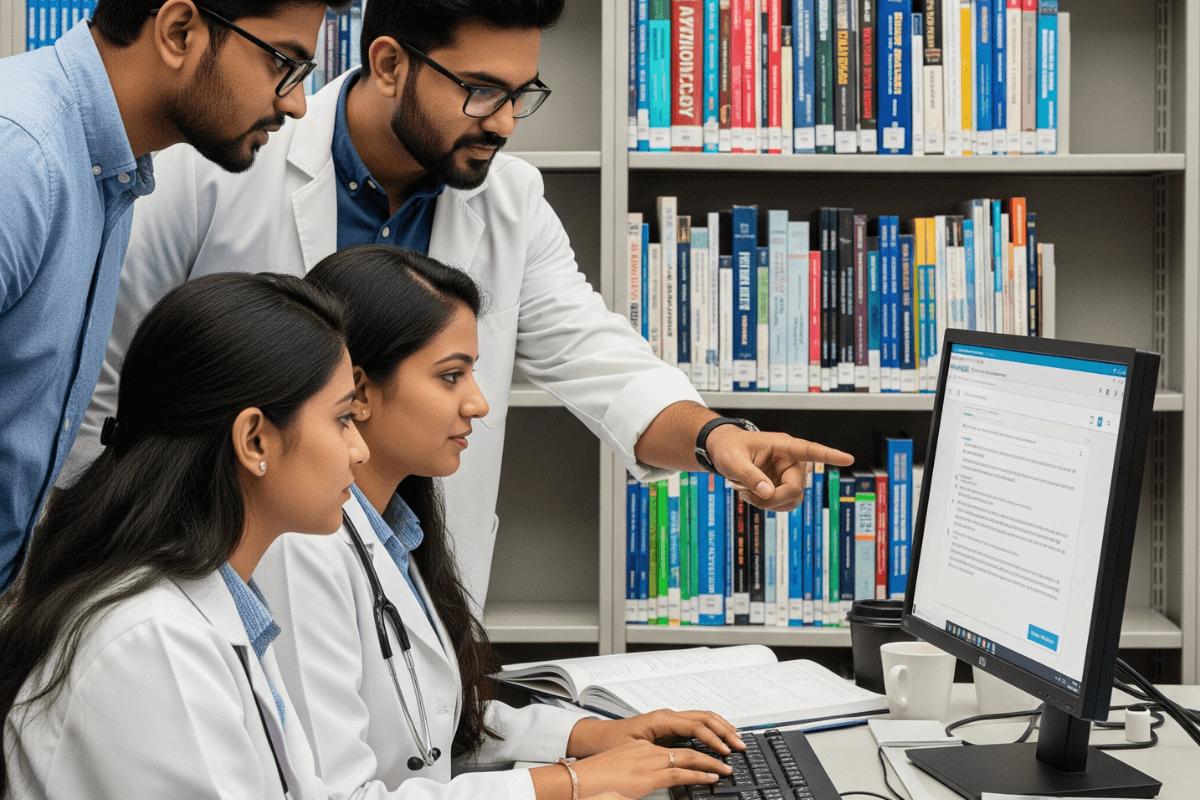
Technology is transforming the healthcare sector, changing how medical professionals learn, conduct research and make informed decisions about patient care.
Introduction
From online medical libraries to digital research databases, access to reliable medical information has become increasingly important for doctors, researchers and healthcare students.
In a recent development, India’s Health Secretary highlighted the importance of digital medical resources in strengthening the country’s medical research culture. At a national conference held in New Delhi on October 9, 2026, officials emphasised the need to improve access to reliable medical information, particularly for medical colleges and institutions in underserved areas.
The initiative reflects a broader effort to make medical knowledge more accessible and support evidence-based healthcare across the country.
As healthcare challenges become more complex, digital resources can help medical professionals keep pace with scientific developments, explore new treatment approaches and improve their understanding of diseases.
Source: Read the original news report on News On AIR
What Are Digital Health Resources?
Digital health resources are electronic tools and information platforms that support healthcare education, research, clinical practice and public health awareness.
These resources include online medical journals, scientific databases, digital libraries, clinical guidelines, electronic learning platforms and research publications.
Unlike traditional printed materials, many digital resources can be accessed remotely, allowing healthcare professionals and students to find relevant information without needing to visit a physical library.
For example, a medical student researching diabetes can use an online scientific database to explore published studies, while a doctor may consult updated clinical guidelines to understand recommended approaches to patient care.
Digital resources can also help researchers compare previous findings, identify gaps in existing knowledge and develop new research questions.
However, not every health-related website provides reliable information. Medical professionals must evaluate the quality, accuracy and relevance of digital sources before using them to guide research or clinical decisions.
Why Are Digital Resources Important for Medical Research in India?
India has a large and diverse healthcare system, with medical institutions operating in metropolitan cities, smaller towns and rural regions. Access to research facilities, specialised publications and advanced learning opportunities can vary considerably between institutions.
Digital resources can help reduce some of these barriers by providing access to scientific knowledge beyond geographical boundaries.

1. Improved access to scientific publications
Medical research depends on the availability of accurate and up-to-date scientific evidence. Digital libraries can make research papers, medical journals and academic publications easier to discover.
This enables researchers to review earlier studies, understand established findings and identify areas that require further investigation.
Greater access to scientific literature may also help reduce duplication of research and encourage institutions to build upon existing evidence.
2. Better opportunities for medical students
Medical students need to understand both established medical knowledge and emerging developments in healthcare.
Digital learning platforms allow students to explore educational materials, research publications and clinical learning resources alongside their formal studies.
These tools can support independent learning, improve research skills and help students understand how scientific evidence is developed and evaluated.
3. Support for healthcare professionals
Doctors and other healthcare professionals must continually update their knowledge as medical evidence and clinical recommendations evolve.
Access to trusted digital resources can help them review new research, understand updated guidelines and explore evidence relevant to particular clinical questions.
These resources support professional learning, although clinical decisions must still consider the individual patient’s condition, medical history and professional assessment.
4. Reduced geographical barriers
Healthcare professionals working in smaller towns and rural regions may have fewer opportunities to access extensive physical medical libraries or attend specialised academic events.
Digital platforms can make selected research materials and educational resources available remotely, depending on internet connectivity, institutional subscriptions and access permissions.
Improving this access could help more institutions participate in medical learning and research.
How Digital Technology Is Changing Healthcare Research
Digital health resources are part of a wider transformation in how medical research is conducted. Researchers increasingly use digital tools to organise information, analyse data and collaborate with colleagues.
Online research databases: These help scientists discover relevant studies, review previous findings and assess the available evidence before beginning new projects.
Electronic medical records: When appropriately authorised and protected, electronic records can support clinical research by helping researchers analyse patterns in health conditions, treatment and outcomes.
Telemedicine platforms: Remote consultations can improve access to healthcare professionals and may support research into service delivery and patient access.
Data analysis tools: Statistical software and other digital applications help researchers examine datasets, identify trends and evaluate research hypotheses.
Artificial intelligence: AI tools may assist with tasks such as organising medical literature, analysing selected datasets and identifying patterns. Their outputs require careful validation because errors, bias and incomplete information can affect results.
Together, these technologies can improve the efficiency of some research activities. However, they do not eliminate the need for sound research methods, qualified professionals, ethical oversight or independent verification.
The Role of Reliable Medical Information
The growing availability of online health information brings both opportunities and risks. While digital resources can help people learn about diseases and prevention, inaccurate or misleading information can cause confusion and potentially harmful decisions.
Medical researchers and healthcare professionals therefore need to assess sources carefully.
Reliable medical information generally comes from peer-reviewed research, recognised medical journals, established academic institutions and official public health organisations.
Researchers should also examine how a study was conducted, the size and characteristics of its participant group, its limitations and whether other studies support its findings.
A single study does not always establish that a treatment is effective or that a particular health claim is correct. Research findings often require replication and further evaluation before they can inform routine medical practice.
For the public, the same principle applies: information found online should not replace consultation with a qualified healthcare professional, particularly when symptoms are serious or treatment decisions are involved.
Challenges in Expanding Digital Health Resources
Although digital resources offer significant benefits, several challenges must be addressed to make them useful and accessible across India.
Internet connectivity and infrastructure
Reliable internet access, appropriate devices and technical infrastructure are essential for using digital learning and research platforms. Institutions with limited resources may need additional investment to overcome these barriers.
Training and digital literacy
Access to information is only useful when people know how to find, understand and evaluate it. Medical students, researchers and healthcare professionals may benefit from training in digital research methods, information literacy and data analysis.
Research costs and access restrictions
Some scientific journals and databases require subscriptions or institutional access. Expanding affordable access to reliable publications could help more researchers participate in academic work.
Data privacy and security
Healthcare research may involve sensitive patient information. Institutions must follow applicable privacy requirements, obtain appropriate consent where required and implement suitable safeguards to prevent unauthorised access or disclosure.
Misinformation and AI-generated errors
Digital platforms can spread inaccurate medical claims quickly. AI-generated summaries and recommendations may also contain errors or omit important context. Human review, source verification and responsible use are therefore essential.
Addressing these challenges will be important if digital healthcare initiatives are to produce meaningful and equitable benefits.
How Digital Health Resources Can Benefit Patients
Although digital medical resources are often designed for professionals and researchers, their benefits may also reach patients indirectly.
When healthcare professionals have better access to trustworthy evidence and educational materials, they may be better equipped to discuss treatment options, explain medical conditions and support informed decision-making.
Digital health platforms can also help people access health education, appointment services and selected remote consultations.
However, patients should distinguish between general health education and personalised medical advice. An online article cannot reliably diagnose every condition, and information shared through digital platforms must be evaluated for credibility and relevance.
Patients can protect themselves by using recognised medical sources, checking publication dates and discussing important treatment decisions with qualified healthcare professionals.
The Future of Digital Healthcare Research in India
The growing focus on digital medical resources reflects an important opportunity for India’s healthcare and research sectors.
Better access to scientific literature, stronger digital infrastructure and improved research training could help institutions collaborate more effectively and support a broader range of medical investigations.
In the coming years, digital tools may play an increasingly important role in medical education, disease surveillance, clinical research and evidence-based healthcare. AI-assisted research and advanced data analysis could also create new opportunities, provided that their use is supported by appropriate validation, privacy protections and ethical standards.
The success of these efforts will depend not only on technology but also on investment, institutional cooperation, professional training and equal access to reliable information.
It is important to distinguish the goals of such initiatives from proven outcomes. Expanding digital resources can support research, but measurable improvements in patient care depend on how effectively the available evidence is translated into clinical practice.
Conclusion
Digital health resources are becoming an important part of India’s efforts to strengthen medical education, scientific research and healthcare delivery.
The recent emphasis on improving access to reliable medical information highlights the need to connect healthcare professionals and research institutions with high-quality scientific knowledge. Digital libraries, research databases and online learning platforms can help reduce information barriers, support professional development and encourage collaboration.
At the same time, digital access must be accompanied by reliable infrastructure, research training, data protection and careful evaluation of medical evidence.
Ultimately, technology is a tool rather than a replacement for scientific judgement. When used responsibly, digital health resources can help strengthen medical research and contribute to better-informed healthcare decisions across India.
Disclaimer: This article is intended for general educational and informational purposes. It does not constitute medical advice or replace consultation with a qualified healthcare professional.