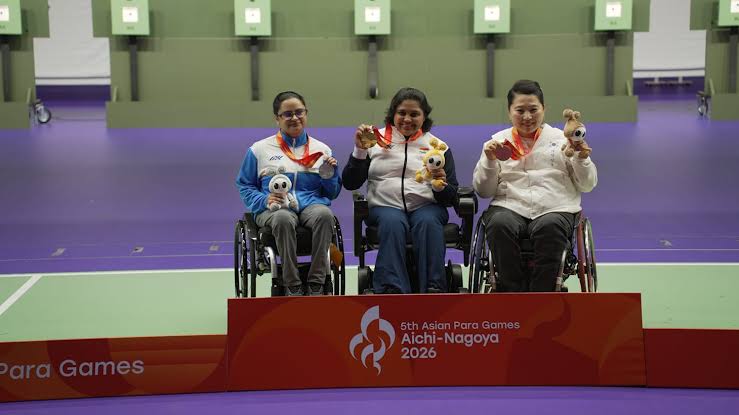
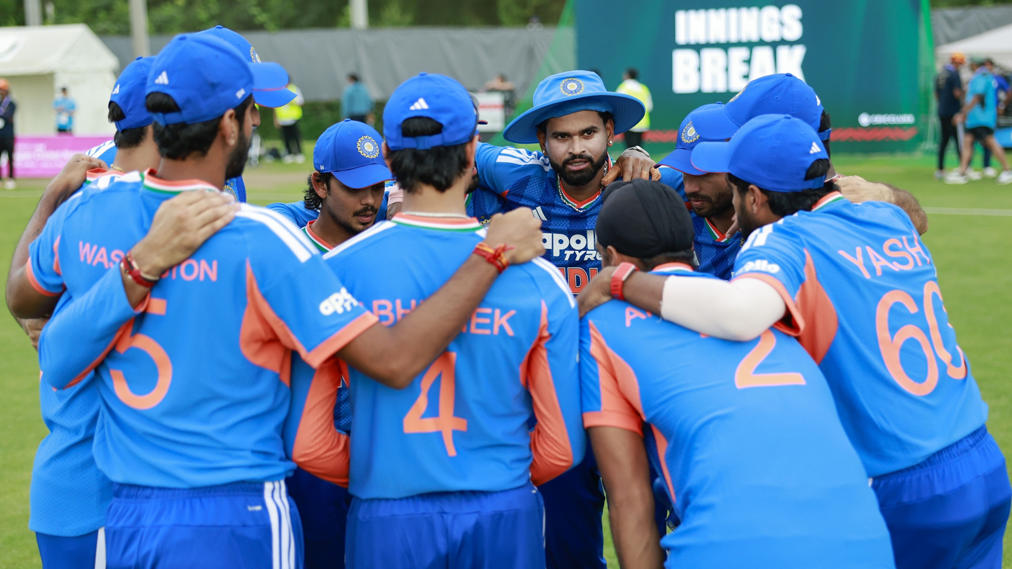
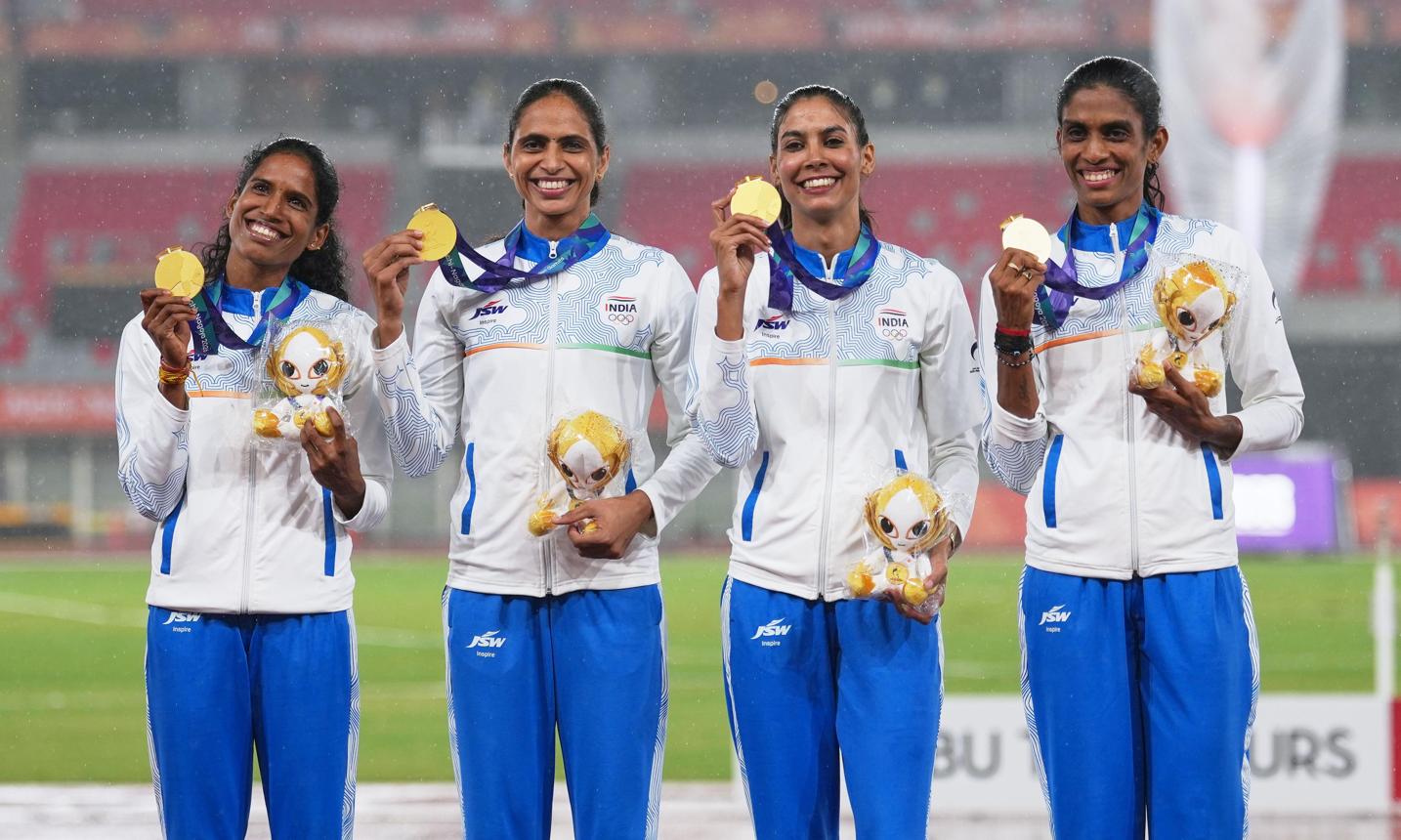
Sports have always represented determination, discipline, and the pursuit of excellence.
Introduction
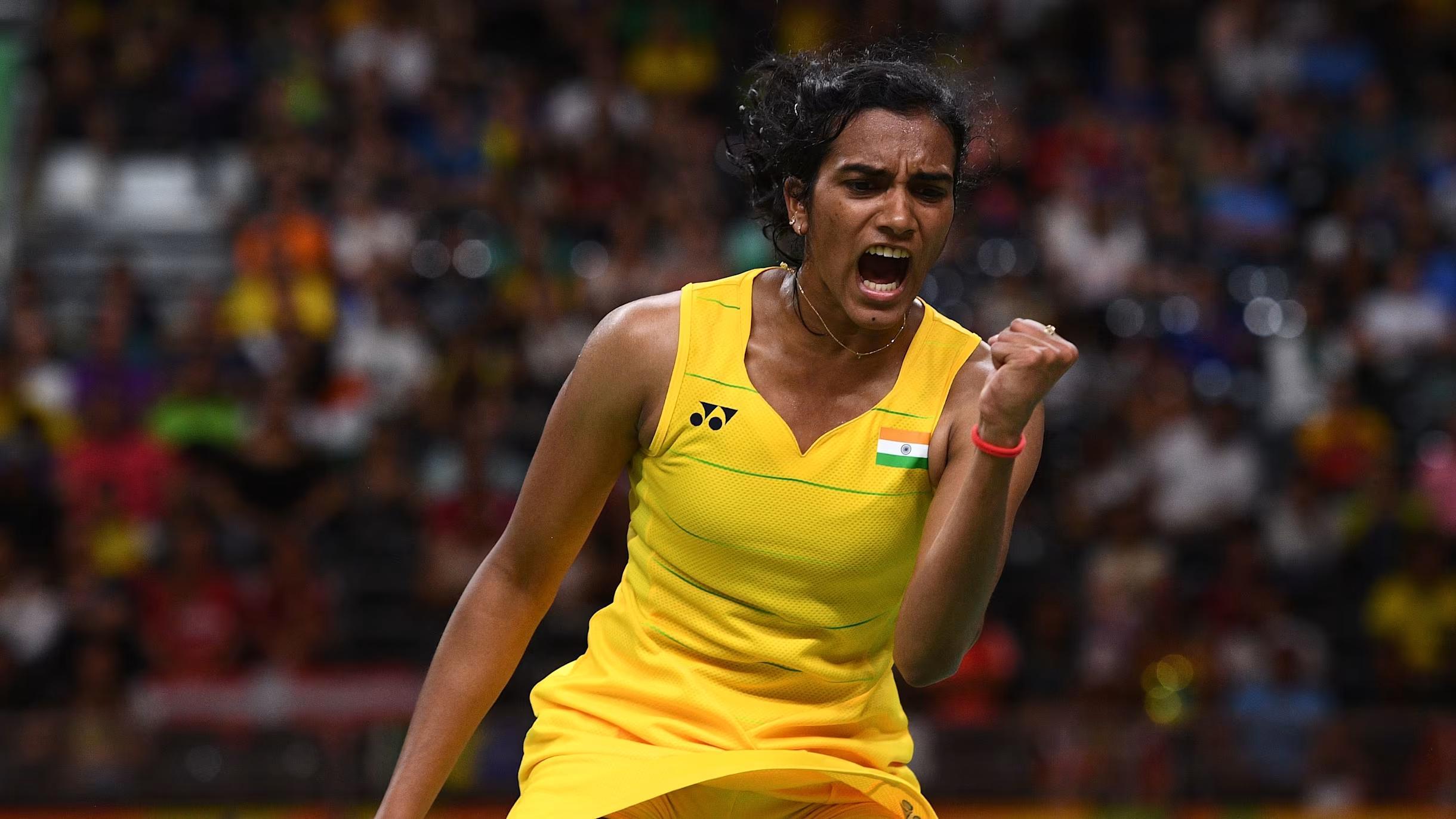
Today, women’s sports are attracting increasing attention as female athletes achieve remarkable milestones, challenge traditional expectations, and inspire young people to participate in competitive sports.
From cricket and football to badminton, athletics, tennis, and wrestling, women are demonstrating that talent and dedication can break barriers. Their achievements are also encouraging conversations about equal opportunities, professional support, and the future of sports.
1. Growing Recognition for Female Athletes
Women’s sporting competitions are gaining greater visibility through television coverage, digital platforms, sponsorships, and social media. As more competitions reach wider audiences, athletes have increased opportunities to showcase their skills and build strong fan communities.
In India, women’s cricket has become an especially visible example of this progress. Performances by established players and emerging talents have helped attract new audiences and strengthen interest in the sport.
Greater visibility matters because recognition can encourage investment, improve career opportunities, and motivate younger athletes.
2. The Importance of Role Models
Successful athletes can have an influence beyond the playing field. They demonstrate the value of preparation, resilience, teamwork, and confidence.
When young girls see women competing at the highest level, they can begin to imagine similar opportunities for themselves. Athletes also show that setbacks, injuries, and defeats are part of development rather than reasons to give up.
Role models are especially important in communities where girls may have limited access to sporting facilities or organised coaching.
3. The Challenges Women in Sports Still Face
Despite progress, female athletes continue to encounter challenges that can affect their development and careers.
These may include unequal access to training facilities, limited funding, fewer sponsorship opportunities, insufficient media coverage, and inadequate support during injuries or pregnancy.
Some athletes also face social expectations that discourage girls from pursuing sports professionally.
Addressing these challenges requires investment from sports organisations, schools, sponsors, governments, and local communities. Fair selection processes, safe training environments, quality coaching, and professional support can help athletes perform at their best.
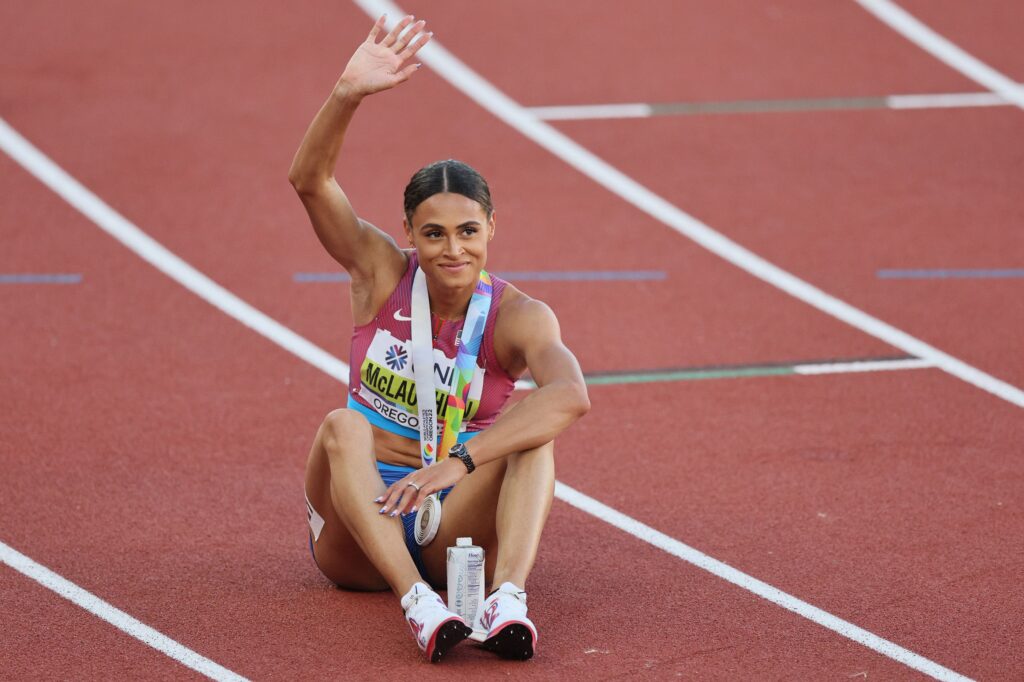
4. The Role of Schools and Families
Schools and families can make a major difference by encouraging children to participate in sports without treating athletic ability as something limited by gender.
Providing access to playgrounds, equipment, coaching, and competitions helps young athletes develop confidence and discipline. Schools can also create opportunities for girls to explore different sports before choosing the activities they enjoy most.
Families should recognise that sports can support physical fitness, social development, leadership, and emotional resilience, whether or not a child eventually becomes a professional athlete.
5. Technology Is Changing Women’s Sports
Technology is creating new opportunities to improve training and performance. Video analysis, wearable devices, fitness tracking, and data analytics can help athletes and coaches understand movement, measure progress, and plan training sessions.
Digital platforms also make it easier for fans to follow competitions, discover new athletes, and engage with sporting communities.
However, access to these technologies remains uneven, making affordable facilities and professional resources important parts of developing women’s sports.
6. What the Future Holds
The future of women’s sports depends on continued investment, consistent media attention, equal opportunities, and strong development programmes.
Professional leagues can create career pathways, while grassroots initiatives can help identify and nurture talent at an early age. Better facilities and more inclusive sporting environments can ensure that young athletes have a genuine opportunity to succeed.
Progress should be measured not only by medals and championship victories but also by participation, safety, fair compensation, and the availability of long-term career opportunities.
Conclusion
The rise of women’s sports represents an important step towards a more inclusive sporting culture. Female athletes are inspiring new generations through their performances, dedication, and determination to overcome obstacles.
Supporting women’s sports means more than celebrating victories. It means creating an environment in which every talented athlete has the opportunity to train, compete, and achieve her potential.