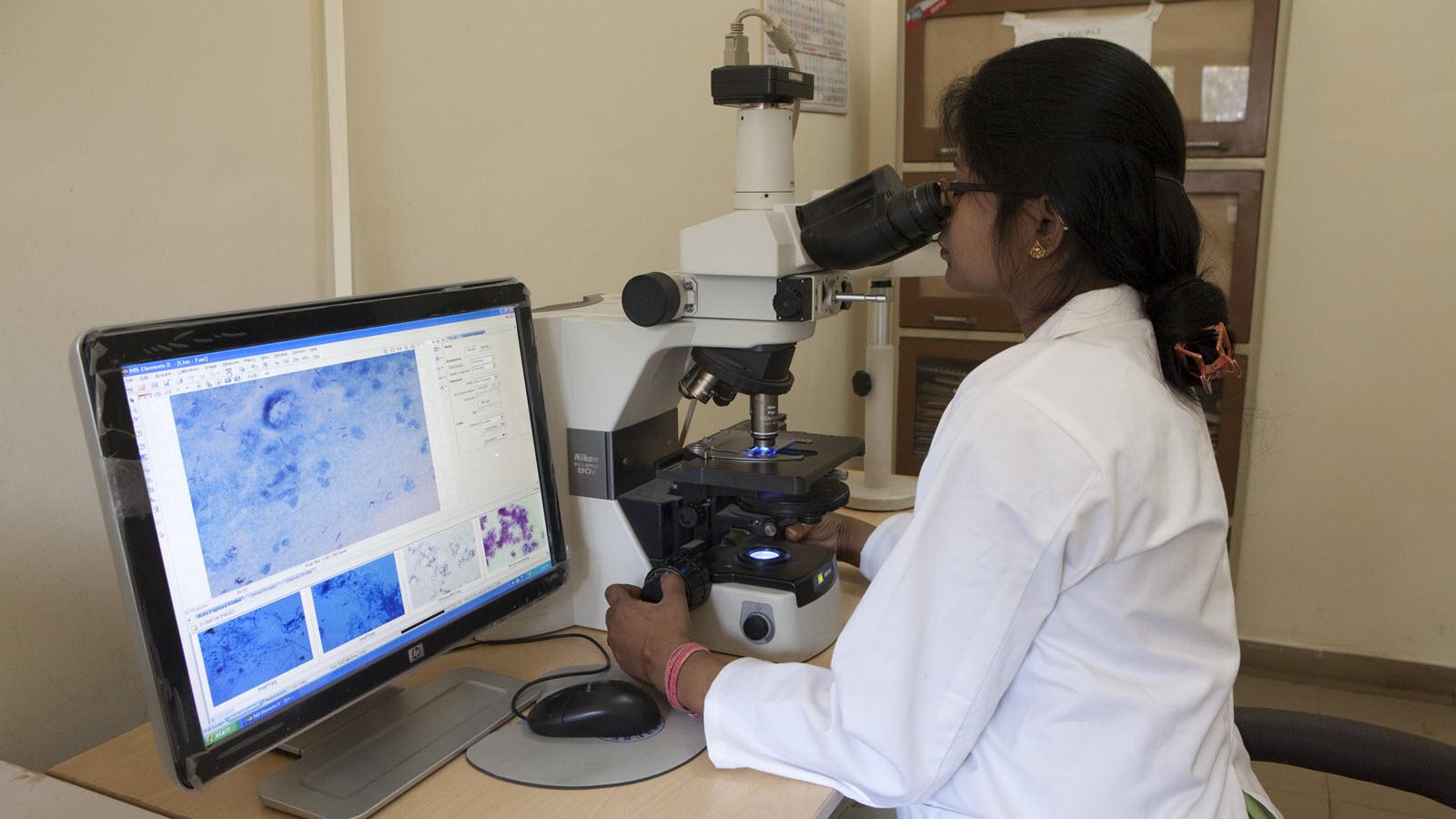
A healthy immune system helps the body defend itself against infections and other harmful organisms.

Introduction
Boost Your Immunity Naturally – Although no single food, drink, or supplement can guarantee protection from illness, a balanced lifestyle supports the normal functioning of the immune system.
Developing healthy daily habits is one of the most practical ways to support your body’s natural defences.
1. Eat a Balanced and Nutritious Diet
Your immune system relies on several nutrients to function properly. Include a variety of fruits, vegetables, whole grains, pulses, dairy products or suitable alternatives, nuts, and seeds in your meals.
Vitamin C sources include oranges, guavas, amla, and capsicum. Protein-rich foods such as lentils, beans, eggs, dairy products, and tofu help the body maintain and repair tissues.
A varied diet is generally more beneficial than relying on a single so-called immunity-boosting food.
2. Stay Hydrated Throughout the Day
Water supports digestion, circulation, temperature regulation, and many other essential bodily functions. Dehydration can contribute to fatigue, headaches, and reduced physical performance.
Drink water regularly throughout the day, increasing your intake when the weather is hot or you are physically active. Individual fluid needs vary according to health, activity, and climate.
3. Get Enough Sleep
Sleep is essential for immune function and recovery. Adults generally need seven to nine hours of sleep per night, while teenagers may need more.
To improve sleep quality, maintain a consistent sleep schedule, limit caffeine late in the day, and avoid heavy meals immediately before bedtime.

4. Exercise Regularly
Moderate physical activity supports general health and may help regulate immune function. Walking, cycling, dancing, yoga, and strength training are useful ways to remain active.
Start gradually if you are new to exercise. Allow adequate recovery and avoid pushing through severe fatigue or illness.
5. Manage Stress and Mental Well-Being
Persistent stress can affect sleep, appetite, and other behaviours that influence overall health. Activities such as meditation, breathing exercises, journaling, and connecting with friends or family may help reduce stress.
If stress, anxiety, or low mood continues to interfere with daily life, consider seeking support from a qualified mental health professional.
6. Follow Good Hygiene and Preventive Care
Healthy habits extend beyond food and exercise. Wash your hands with soap, maintain good food hygiene, avoid smoking, and keep recommended vaccinations up to date.
Supplements may be helpful when a nutritional deficiency or specific medical need exists, but taking excessive amounts can be harmful. Consult a qualified healthcare professional before starting high-dose supplements.
Conclusion
Supporting your immune system is about maintaining healthy routines rather than searching for a quick fix. Eating a varied diet, staying hydrated, sleeping well, exercising regularly, and following preventive healthcare advice can contribute to better overall health.
Consistency matters more than perfection. Start with one or two achievable habits and gradually build a healthier routine.