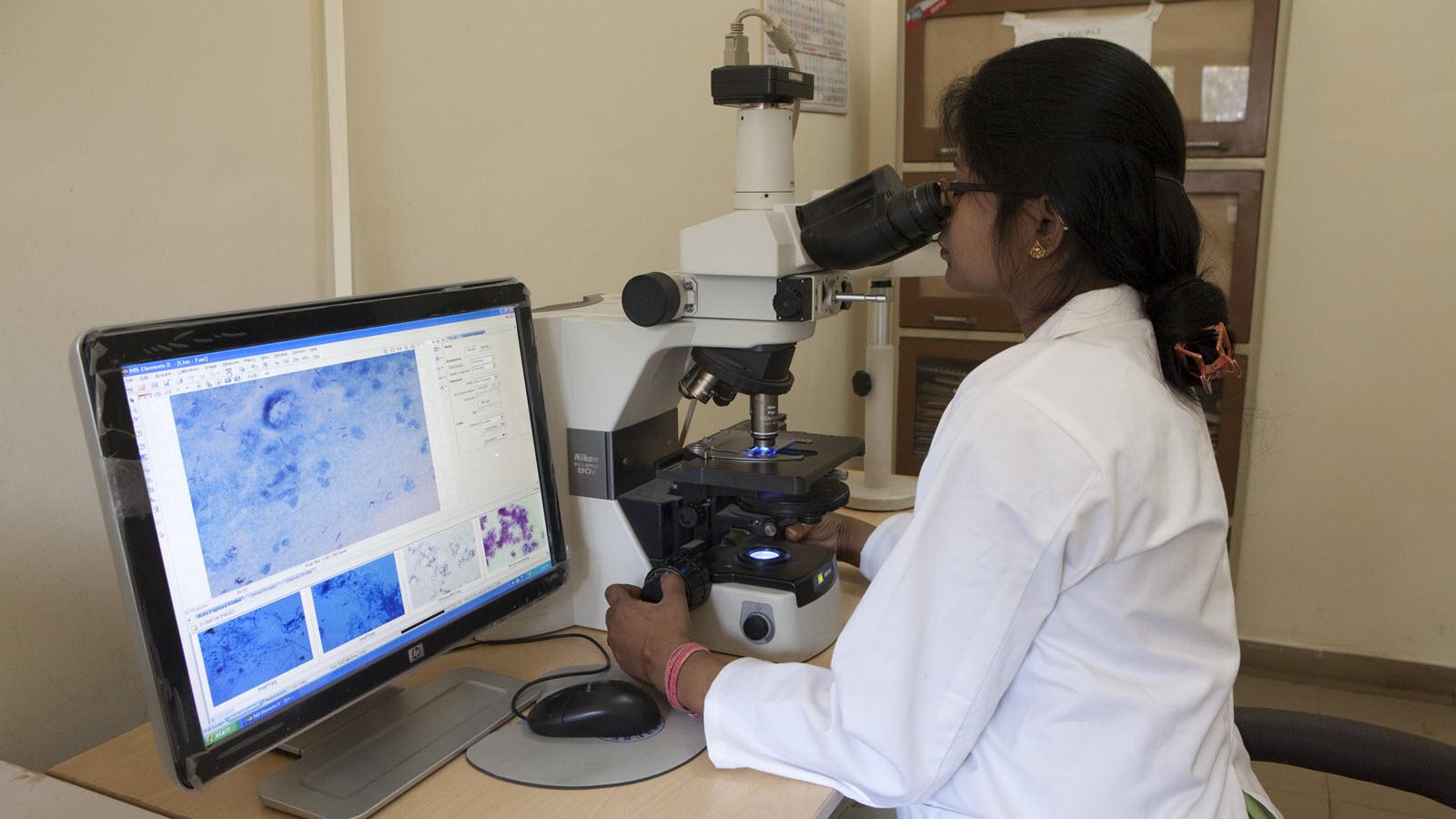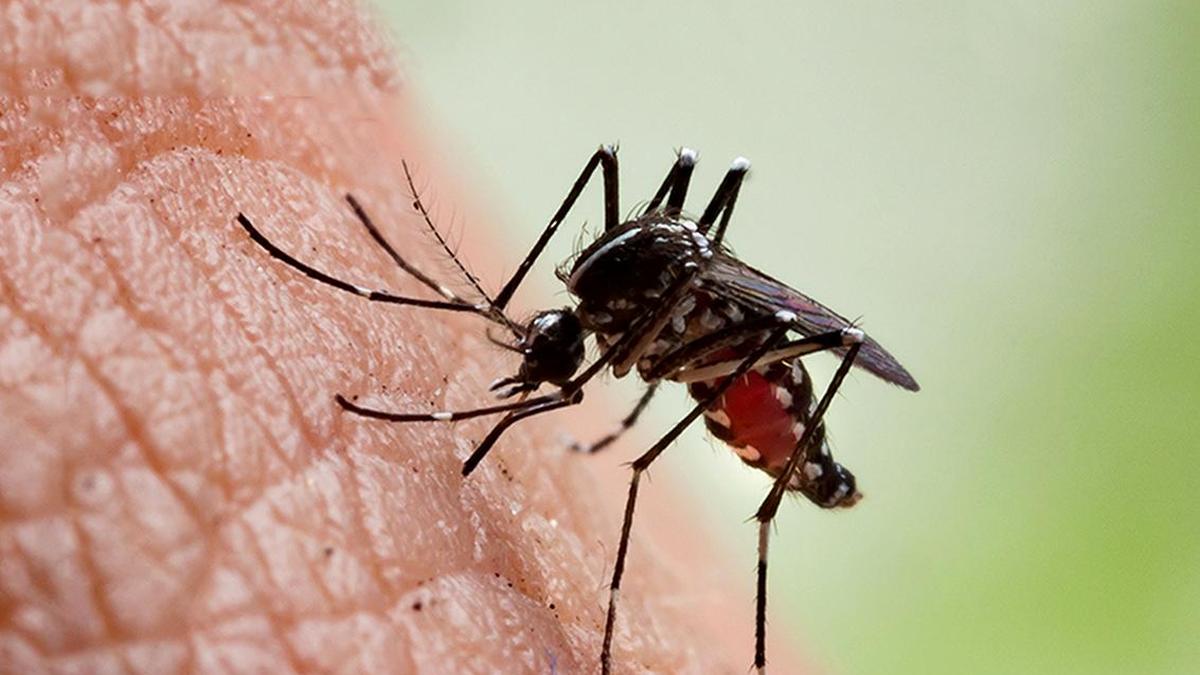
Tamil Nadu continues to report a steady number of dengue cases, with the State recording around 200 cases a day, according to the Directorate of Public Health and Preventive Medicine (DPH). The situation is being closely monitored as health authorities continue measures to control mosquito breeding and prevent further transmission.
The reported trend comes during a period when weather conditions and rainfall can create favourable environments for mosquito breeding, making dengue prevention an important public-health priority.
Dengue Cases Remain Steady
Health authorities have indicated that dengue infections in Tamil Nadu are currently being reported at a relatively consistent rate rather than showing a sharp sudden increase.
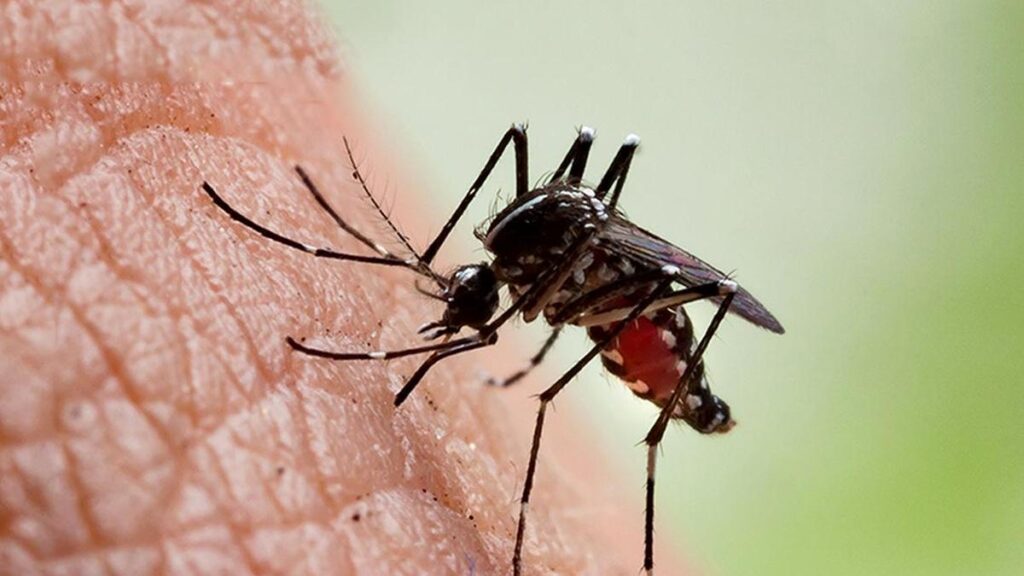
With around 200 cases being reported daily, surveillance remains important, particularly in areas where stagnant water can provide breeding sites for Aedes mosquitoes, which transmit dengue.
The State’s health machinery continues to track cases and take preventive measures at the local level.
Why Dengue Prevention Matters
Dengue is a mosquito-borne viral infection that can cause symptoms such as:
- High fever
- Severe headache
- Pain behind the eyes
- Muscle and joint pain
- Nausea
- Skin rash
- Fatigue
Most people recover with appropriate medical care, but some infections can become severe and require hospitalisation.
Early medical evaluation is particularly important when a person develops persistent high fever or warning signs such as bleeding, severe abdominal pain, repeated vomiting, extreme weakness or unusual drowsiness.
Rainfall and Mosquito Breeding
One of the major challenges in controlling dengue is the availability of mosquito breeding sites.
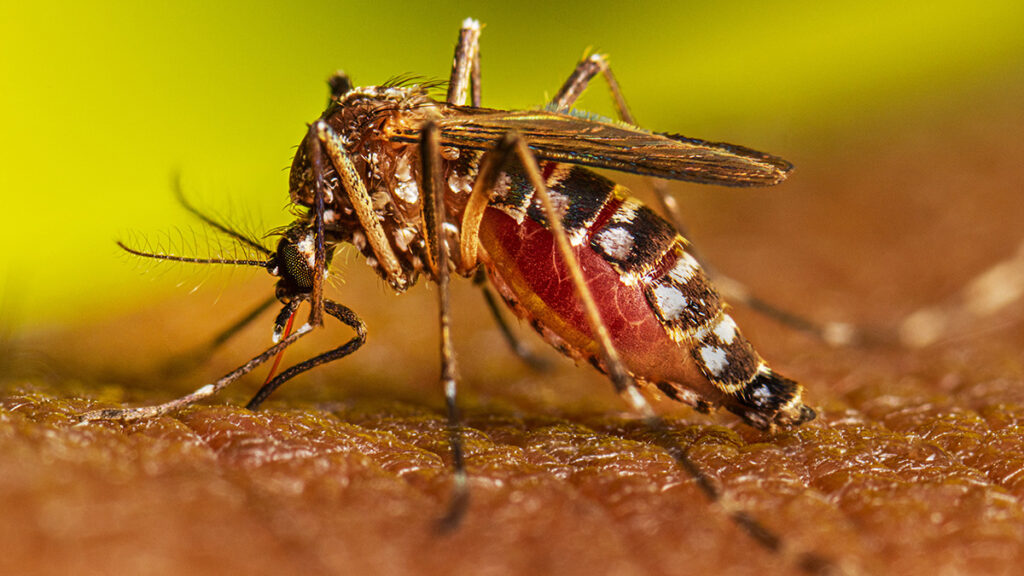
Aedes mosquitoes can breed in relatively small collections of stagnant water, including water stored in containers, discarded items, tyres and other household or outdoor objects.
Regularly removing stagnant water can therefore form an important part of community-level dengue prevention.
What Can Residents Do?
Individuals and families can support dengue-control efforts by taking simple precautions around their homes and workplaces.
1. Remove Stagnant Water
Check areas such as:
- Flower pots and trays
- Buckets and containers
- Coolers
- Open tanks
- Discarded tyres
- Rooftops and drains
Water that is not required should be emptied regularly.
2. Keep Water Containers Covered
Stored water should be kept properly covered to reduce opportunities for mosquitoes to lay eggs.
3. Use Mosquito Protection
People can reduce mosquito bites by using appropriate mosquito repellents, screens, nets and protective clothing, particularly where mosquito activity is high.
4. Seek Medical Advice for Persistent Fever
People experiencing symptoms consistent with dengue should consult a healthcare professional rather than relying solely on self-medication.
Role of Health Authorities
Controlling dengue requires coordinated action between public-health authorities and communities. Surveillance helps authorities identify areas experiencing increased transmission, while mosquito-control activities can focus on locations where breeding is detected.
Public awareness is also important because many breeding sites can occur around homes and neighbourhoods.
Why Monitoring the Situation Is Important
A steady daily number of cases does not mean that dengue transmission can be ignored. Dengue activity can change depending on factors such as rainfall, temperature, mosquito density, human movement and local control measures.
Continued surveillance allows health officials to respond to changes in disease patterns and strengthen preventive measures where necessary.
Conclusion
Tamil Nadu is currently recording around 200 dengue cases a day, with health officials describing the numbers as steady. The situation highlights the continued need for surveillance, mosquito-control measures and public awareness.
For residents, eliminating stagnant water, preventing mosquito bites and seeking timely medical attention for persistent fever remain important steps in reducing the impact of dengue.