A recent study involving 1,020 adults in Chennai has highlighted an important message for people concerned about high cholesterol: genetic risk does not tell the whole story, and the quality of everyday food choices matters.
Reported by The Indian Express on October 24, 2026, the research examined how dietary habits interact with genetic factors associated with cholesterol levels. The findings were published in the journal PLOS ONE.
What Did the Study Discover?
Researchers examined adults aged 25 to 80 and assessed their genetic risk alongside the quality of their diets. The analysis focused on total cholesterol and low-density lipoprotein (LDL), commonly known as bad cholesterol.
The findings suggested that participants with a higher genetic risk had higher total and LDL cholesterol levels when they followed a low-quality diet. However, this relationship was not statistically significant among participants whose diets were of medium or high quality.
This finding is important because many people assume that a family history of high cholesterol means they will inevitably develop the condition. Genetics can influence cholesterol levels, but daily habits may also affect how that risk appears.
The study does not mean that diet can eliminate inherited risk in every individual. Instead, it highlights the potential benefits of improving overall dietary quality.
Why Is High Cholesterol a Serious Health Concern?
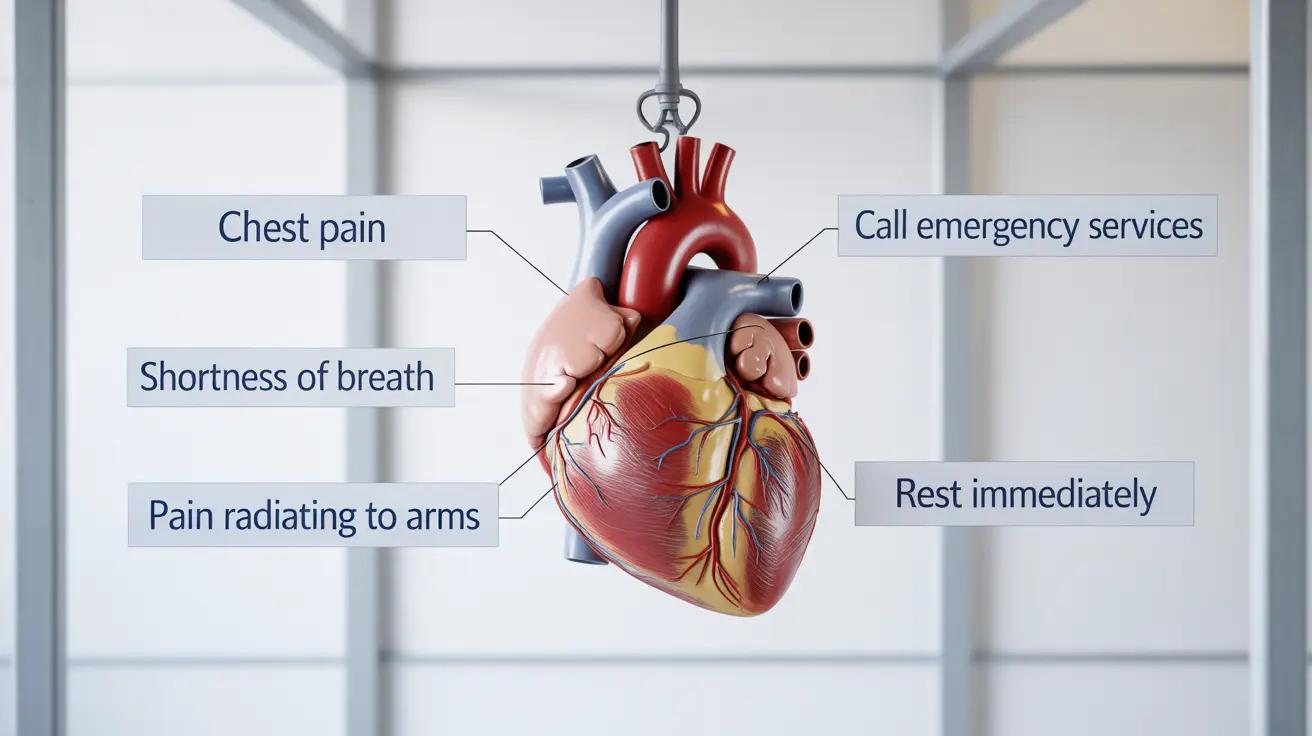
Cholesterol is a fatty substance that the body needs to build cells and produce certain hormones. However, excessive LDL cholesterol can contribute to plaque buildup in artery walls, increasing the risk of cardiovascular disease.
High cholesterol often develops without obvious symptoms. A person may feel completely healthy while their cholesterol levels remain elevated. This makes appropriate screening and preventive care especially important.
Other factors, including physical inactivity, smoking, diabetes, age, and family history, can also influence cardiovascular risk.
How Can Everyday Indian Food Habits Make a Difference?
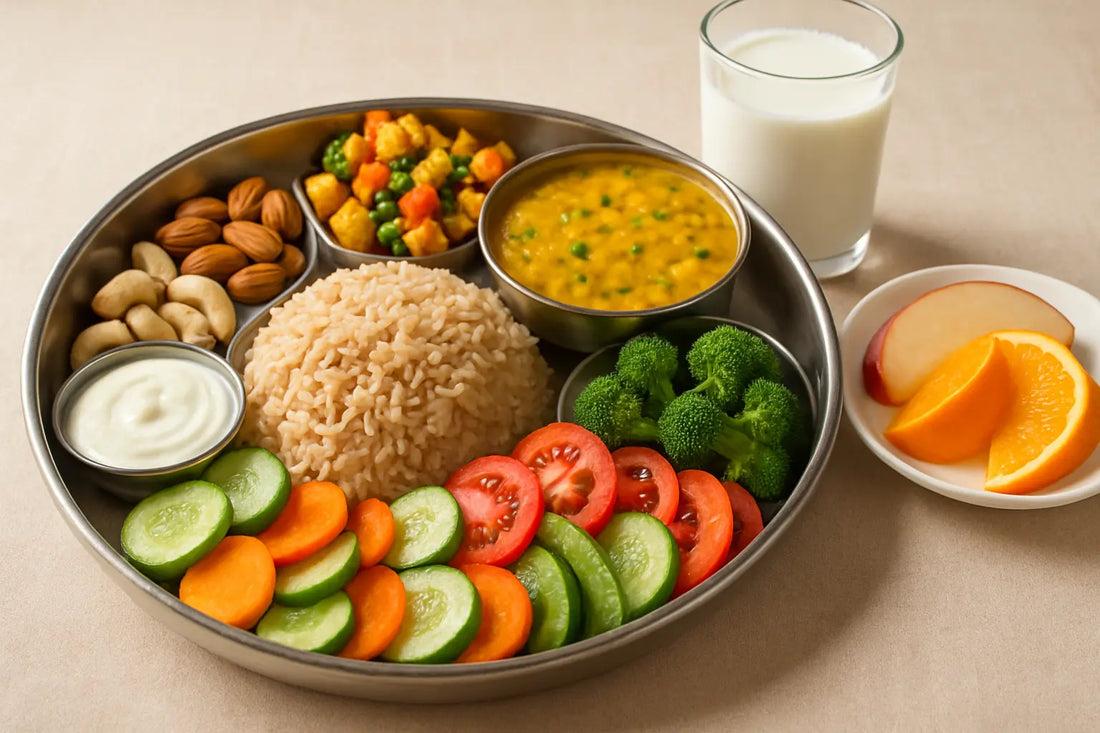
The research highlights the importance of the overall diet rather than blaming one particular food. Traditional Indian meals can provide plenty of nutrients when they include a suitable balance of vegetables, pulses, whole grains, protein sources, and healthy fats.
Here are some practical changes worth considering:
- Choose more whole grains: Replace some refined grains with options such as whole-wheat roti, oats, or less-refined rice.
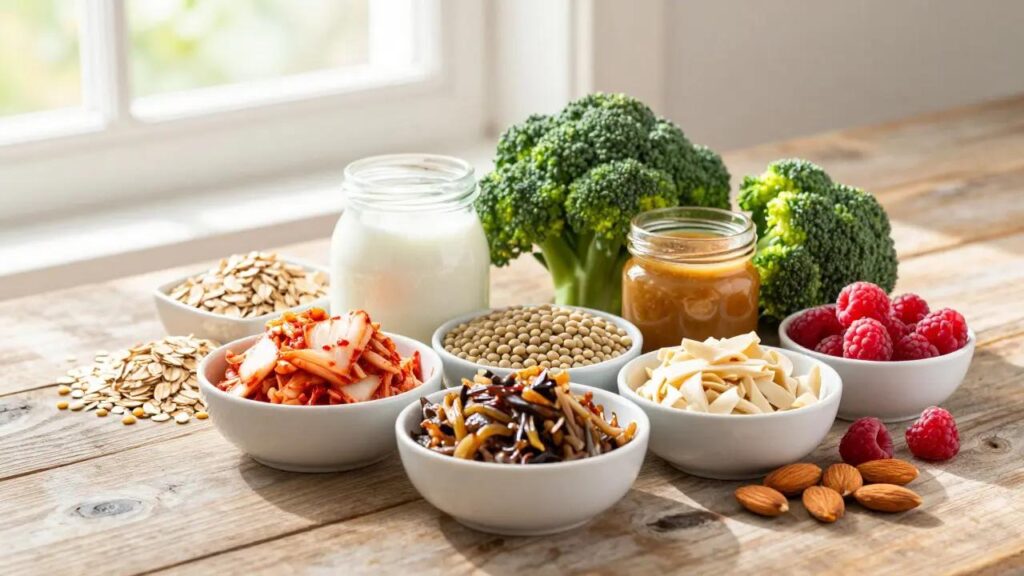
- Eat more fibre-rich foods: Include vegetables, fruits, beans, chickpeas, lentils, and other pulses.
- Reduce excessive added sugar: Limit sugary drinks, sweets, and frequent consumption of highly processed snacks.
- Pay attention to fats: Reduce excessive saturated and trans fats, and use unsaturated fats in appropriate quantities.
- Balance your meals: Combine carbohydrate-rich foods with vegetables and protein sources rather than relying heavily on one food group.
- Stay physically active: Regular walking, cycling, or other suitable exercise can support cardiovascular health.
The researchers and clinicians discussed in the report emphasised dietary quality and balance, not the complete elimination of carbohydrates or any single traditional food.
Does a Family History of High Cholesterol Mean You Are at Risk?
A family history can increase the likelihood of developing high cholesterol, but it does not determine an individual’s outcome with certainty.
People with a strong family history of early heart disease or very high cholesterol should discuss appropriate screening with a healthcare professional. Depending on their risk, lifestyle changes alone may not be sufficient, and medication may be necessary.
It is also important to avoid self-diagnosis. Cholesterol levels can only be properly assessed through appropriate testing and interpreted in the context of an individual’s overall health.
What Should Readers Take Away From This Research?
The central message is encouraging: small, sustainable changes in eating habits can support long-term health, even for people who may have inherited risk factors.
A healthier plate does not need to be expensive or complicated. Home-cooked meals containing dal, vegetables, whole grains, seasonal fruits, and suitable protein sources can be part of a balanced diet.
Conclusion
The Chennai study reinforces the importance of looking beyond genetics when thinking about cholesterol and heart health. While inherited factors remain important, dietary quality, exercise, screening, and appropriate medical care all contribute to managing cardiovascular risk.
Rather than waiting for symptoms or assuming that high cholesterol is unavoidable, people can take practical steps today to support their long-term well-being.