Fashion is an important part of everyday life. The clothes people wear can express personality, culture, creativity and confidence.
Introduction
However, constantly changing trends and frequent shopping can also lead to crowded wardrobes, unnecessary spending and increased clothing waste.
In 2026, sustainable fashion continues to attract attention as consumers reconsider how they purchase, use and maintain their clothes. Recent lifestyle coverage in India has highlighted practical choices such as wearing existing outfits more frequently, repairing damaged garments, purchasing durable clothing and exploring second-hand options.
The shift is about more than choosing clothes labelled environmentally friendly. It encourages people to think carefully about what they buy, how long they will use it and whether it genuinely adds value to their wardrobe.
The good news is that building a more sustainable wardrobe does not require replacing everything you own or spending a large amount of money.
What Is Sustainable Fashion?
Sustainable fashion refers to approaches to clothing that aim to reduce environmental and social impacts throughout the production, use and disposal of garments.
These approaches may include using resources more efficiently, producing durable clothing, improving working conditions, reducing waste and extending the useful life of existing garments.
For consumers, sustainable fashion can begin with everyday decisions. Wearing a favourite outfit repeatedly, repairing a loose button or choosing a versatile garment instead of an unnecessary purchase can all help reduce waste.
It is also important to understand that no garment is entirely impact-free. Materials, manufacturing, transportation, washing and disposal all contribute to a product’s overall footprint.
Rather than searching for a perfect product, consumers can focus on making more thoughtful decisions over time.
Why Is Sustainable Fashion Gaining Attention?
Fashion trends can change rapidly, encouraging people to purchase new outfits for different occasions, seasons and social media appearances.
While shopping can be enjoyable, frequent purchases may result in clothes that are rarely worn. This can increase household expenses and contribute to textile waste.
Growing awareness of environmental issues has encouraged many consumers to reconsider these habits.
Recent fashion coverage in India has highlighted several practical priorities:
- Choosing garments that are durable and comfortable.
- Wearing existing clothes more often.
- Repairing items instead of discarding them.
- Buying second-hand clothing when appropriate.
- Supporting local crafts and production where possible.
- Avoiding unnecessary purchases driven by short-lived trends.
These choices can help consumers build a wardrobe around personal style and practical needs rather than constant replacement.

Seven Ways to Make Your Wardrobe More Sustainable
1. Buy fewer clothes, but choose carefully
Before purchasing a garment, consider whether you genuinely need it and how often you are likely to wear it.
Ask yourself whether the item fits comfortably, works with clothes you already own and suits your everyday activities.
A well-made shirt that you wear regularly may offer more long-term value than several inexpensive garments that quickly lose their appeal or fall apart.
Price alone does not determine sustainability, and affordable clothing can still be a sensible choice. The aim is to buy with intention rather than shop automatically.
2. Repeat outfits with confidence
One common misconception is that stylish people must wear something new for every occasion.
In reality, repeating outfits is practical, economical and easy to incorporate into personal style.
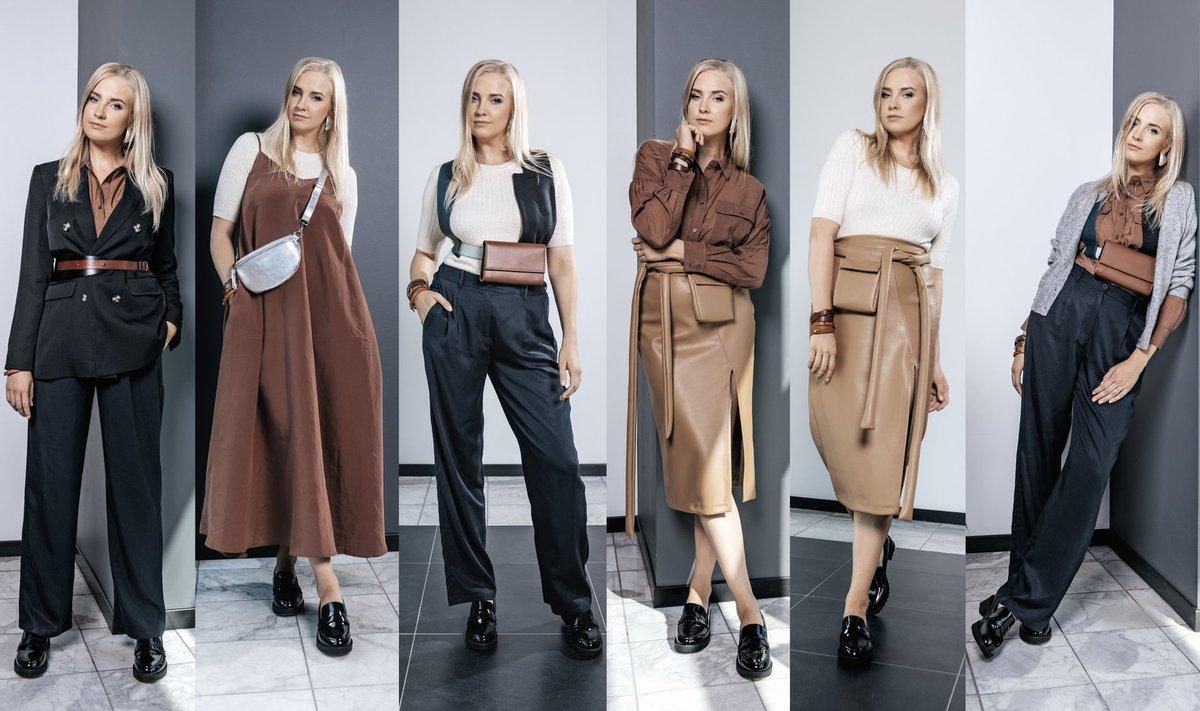
A simple kurta can look different with a contrasting dupatta, a belt, a jacket or different footwear. A formal shirt can work with trousers for the office and jeans for a casual outing.
Accessories, layering and creative combinations can refresh an outfit without requiring an entirely new purchase.
Repeating clothes is not a fashion failure. It is a way to get more value from items you already enjoy wearing.
3. Repair and care for your clothes
Small repairs can extend the useful life of many garments.
A missing button, loose seam, broken zip or minor tear does not necessarily mean that an item must be discarded. Depending on the damage, a simple repair at home or with a tailor may restore its usefulness.
Proper clothing care also matters.
Follow washing instructions, avoid unnecessarily harsh washing methods and store garments appropriately. Delicate fabrics may require special care, while some clothes can be refreshed through airing rather than frequent washing.
Repairing and maintaining garments can save money while reducing the need for replacement purchases.
4. Choose comfortable and versatile fabrics
Fabric choice affects comfort, durability, care requirements and environmental impact.
Cotton, linen and other natural fibres are popular choices for everyday wear, particularly in warm climates. However, natural fibres are not automatically more sustainable in every situation. Their impacts depend on how they are grown, processed, manufactured and maintained.
Synthetic fabrics can also have useful properties, including stretch, durability and quick drying, although washing certain synthetic garments can release microplastic fibres.
Instead of choosing solely by a material’s name, consider its quality, expected lifespan, comfort and care requirements.
In India’s climate, breathable clothing and versatile designs can make everyday dressing easier while helping you build a wardrobe suited to your routine.
5. Explore second-hand and pre-loved clothing
Second-hand shopping offers another way to find clothing without always purchasing newly manufactured items.
Pre-loved garments may include everyday basics, jackets, accessories, vintage pieces and occasion wear.
Before buying, check the item’s condition, measurements, fabric and repair requirements. Choose reputable sellers where possible, and ensure that the price reflects the garment’s quality.
Second-hand shopping is not suitable for every need, and availability varies by location. However, when it replaces an otherwise unnecessary new purchase, it can help extend a garment’s useful life.
You can also consider exchanging clothes with friends or family when everyone is comfortable doing so.
6. Support local craftsmanship and traditional clothing
India has a rich tradition of textiles, weaving, embroidery, printing and handloom craftsmanship.
Techniques such as Ajrakh printing, Ikat weaving and other regional textile traditions can offer distinctive alternatives to mass-produced designs.
Buying from responsible local producers may help support artisans and preserve traditional skills. However, it is worth checking the product’s origin, quality and the transparency of the seller rather than assuming that every item marketed as handmade is automatically sustainable.
Traditional garments can also be styled in contemporary ways. A saree can be paired with a modern blouse, a handloom kurta can be worn with tailored trousers, and a traditional jacket can complement a simple Western outfit.
Combining heritage with modern styling creates personal looks without requiring constant purchases.
7. Organise your wardrobe before shopping
A wardrobe review can help you understand what you already own and identify genuine gaps.
Start by separating frequently worn clothing from items that need repair or no longer fit your needs.
Create combinations using the pieces you already have. You may discover that a few versatile basics work with many of your existing outfits.
If you decide to donate or sell clothes, make sure the items are clean and in usable condition. Worn-out textiles may need a different recycling or disposal route, depending on what is available locally.
The purpose of organising your wardrobe is not to discard as much as possible. It is to use what you have more effectively.
How to Build a Sustainable Wardrobe on a Budget
Sustainable fashion does not have to be expensive. In fact, avoiding unnecessary shopping can help reduce spending.
Here is a practical approach:
Start with essentials: Identify the clothes you wear most often, such as comfortable trousers, everyday tops, workwear or traditional outfits.
Choose versatile colours: Select shades that combine easily with your existing wardrobe, while keeping room for colours and patterns you genuinely enjoy.
Set a shopping budget: Decide how much you can reasonably spend and avoid purchases made only because of a temporary trend.
Use tailoring and repairs: Altering a garment you already own may be more affordable than replacing it.
Plan occasion wear: Before buying an outfit for a wedding, festival or event, consider whether you can restyle, borrow or reuse something suitable.
Prioritise cost per wear: A garment’s value depends partly on how frequently you use it, how long it lasts and how well it meets your needs.
These habits make fashion more intentional without requiring you to sacrifice individuality or comfort.
Sustainable Fashion and the Role of Brands
Consumers are not solely responsible for making the fashion industry more sustainable. Brands, manufacturers and retailers also influence how clothing is produced, marketed and disposed of.
Companies can contribute by designing durable garments, improving supply-chain transparency, reducing unnecessary packaging, supporting responsible manufacturing and providing repair or resale options.
Clear information about fabric composition, manufacturing practices and product care can help consumers make better-informed choices.
At the same time, shoppers should be cautious of vague claims such as “green,” “eco-friendly” or “conscious” when they are not supported by specific evidence.
A sustainable label is not enough on its own. The quality of the product, the credibility of the claim and the garment’s actual useful life all matter.
What Does the Future of Fashion Look Like?
The future of fashion may increasingly combine personal expression with durability, reuse and more thoughtful consumption.
Second-hand marketplaces, clothing repair services, rental options and resale programmes offer ways to keep garments in use for longer. Traditional textile crafts and versatile everyday designs can also contribute to more individual and enduring wardrobes.
Technology may help brands improve material traceability and manage inventory, while consumers can use digital tools to organise outfits and plan purchases more effectively.
Nevertheless, meaningful change does not depend on following every new sustainability trend. Simple actions such as buying less, caring for clothes and wearing existing garments more often remain practical starting points.
Conclusion
Sustainable fashion in 2026 is increasingly about making thoughtful decisions rather than constantly replacing clothes.
By choosing durable garments, repeating outfits, repairing damaged items, exploring second-hand options and supporting responsible producers, people can develop a wardrobe that reflects both their personal style and their practical needs.
You do not need to own a large collection of clothes to dress well. A smaller wardrobe of comfortable, versatile pieces can offer plenty of opportunities for creativity.
Ultimately, the most sustainable wardrobe is not necessarily the one filled with expensive eco-labelled products. It is one in which the clothes you own are valued, cared for and used for as long as practical.