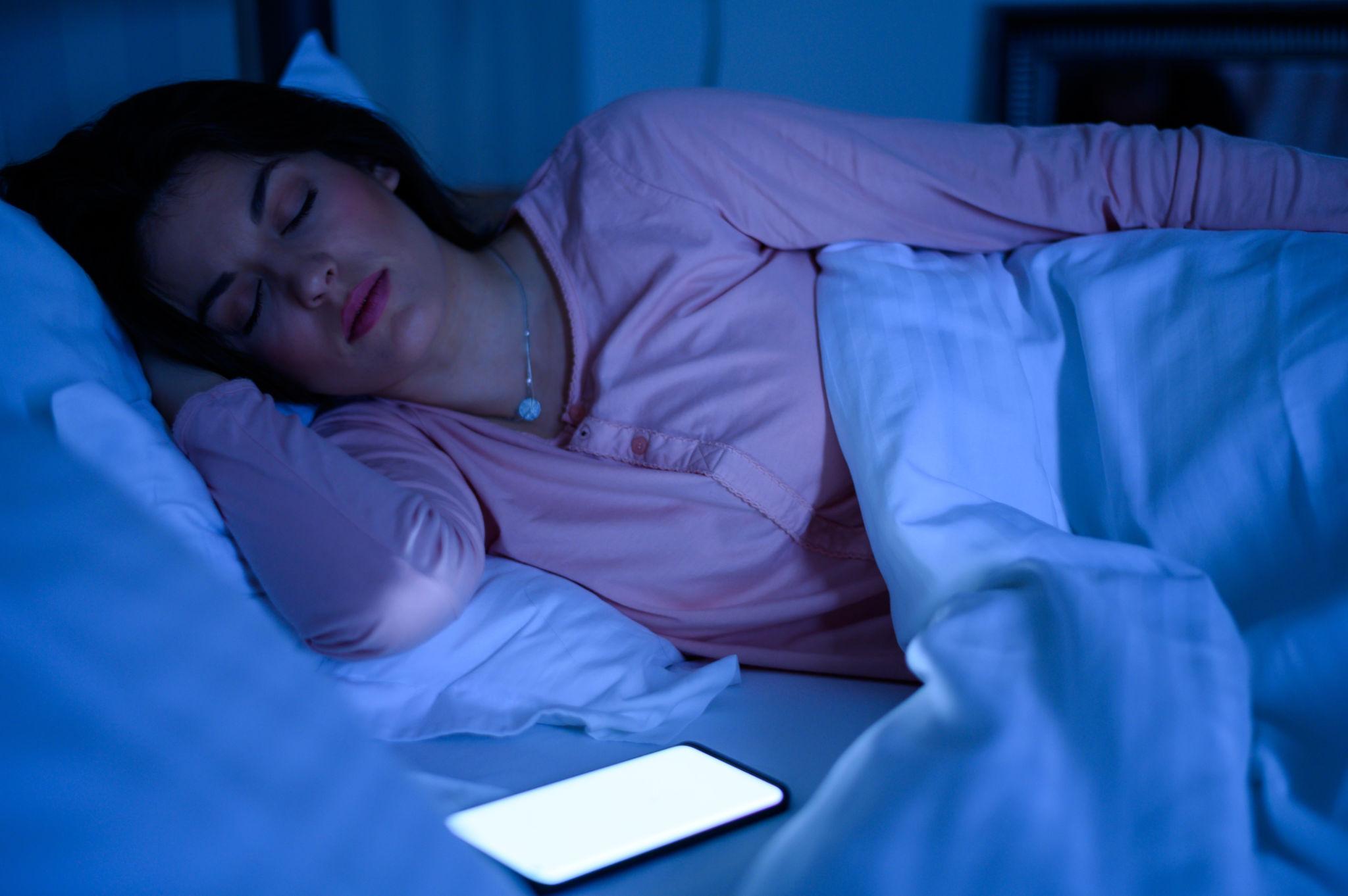
You tell yourself you’ll scroll for five minutes before bed. Suddenly, half an hour has passed, your mind is full of random information, and sleep feels further away than before.
Sound familiar? Smartphones have become an essential part of modern life, but using them late at night can affect sleep timing, mental relaxation and the quality of your bedtime routine.
What Happens to Your Brain When You Scroll at Night?
1. Your brain stays mentally active
Messages, short videos, breaking news and endless feeds constantly introduce new information. Even when your body is tired, emotionally engaging or stimulating content can make it harder to unwind.
2. Screen light can interfere with your body clock
Light exposure in the evening, particularly from bright screens, can affect the body’s natural circadian rhythm and the release of melatonin, the hormone involved in regulating sleep. The effect depends on factors such as brightness, timing and duration.
3. The “just one more video” effect
Social media platforms are designed to encourage continued engagement. Autoplay, notifications and personalised recommendations can make it easy to lose track of time, pushing bedtime later than planned.
4. Poor sleep can affect the next day
Insufficient or disrupted sleep can contribute to tiredness, difficulty concentrating, irritability and reduced productivity. Repeatedly sacrificing sleep may also affect long-term health.
The 30-Minute Digital Wind-Down Challenge

Step 1: Put your phone away
Set your device aside at least 30 minutes before bedtime to create a calmer transition to sleep.
Step 2: Replace scrolling with a relaxing activity
Try reading a book, listening to calming audio, stretching gently or writing down tomorrow’s priorities.
Step 3: Create a consistent bedtime
Go to bed and wake up at similar times each day, aiming for 7–9 hours of sleep for most adults.
Do Blue-Light Filters Solve the Problem?
Night mode and blue-light filters may reduce some short-wavelength light exposure, but they do not eliminate the effects of late-night screen use. Notifications, stimulating content and delayed bedtimes can still interfere with sleep.
Conclusion
Your phone doesn’t have to be your enemy. The key is learning when to put it down. By creating a short digital wind-down routine, you can give yourself more time to relax and build healthier sleep habits.
The takeaway: Better sleep may begin not with a new gadget, but with a simple decision to disconnect before bedtime.