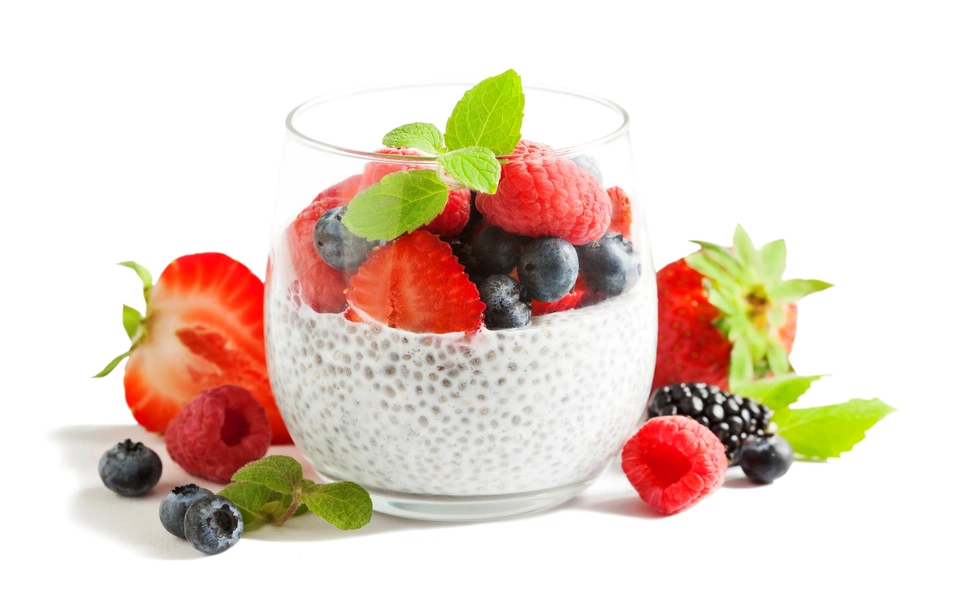
Dieticians say a soaked chia–sabja mix can aid gut health, heart function and weight management if consumed in moderation.
Why moderation matters: Both seeds swell and are high in fibre, so overconsumption can cause bloating or discomfort, and may affect those on certain medications.
Who should be careful: People with digestive disorders, low blood sugar, pregnancy, or on blood thinners should seek medical guidance before regular use.
Medical experts approve chia–sabja seed mix, urge moderation
Dr Birali Swetha from Gleneagles Aware Hospital and dietician Kanikka Malhotra agree that chia and sabja seeds can be safely combined for most people if soaked and consumed in modest amounts. The pairing offers complementary benefits: chia’s omega‑3 fatty acids and soluble fibre support heart health and satiety, while sabja’s cooling, mucilaginous properties aid digestion. Experts stress that one teaspoon of each per day is generally safe, but excessive intake can lead to bloating and discomfort.
Why this guidance matters for health‑conscious consumers
The seeds’ high fibre content and ability to swell when soaked make them potent for gut health and hydration, but also risky in large quantities. Overconsumption may trigger digestive distress, interact with blood‑thinning or blood sugar‑lowering medications, and in rare cases affect hormone levels, particularly from sabja seeds. Chia’s capacity to absorb many times its weight in water means inadequate hydration can worsen constipation, making water intake essential.

Inside the expert recommendations
Experts advise soaking the seeds overnight to maximise hydration and ease digestion, starting with small amounts to allow the gut to adapt. Adequate water intake is essential to prevent discomfort, and alternating between the two seeds on different days is an option for variety. Gradual introduction helps avoid the bloating and gas that can occur when increasing fibre too quickly, a concern noted with chia seeds in general.
From ancient remedies to modern superfoods
Chia seeds, native to Central America, and sabja seeds, rooted in Ayurvedic and Unani medicine in India, have long been valued for their health properties. Chia’s nutrient density supports cardiovascular and metabolic health, while sabja’s cooling effect and digestive soothing have cultural resonance in traditional remedies. Their modern combination reflects a fusion of historical wisdom and contemporary nutrition science in wellness trends.