Actress Katrina Kaif welcomed her son with husband Vicky Kaushal last year and the new mom has been enjoying this loving phase of her life.

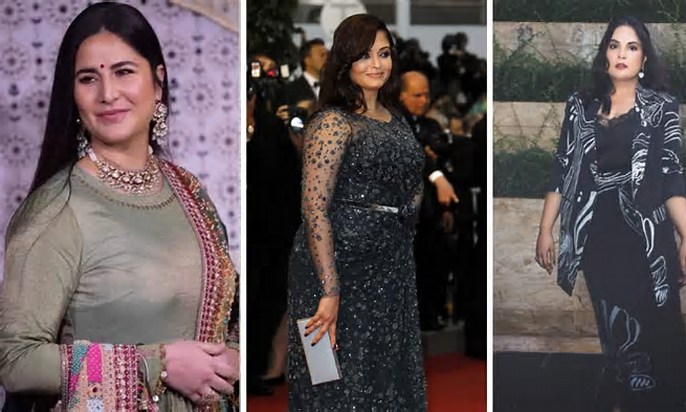
But when the actress and entrepreneur decided to step out after some months, she looked visibly different physically, which was normal for any woman post-giving birth.
But the world, which has its own ‘set’ beauty standards, was quick to troll the Dhoom actress. Katrina Kaif stepped out with her husband Vicky Kaushal for Ganesh Chaturthi celebrations at Antilia. The actress looked stunning in a pista green Anarkali.
But shortly after the actress’ videos were shared on the paparazzi pages, people took out clips and started criticizing the actress for having gained weight; many also shared her old photos from her earlier movies showing the difference in her appearance.
Now though all of us know that it is her postpartum weight, people were quick to judge and criticize. Social media users compared photographs of her before and after pregnancy, while some made cruel remarks about her body.
Katrina and Vicky welcomed their son, Vihaan, in November 2025. She is still within her first year of motherhood. Yet somehow, the internet seems to have decided that the more important question is why has she gained weight?
Why does a woman have to prove that she has “bounced back”? Why is there an urgency for a woman to get back into shape? You never know how a woman’s body reacts or is she as a mother ready to shift her focus to looking at her earlier self or take care of the baby? Taking care of a newborn itself is overwhelming and then there’s this societal pressure to fit into their ‘set beauty standards.’
And why is a woman’s body treated as if it is public property simply because she happens to be a celebrity?

A section of social media chose to focus on her weight and how different she looked compared to her pre-pregnancy appearance, rather than discussing her return to the spotlight or seeing her for the first time after becoming a mother.
But there were many in the industry who pushed back against the trolling and came out in her support. Actress Shivaleeka Oberoi, herself a new mother, called out the criticism and wrote on Instagram:
“Kya ho gaya hai, means?!?! “This is motherhood! This is what normal postpartum recovery looks like—the good, the bad, the bloating, the exhaustion and everything in between. Stop glorifying a version of motherhood that doesn’t exist,” she wrote last week on her Instagram.
Pakistani singer Ali Zafar also came out in Katrina’s support, questioning why people feel entitled to judge a woman’s body.
“Every woman has her own life. Katrina Kaif’s life is defined by her own search or struggle, her past, and her present and future. Let her live; why do you care?” he said.
Ali Zafar and Katrina Kaif had worked together in the 2011 romantic comedy film Mere Brother Ki Dulhan.
Aishwarya Rai went through this same scrutiny years ago.
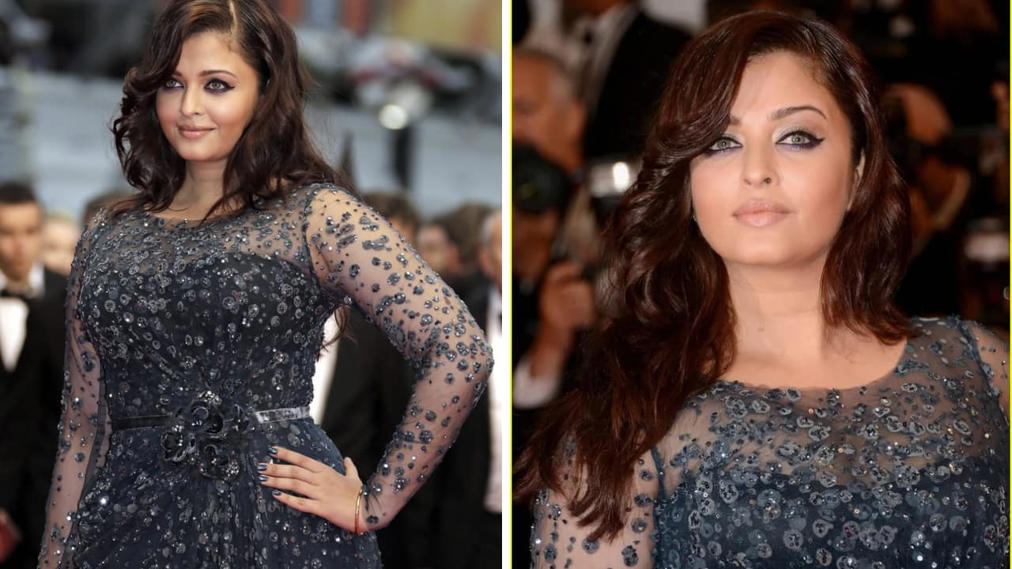
Katrina Kaif is not the only one to be fat-shamed for her post-pregnancy weight gain; Aishwarya Rai Bachchan was also called out for the same after she gave birth to her daughter, Aaradhya, in November 2011.
Former Miss World Aishwarya was subjected to relentless criticism for not losing her pregnancy weight quickly enough. Her Cannes appearance in 2012 showed her with a fuller face and body. The pictures of Aishwarya became a subject of public debate, with some critics even suggesting that she had a responsibility to return to her earlier appearance.
Aishwarya walked the Cannes red carpet instead of hiding until she achieved someone else’s definition of a ‘perfect’ post-pregnancy body. She appeared exactly as she was at that point in her life, a new mother who had not prioritized getting thin over everything else.
Years later, speaking to Sir David Frost, Aishwarya addressed the criticism directly. Her response remains relevant even today: “I was comfortable and that’s why I’ve been who I’ve been. If I had thought it was a big deal, I would have gone into hiding or taken action. She also said, ‘I’ve never dieted. Never.’
Aishwarya did not allow anyone to decide when she should lose that weight and carries eveything with grace even today.
But the pressure has stayed the same over the years; even we as mothers have been pointed out by our elders and relatives about weight gain and not looking a certain way.
What is particularly frustrating is that more than a decade later, we are having the same conversation about Katrina.
The names may change. The social media platforms may change. The photographs may change. But the expectation remains the same: a woman should give birth but quickly look her old younger self.
No single version of motherhood
Some women lose weight quickly. Some don’t. Some want to exercise immediately. Some don’t. Some breastfeed, some don’t. Some return to work within months, while others take years. None of these choices should determine whether a woman deserves to be called beautiful, disciplined or successful.
Richa Chadha has also spoken about the pressure in the past
Actress Richa Chadha, who is a mother to a young girl, has spoken about how women in the film industry are judged for their bodies. She has spoken about the pressure to live up to unrealistic physical expectations and how she herself has battled with that pressure.
After welcoming daughter Zuneyra in 2024, Richa spoke about resuming workouts. “Getting back to workouts is not just about losing weight or getting fit; it’s about rebuilding my strength, stamina and overall well-being,” she said.
Richa Chadha has also spoken extensively about body-shaming and the pressure placed on women in the film industry. Even before becoming a mother, she had spoken about the damaging expectations surrounding women’s bodies and revealed how deeply such comments affected her. In a 2016 interview, she said, “I crumbled under the pressure.”
She also described eating disorders as “the best-kept secret in the film industry” and spoke about the importance of women learning to accept themselves rather than constantly trying to meet popular perceptions.
As mothers, women are already expected to do so much. We are expected to raise children well, manage homes, continue careers, look after families and somehow maintain ourselves as if nothing has changed. Additionally, on top of all these expectations, we face judgment. If you gain weight, somebody has an opinion. If you lose weight too quickly, somebody has an opinion. So perhaps mothers should stop trying to satisfy everybody.