India is stepping up efforts to eliminate mercury-containing medical thermometers and blood pressure monitors from healthcare services by 2030.

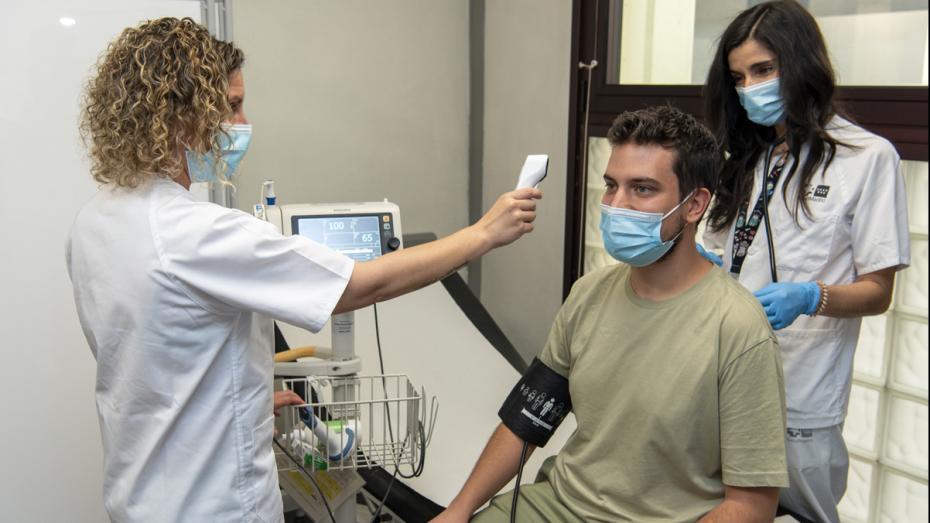
In a news release dated October 22, 2026, the World Health Organization (WHO) reported that the country is strengthening its transition towards mercury-free healthcare, with a focus on replacing equipment and improving the safe management of mercury waste.
The initiative highlights an important connection between public health and environmental protection: medical equipment must not only help diagnose and treat patients but also be handled in ways that protect healthcare workers, communities, and the environment.
Why Is Mercury a Concern in Healthcare?
Mercury is a naturally occurring chemical element that can be harmful to human health when people are exposed to it in dangerous amounts or forms.
Historically, mercury was used in devices such as traditional clinical thermometers and certain blood pressure monitors because its physical properties made it useful for measuring temperature and pressure.
However, mercury can pose health and environmental risks when devices break, leak, or are disposed of improperly. Once released, mercury can contaminate the surrounding environment and enter ecosystems, where some forms can accumulate in the food chain.
Exposure to mercury can affect the nervous system and kidneys, among other organs. The level of risk depends on the form of mercury, the amount of exposure, and its duration.
The goal is therefore not simply to replace old medical equipment but also to ensure that mercury already present in healthcare facilities is managed safely.
What Is India Planning to Achieve by 2030?
According to the WHO’s October 22 announcement, India is accelerating its efforts to phase out mercury-containing medical thermometers and blood pressure monitors from healthcare services by 2030.
The programme includes several important measures:
- Replacing older devices: Healthcare facilities need access to reliable alternatives, including suitable digital thermometers and non-mercury blood pressure monitors.
- Improving waste management: Existing mercury-containing devices must be collected, stored, transported, and disposed of safely.
- Training healthcare officials: Staff need appropriate guidance to handle equipment and waste without unnecessary exposure.
- Strengthening coordination: Health and environmental authorities must work together to ensure the transition is implemented effectively.
The WHO reported that 14 states had completed inventories and assessments of mercury-based devices, while 12 states had issued phase-out orders. It also identified several states and territories that had eliminated the use of these devices in public health services.


Why Is This Initiative Important for Patients?
Medical equipment plays a vital role in diagnosing and monitoring illnesses. Thermometers help measure body temperature, while blood pressure monitors help healthcare professionals assess cardiovascular health.
Replacing mercury-containing devices must therefore be done carefully. New equipment needs to be accurate, reliable, properly maintained, and suitable for the clinical setting in which it is used.
For patients, the transition can support safer healthcare environments when accompanied by appropriate equipment standards, staff training, and effective waste management.
Hospitals and clinics must also ensure that replacing older equipment does not interrupt essential medical services or reduce access to reliable diagnostic tools.
How Can Improper Disposal Affect the Environment?
A broken thermometer or discarded medical device may appear insignificant, but improper disposal of mercury-containing equipment can create avoidable environmental risks.
Mercury released into the environment can persist and move through soil and water systems. Under certain conditions, microorganisms can convert it into methylmercury, a form that can accumulate in aquatic food chains.
People may then be exposed through contaminated fish and other food sources.
This is why mercury management requires more than simply removing old devices from hospitals. Safe collection, appropriate storage, trained handling, and authorised disposal are all important parts of the process.
Healthcare facilities should follow applicable hazardous-waste procedures rather than placing mercury-containing devices in ordinary waste bins.
What Role Do Healthcare Workers and Hospitals Play?
Hospitals, clinics, laboratories, and public health institutions are essential to making mercury-free healthcare a reality.
Healthcare workers can help by identifying older mercury-containing equipment, following established procedures when devices break, and ensuring that waste is handled by trained personnel.
Hospital administrators can support the transition by planning equipment purchases, arranging staff training, maintaining accurate inventories, and establishing suitable disposal systems.
Manufacturers and suppliers also have a role in providing safe, reliable alternatives that meet appropriate medical standards.
The WHO’s recent announcement emphasised the importance of collaboration among government agencies, healthcare facilities, industry, and development partners to achieve the transition.
What Can the General Public Do?
Although this initiative primarily concerns healthcare systems, individuals can also take sensible precautions.
- Choose reliable medical thermometers and blood pressure monitors appropriate to your needs.
- Follow the manufacturer’s instructions when using and maintaining medical devices.
- Do not deliberately break or dismantle older mercury-containing equipment.
- If a mercury-containing device breaks, keep people away from the affected area and follow local public health or hazardous-waste guidance. Do not vacuum or sweep up spilled mercury.
- Contact the appropriate local authority or hazardous-waste service for instructions on safe disposal.
People should also remember that replacing a device does not automatically guarantee accurate readings. Proper use, maintenance, and calibration where applicable remain important.
A Step Towards Safer and More Sustainable Healthcare
India’s effort to eliminate mercury-containing medical devices demonstrates how healthcare policies can address both patient safety and environmental responsibility.
The transition will require investment, reliable alternatives, trained personnel, and effective systems for managing existing waste. Progress will depend on ensuring that healthcare facilities can implement these changes without compromising the quality or accessibility of patient care.
Conclusion
The move towards mercury-free healthcare is an important step in building safer and more sustainable medical services. By replacing hazardous equipment responsibly and strengthening waste-management practices, India can help reduce avoidable mercury exposure and protect the environment.
The larger lesson is that modern healthcare should focus not only on treating diseases but also on preventing harm throughout the healthcare system.