Nuts like almonds, walnuts, and cashews support cardiovascular function, reduce bad cholesterol, and enhance memory and cognitive performance.

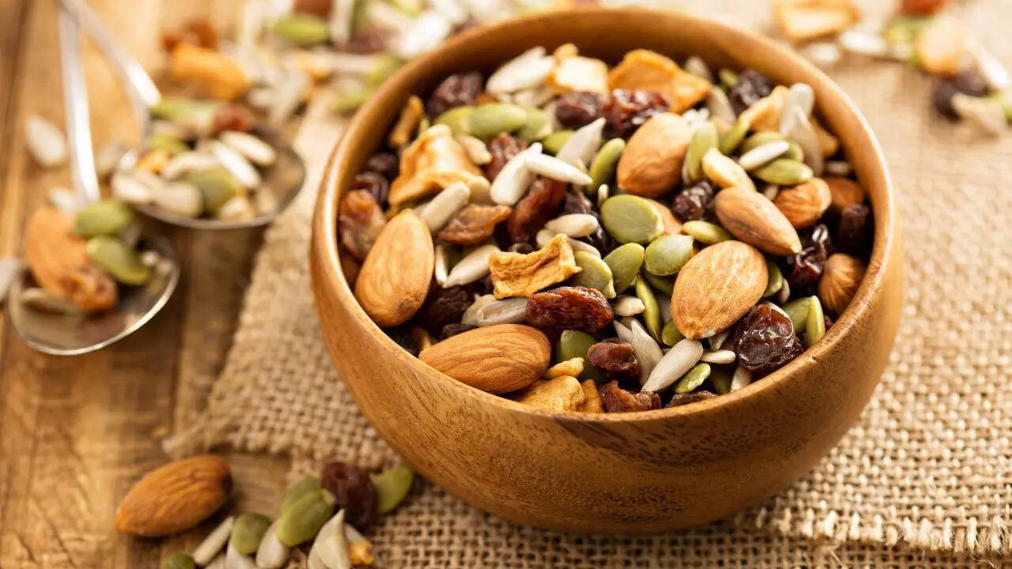
Maintaining a healthy diet goes beyond simply choosing nutritious foods. Portion control is key, especially for calorie-dense foods like dry fruits. Nuts such as almonds, walnuts, cashews, and pistachios are rich in healthy fats, protein, vitamins, and minerals, making them highly beneficial for heart health, brain function, and bone strength. Including them regularly in balanced amounts can also help regulate cholesterol levels and support healthy skin and hair.
While these nutrients are essential for overall well-being, dry fruits are also energy-dense. Overeating can quickly lead to weight gain, while consuming too little may limit your intake of critical nutrients that support metabolism, immunity, and cognitive function. By understanding the recommended portion sizes, you can enjoy the benefits of dry fruits, sustained energy, improved digestion, and enhanced nutrient intake without exceeding your daily caloric needs.
Why you should consume dry fruits daily and why it is important
Dry fruits are nutrient-dense powerhouses that provide concentrated energy and essential nutrients in a small serving. They are rich in healthy fats, high-quality protein, vitamins, minerals, and antioxidants, all of which play a crucial role in maintaining overall health.
- Heart health: The healthy fats in almonds, walnuts, and cashews help reduce bad cholesterol (LDL) and support cardiovascular function, lowering the risk of heart disease.
- Brain function: Nutrients like vitamin E, omega-3 fatty acids, and antioxidants improve memory, focus, and cognitive performance.
- Bone and muscle support: Magnesium, calcium, and protein in dry fruits strengthen bones and aid muscle repair.
- Energy and metabolism: Dry fruits provide sustained energy, help stabilise blood sugar levels, and reduce cravings for unhealthy snacks.
- Immunity and anti-ageing: Vitamins, minerals, and antioxidants in dry fruits combat oxidative stress, enhance immunity, and promote healthy skin.
Including a small portion of dry fruits daily is important because it supports multiple body systems, enhances well-being, and helps prevent chronic health issues.

How much dry fruit should you eat daily for optimal health
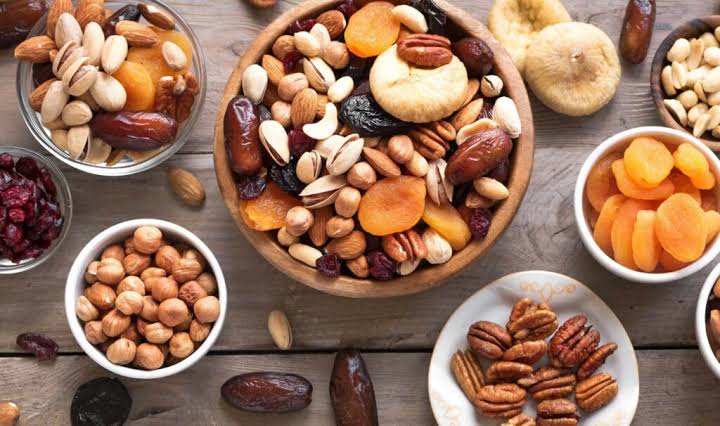
For healthy adults, the general guideline for dry fruit consumption is 20–30 grams per day, roughly equivalent to a small handful. This portion is sufficient to provide essential fats, protein, and minerals, contributing to overall health without overloading your body with calories.
Dry fruits can be eaten as snacks, salad toppings, or blended into smoothies, making it easy to incorporate them into your daily diet in a balanced way. According to an Instagram post, nutritionist Leena Mahajan (#leenamahajan) revealed the exact portion size of almonds and walnuts one should eat in a day.
How to customise daily dry fruit portions based on health conditions
Multiple studies prove that dry fruits are the ultimate powerhouse for overall health, but a standard portion size is suitable for most healthy adults. Individuals with certain health conditions may need to adjust their intake.
- High blood pressure: Avoid salted nuts, which can increase sodium intake and elevate blood pressure.
- Diabetes: Monitor the sugar content in dried fruits, as excessive sugar can cause blood glucose spikes.
- Kidney issues: Limit high-potassium nuts like almonds or cashews, which can strain kidney function.
Customising your portions ensures you gain maximum nutritional benefits while reducing the risk of negative health impacts.
Disclaimer: This content provides general information about dry fruit consumption and portion sizes for healthy adults. It is not a substitute for professional medical advice. Individuals with specific health conditions such as diabetes, hypertension, kidney disease, or allergies should consult a qualified nutritionist or doctor before making changes to their diet.