Fermented foods have become increasingly popular among people interested in gut health, nutrition and fitness.


Foods such as curd, yoghurt and other traditionally fermented products contain microorganisms or compounds that may support digestive health.
Recent health reporting has highlighted growing scientific interest in the connection between gut health and muscle function. Researchers are exploring how gut bacteria, inflammation and metabolism may influence the body’s ability to maintain healthy muscles. However, the evidence that fermented foods directly increase muscle mass or strength remains limited.
What Is the Gut-Muscle Connection?
The gut and muscles may influence one another through several biological processes, including nutrient absorption, inflammation, energy metabolism and signals produced by gut microorganisms.
A healthy digestive system helps the body absorb nutrients needed for muscle repair and normal functioning. Researchers are investigating whether changes in the gut microbiome may also affect physical performance and muscle recovery.
Although this area of research is promising, the relationship is complex. Eating a particular fermented food alone cannot guarantee stronger muscles.
Which Fermented Foods Can You Include in Your Diet?
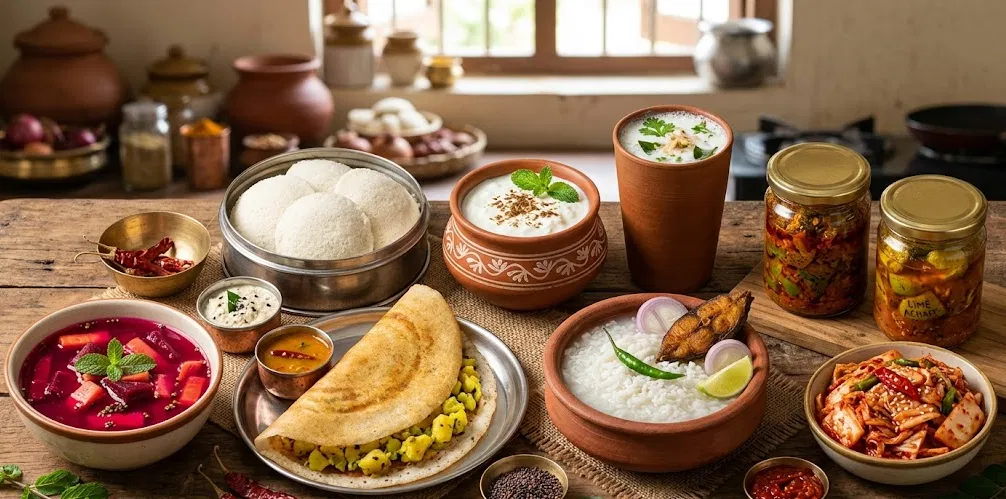
1. Curd: A familiar Indian food that provides protein and calcium. Some varieties contain live cultures.
2. Yoghurt: Depending on the product, yoghurt can provide protein and beneficial live microorganisms.
3. Idli and dosa: These fermented foods can be part of a balanced diet, especially when paired with protein-rich accompaniments such as sambar.
4. Fermented vegetables: Foods such as fermented cabbage may provide different microorganisms, depending on how they are prepared and stored.
Choose hygienically prepared foods, and remember that not every fermented product contains live cultures at the time of consumption.

What Really Helps Build Muscle?
If your goal is to improve muscle strength or fitness, focus on these evidence-based habits:
- Eat enough protein: Include dal, beans, dairy, soy, eggs or other suitable protein sources.
- Strength train regularly: Use a progressive exercise routine appropriate for your fitness level.
- Sleep adequately: Consistent, sufficient sleep supports recovery.
- Maintain balanced nutrition: Consume enough calories, carbohydrates, healthy fats, vitamins and minerals.
- Stay consistent: Muscle development takes time; no single food can replace a well-planned routine.
Fermented foods can complement these habits, but they are not a substitute for protein intake or resistance training.
Are Fermented Foods Suitable for Everyone?
Many people can enjoy fermented foods as part of a balanced diet. However, tolerance varies. Some products may cause digestive discomfort in sensitive individuals, and people with specific dietary restrictions should select suitable alternatives.
If you have persistent digestive symptoms or a medical condition affecting your diet, consult a qualified healthcare professional.
Conclusion
The gut-muscle connection is an evolving area of scientific research, and fermented foods are one part of the wider conversation about nutrition and wellbeing. Including suitable fermented foods in a varied diet may support digestive health, but building stronger muscles still depends on adequate nutrition, regular exercise and recovery.