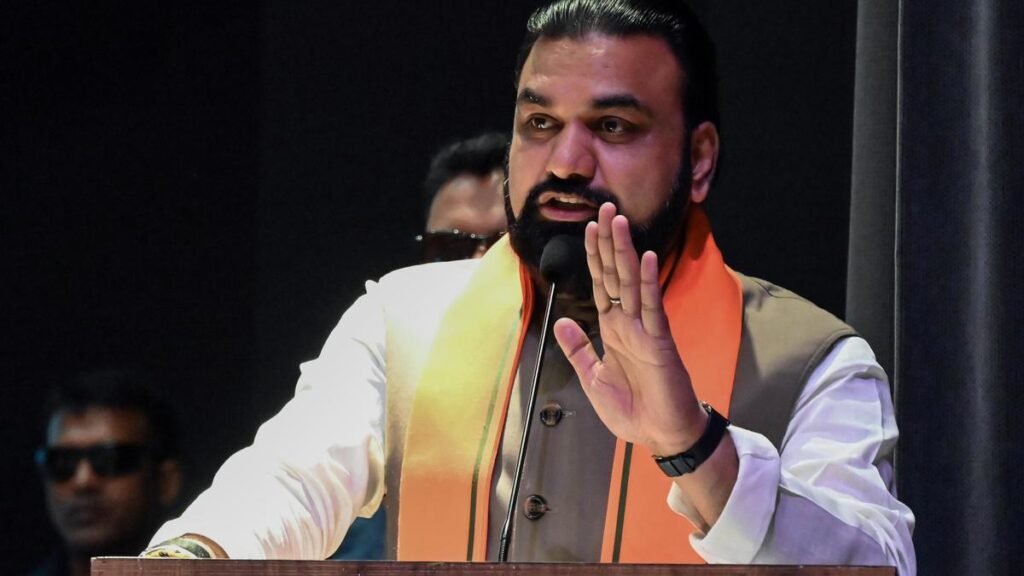
The Bihar government has launched a statewide health-screening campaign with the objective of reaching around 6 crore people by November 30. Chief Minister Samrat Choudhary launched the initiative in Patna on September 2, describing it as an effort to take screening and treatment services closer to people’s homes.
The campaign, titled “Screening and Treatment – Healthcare at Your Doorstep”, is being implemented across all 38 districts of Bihar. Awareness vehicles have also been dispatched across the state to spread information about health screening and disease prevention.

What Is the Objective of the Campaign?
The primary objective is to identify diseases at an early stage so that people can receive medical advice and treatment before health conditions become more serious.
The programme particularly focuses on people aged 30 years and above. Healthcare teams are expected to reach villages, panchayats and households to conduct preliminary health examinations.
The government also plans to create digital health records for the people screened. These records are intended to help healthcare providers maintain information about illnesses and treatment histories for future care.
Which Diseases Will Be Screened?
The campaign focuses on several common and serious health conditions, including:
- Diabetes
- Hypertension
- Common cancers
- Heart diseases
- Respiratory and lung-related diseases
- Fatty liver disease
- Tuberculosis (TB)
People identified with health problems can be provided medicines, medical advice, treatment or referrals to higher-level healthcare facilities depending on their condition.
Healthcare at the Doorstep
One of the key features of the campaign is its emphasis on bringing preliminary screening closer to communities.
Healthcare workers are expected to visit households and local communities rather than requiring every person to travel to a hospital for initial screening. Patients requiring further treatment can then be directed to facilities ranging from Ayushman Arogya Mandirs to district hospitals.
This approach is intended to support earlier identification of health conditions, particularly among people who may not regularly visit healthcare facilities.


Digital Health Records
The campaign also includes an important digital component.
According to reports, Bihar intends to maintain digital records containing information about individuals’ illnesses and treatment histories. The state has also discussed linking these records with ABHA IDs, which could help maintain health information over time.
Digital records can potentially make it easier for healthcare providers to access relevant medical information when patients require treatment or follow-up care.
Campaign to Continue Until November 30
The statewide campaign is scheduled to continue until November 30. It covers all 38 districts and involves awareness activities alongside screening and treatment services.
The government has asked people to participate in the programme and has particularly encouraged families to ensure that members aged 30 and above undergo health screening.
Focus on Strengthening District Hospitals
The health initiative comes alongside efforts to expand treatment capacity at district-level healthcare facilities.
The Bihar government has said that district and sub-divisional hospitals have increased the range of surgeries they can perform, with facilities that previously handled 36 types of surgeries now equipped for 45 types, according to the reported statement.
The government has also launched Mission Kayakalp, aimed at improving and strengthening health institutions across the state.
Why Early Screening Matters
Many conditions such as hypertension and diabetes may not produce noticeable symptoms during their early stages. Regular screening can help identify such conditions earlier and allow individuals to seek appropriate medical care.
A large-scale screening programme can also help health authorities understand the distribution of common diseases and plan healthcare services accordingly.
However, the effectiveness of such a programme depends on factors including the quality of screening, accurate record-keeping, availability of medicines and diagnostic facilities, and appropriate follow-up treatment.
Conclusion
Bihar’s statewide health campaign sets an ambitious target of screening around 6 crore people by November 30. With healthcare teams reaching communities and households, the initiative aims to improve early detection and connect people with treatment when necessary.
The planned creation of digital health records adds another dimension to the programme, potentially helping healthcare providers maintain information beyond the initial screening. The coming months will show how effectively the campaign reaches its target and translates screening into sustained treatment and follow-up care.