From instant noodles and packaged snacks to sugary beverages and frequent food delivery, convenience has become a major part of modern eating habits.

Introduction
While these options can save time, relying on them too often may leave less room for the variety of nutrients that our bodies need.
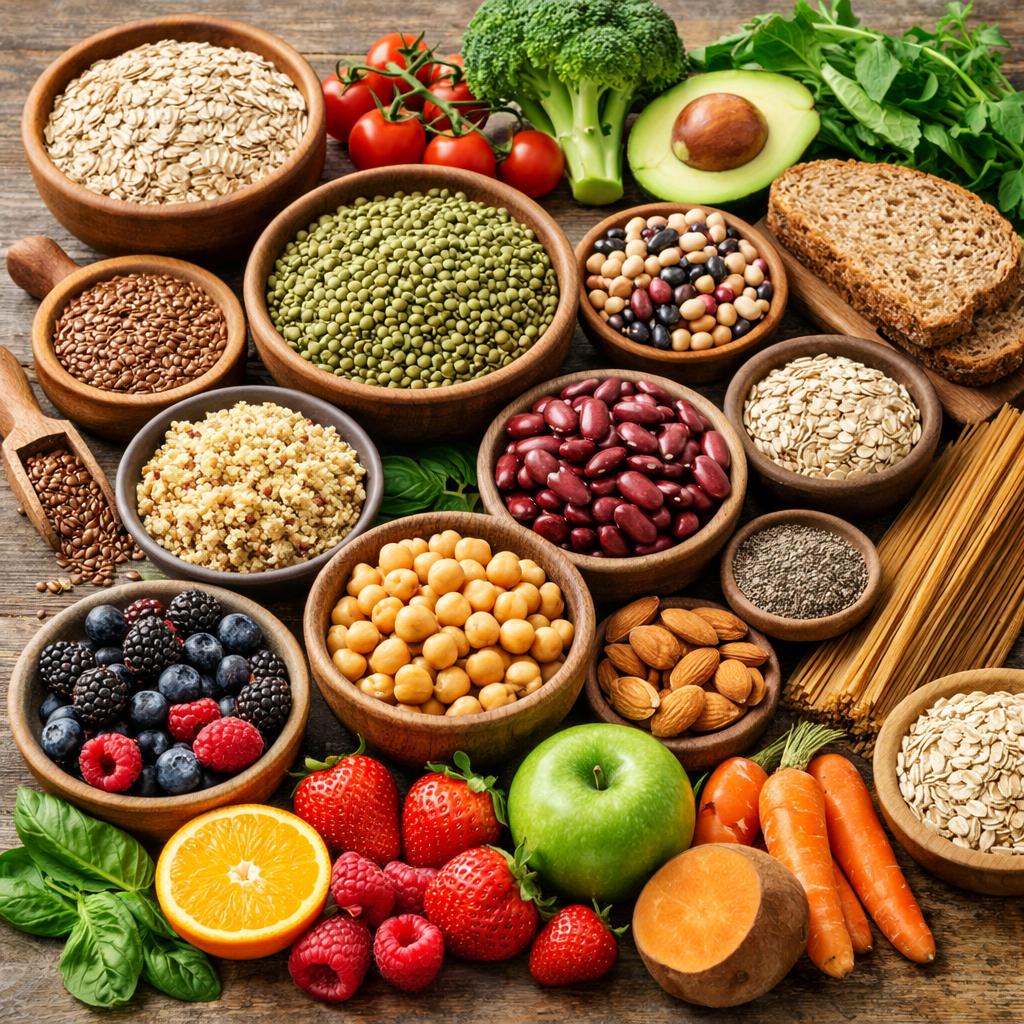
A growing interest in food quality is encouraging people to reconsider everyday choices. Instead of chasing expensive superfoods or following restrictive diet trends, many are returning to familiar ingredients such as seasonal vegetables, fruits, pulses, whole grains, nuts, and home-cooked meals.
This shift is not about giving up convenience entirely. It is about finding a practical balance between enjoying food and nourishing the body.
What Does Eating Real Food Mean?
The phrase “real food” generally refers to foods that are minimally processed or prepared using simple ingredients. Examples include fresh vegetables, fruit, lentils, beans, oats, eggs, plain curd, and whole grains.
Not all processed foods are unhealthy. Frozen vegetables, pasteurized milk, canned beans, and plain whole-grain bread can be useful parts of a balanced diet. The greater concern is frequent consumption of products that contain excessive added sugar, sodium, or unhealthy fats and offer limited nutritional variety.
The World Health Organization emphasizes dietary variety, balance, moderation, and adequacy as the foundations of healthy eating.
Why Are People Rethinking Packaged Foods?
Convenience foods are widely available and often heavily marketed. They can be useful when time is limited, but products such as sugary drinks, confectionery, and certain packaged snacks may contain substantial amounts of sugar, salt, or unhealthy fats.
In January 2026, Harvard Health Publishing published practical guidance on reducing ultra-processed foods. The advice focused on manageable substitutions rather than making an immediate, complete change to one’s diet.
This approach is particularly relevant to busy students, working professionals, and families who want to improve their food habits without spending hours in the kitchen.

The Benefits of Including More Whole Foods
1. Better Nutritional Variety
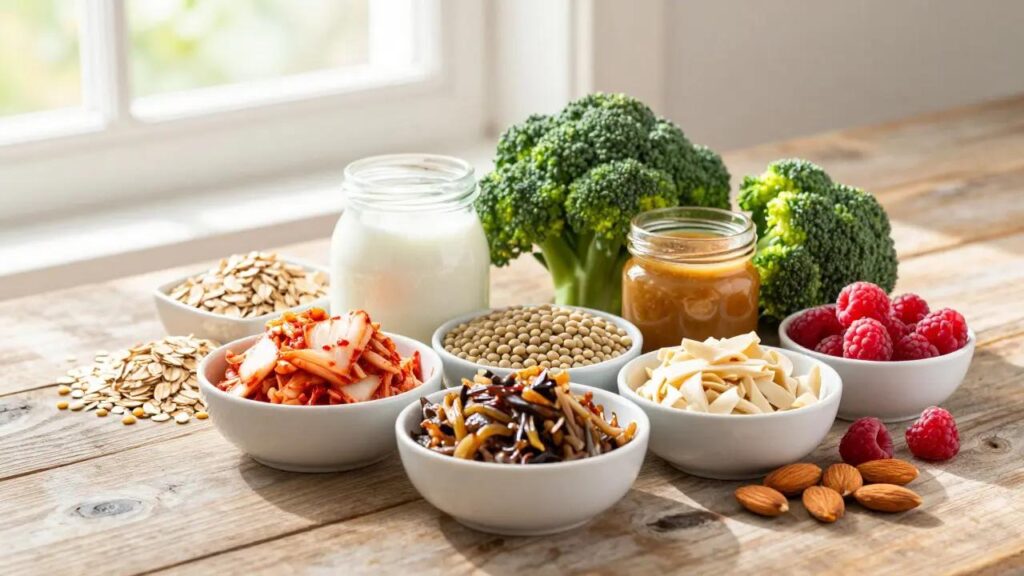
Fruits, vegetables, pulses, and whole grains provide different vitamins, minerals, and dietary fibre. Eating a variety of these foods helps people obtain a broader range of essential nutrients.
For example, adding seasonal vegetables to lunch and including fruit as a snack can increase variety without requiring an expensive diet plan.
2. More Opportunities to Include Protein
Protein is important for muscle maintenance, tissue repair, and normal body functions. Everyday options include dal, chickpeas, rajma, soybeans, paneer, curd, eggs, fish, and lean meat.
Combining these foods with grains and vegetables can make meals more satisfying and nutritionally balanced.
3. Greater Control Over Ingredients
Preparing meals at home allows you to adjust the amount of salt, sugar, oil, and seasoning used. It also makes it easier to include ingredients that suit your preferences and nutritional requirements.
Simple meals such as vegetable poha, dal-chawal, roti with sabzi, or homemade vegetable pulao can be convenient alternatives to frequent takeaway meals.
4. More Practical Food Budgeting
Eating well does not have to mean purchasing imported berries, speciality powders, or costly health products. Seasonal produce, locally available grains, and pulses are often practical choices.
Planning meals around ingredients already available in your kitchen can also reduce unnecessary purchases and food waste.
How to Reduce Ultra-Processed Foods Without Giving Up Your Favourite Meals
Changing your eating habits is easier when you make small substitutions rather than trying to change everything at once.
Start with breakfast: Replace a sugary breakfast cereal with oats, vegetable poha, besan chilla, or another balanced option you enjoy.
Improve your snacks: Keep fruit, roasted chana, unsalted nuts, or plain curd available when convenient. Packaged snacks can still fit occasionally into an otherwise balanced routine.
Make simple swaps: Choose water more often instead of sugary beverages. Try homemade sandwiches, vegetable wraps, or dal-based meals when they suit your schedule.
Plan before shopping: Prepare a basic shopping list containing vegetables, fruit, pulses, grains, and protein sources. This makes it easier to prepare meals without depending entirely on last-minute orders.
Read food labels: Check serving sizes and the amounts of added sugar, sodium, and saturated fat. Remember that a product’s processing level alone does not determine whether it is nutritious.
A Simple Day of Balanced Eating
A flexible daily routine might include vegetable poha with curd for breakfast, fruit as a snack, dal with rice or roti and sabzi for lunch, roasted chana or another preferred snack in the afternoon, and a dinner of roti, vegetables, and paneer or another protein source.
These are examples, not a universal meal prescription. Portions and food choices should reflect personal hunger, activity, dietary preferences, budget, and health needs.
Conclusion
The movement toward simpler, home-cooked food reflects an important lifestyle lesson: eating well does not require perfection, expensive ingredients, or restrictive rules. It begins with everyday decisions, from adding vegetables to a meal to preparing a quick breakfast at home.
By choosing a wider variety of nutritious foods and reducing frequent reliance on products high in added sugar, salt, and unhealthy fats, people can build a more balanced eating routine. The best approach is one that is enjoyable, affordable, culturally familiar, and sustainable over time.