A first step towards a universal vaccine against pneumonia, meningitis
A first step towards a universal vaccine against pneumonia, meningitis. Scientists are looking for a universal pneumococcal vaccine that can target all the hundred or so forms of Streptococcus pneumonia bacteria, and prevent some undesirable outcomes created by existing vaccines that also keep the threat of pneumonia, meningitis, and other pneumococcal diseases alive in the population.

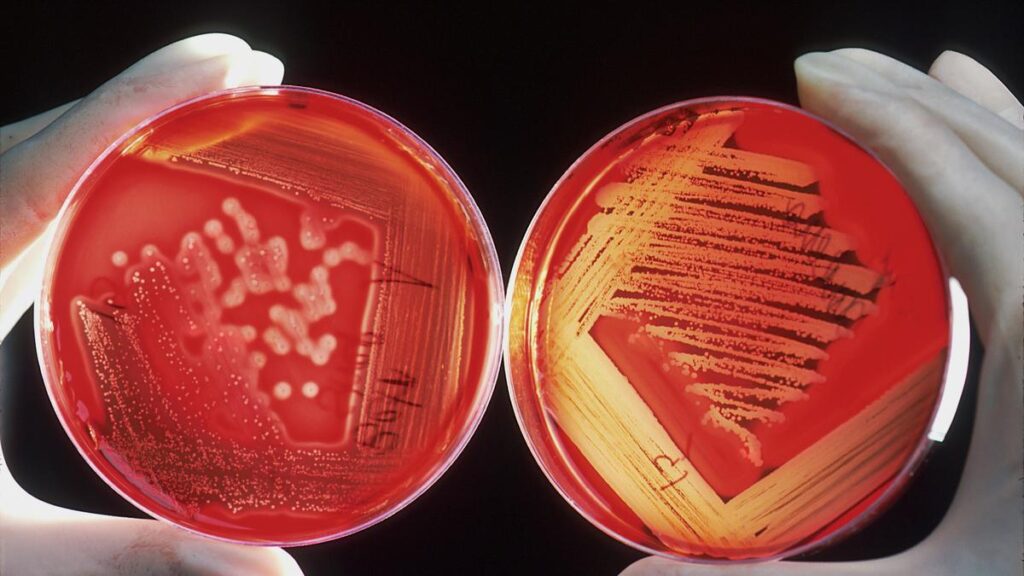
A first step towards a universal vaccine against pneumonia, meningitis. There is a bacterium called Streptococcus pneumoniae. It comes in at least a hundred different forms, or serotypes, and lives in the tissue lining our nose and throat. S. pneumoniae is normally harmless. But when your body’s immune system becomes weaker, for example when you have a viral fever, these bacteria may invade your lungs and cause pneumonia, your brain and spinal cord to cause meningitis, and your bloodstream to cause sepsis.
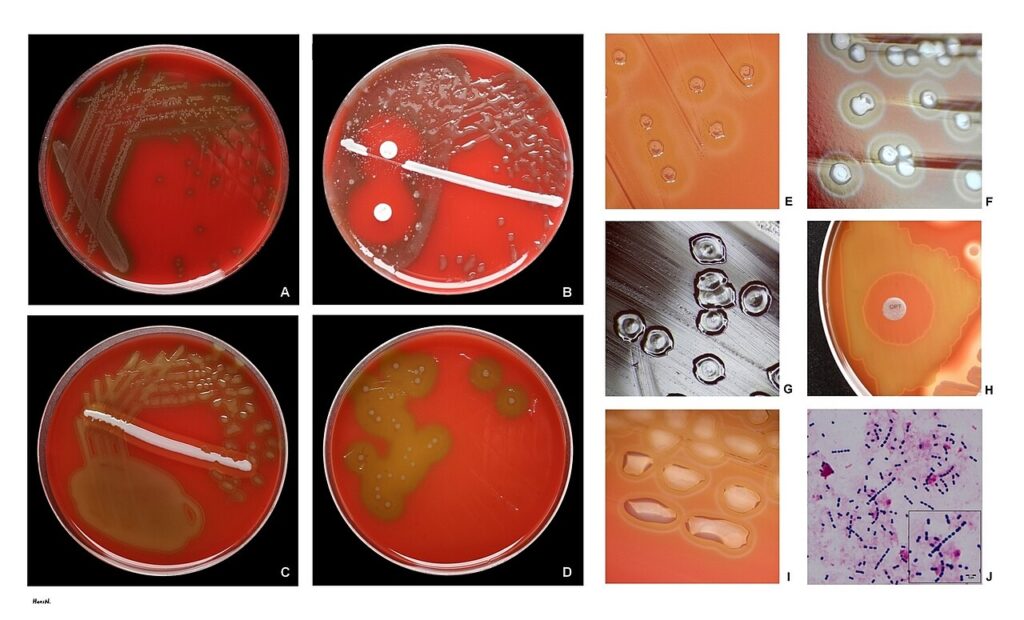
These diseases are called pneumococcal diseases, and fortunately, they can be prevented by vaccines. Each of these vaccines contains a unique sugary substance called a capsular polysaccharide, aimed at each serotype of S. pneumoniae. That is, they offer protection specific to each serotype.

Sugary shot
Recently, a team of British scientists reported an important first step in this direction. They did two things: first, they switched the polysaccharide with proteins and, second, they adopted an approach called reverse vaccinology.
Basically, two kinds of pneumococcal vaccines are available today. One is a mix of purified capsular polysaccharides from multiple serotypes. Pneumovax 23 is an example. It does not work well in infants and offers short-lived protection.
To help boost the effects as well as the durability of the immune response, scientists have linked the polysaccharides to a carrier protein. Such vaccines are known as pneumococcal conjugate vaccines (PCVs). Typical examples include PCV10 and PCV14; the numerals denote the number of serotypes included.
There is a bacterium called Streptococcus pneumoniae. It comes in at least a hundred different forms, or serotypes, and lives in the tissue lining our nose and throat. S. pneumoniae is normally harmless. But when your body’s immune system becomes weaker, for example when you have a viral fever, these bacteria may invade your lungs and cause pneumonia, your brain and spinal cord to cause meningitis, and your bloodstream to cause sepsis.
These diseases are called pneumococcal diseases, and fortunately, they can be prevented by vaccines. Each of these vaccines contains a unique sugary substance called a capsular polysaccharide, aimed at each serotype of S. pneumoniae. That is, they offer protection specific to each serotype.